
Trees
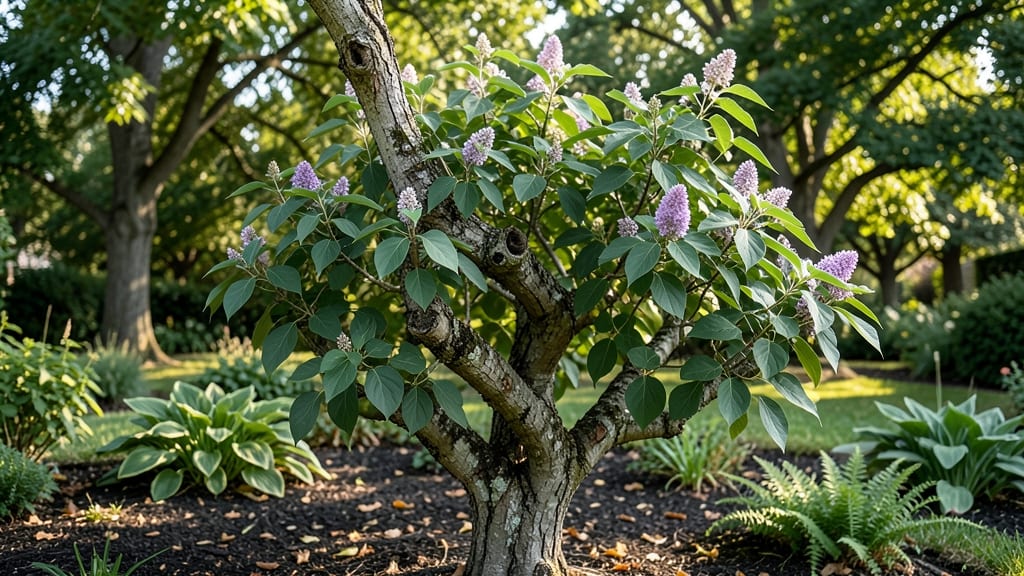
Your lilac tree’s bark might be peeling or cracking from fungus—and it’s fixable without copper. 🌿 I’ve nursed back two infected lilacs using a simple, three-step method that stops the spread and restores that classic lilac charm. The key is acting fast before the fungus moves deeper into the wood.
Fungal infections like anthracnose or powdery mildew thrive when lilacs are stressed—too much rain, poor airflow, or last year’s dead leaves left piled up. You’ll spot dark spots, raised cankers, or bark that splits like old parchment.
The good news? These problems rarely kill mature lilacs if you treat them early.
By the end of these steps, your tree’s bark will look healthy again—no more unsightly cracks or oozing sap. The best part? You’ll prevent future outbreaks with just a few seasonal checks. Let’s get your lilac back to its fragrant, disease-free glory.
This works for both old and young lilacs, whether you’re dealing with powdery mildew or deeper bark rot. No harsh chemicals needed—just targeted care that keeps your tree thriving for years. Ready to revive it?
The Hidden Triggers Behind Bark Fungus
When your lilac tree’s bark starts showing signs of fungus—whether it’s discolored patches, oozing sap, or strange cankers—it’s rarely a random attack. These issues stem from specific environmental and biological factors that create the perfect storm for fungal growth.
Understanding why this happens is the first step to stopping it before it spreads. Let’s break down the key culprits and their science-backed explanations.
Fungi thrive in damp, humid conditions, and lilac trees are especially vulnerable when their bark stays wet for extended periods. Here’s why moisture is a major trigger:
- Prolonged wetness: Bark absorbs water like a sponge, creating an ideal breeding ground for fungal spores. Rain, overhead irrigation, or even morning dew can keep bark damp for days.
- Compacted soil: If the soil around your lilac tree doesn’t drain well (e.g., clay-heavy or poorly amended), water pools at the base, raising humidity levels near the trunk and branches.
- Fungal spores in water: Rainwater can splash spores from infected leaves or fallen debris directly onto the bark, kickstarting an infection.
Actionable fix: Improve drainage by amending soil with compost or sand, and avoid watering the bark directly. Use drip irrigation or soaker hoses instead.
A lilac tree’s bark is its first line of defense, but stress—whether from drought, poor nutrition, or physical damage—weakens it, making fungi easier to invade. Here’s how it happens:
- Nutrient deficiencies: Lack of nitrogen, phosphorus, or micronutrients (like boron or zinc) slows bark cell regeneration, leaving gaps for fungal hyphae to penetrate.
- Physical wounds: Cuts from pruning, animal scratches, or storm damage create entry points. Fungi like Valsa (a common lilac bark pathogen) exploit these openings to colonize.
- Drought stress: While drought itself may seem counterintuitive, it weakens the tree’s vascular system, making it harder to fight off infections once moisture returns.
Actionable fix: Test soil pH and fertility, and fertilize in early spring with a balanced formula. Prune only during dry periods to minimize wound exposure.
Fungal spores don’t work alone—they hitchhike on debris, neighboring plants, or even insects. Here’s how proximity fuels the problem:
- Leaf litter and mulch: Fallen leaves or thick mulch piles near the base trap moisture and harbor spores. Fungi like Botryosphaeria (a bark canker culprit) can lie dormant in organic matter for years.
- Infected neighboring trees: If other trees (especially roses, apples, or cherries) in your yard have fungal diseases, spores can drift to your lilac via wind or splashing water.
- Insect vectors: Bark beetles or borers create tunnels that introduce fungi deep into the tree. Their frass (sawdust-like waste) also traps moisture.
Actionable fix: Clear fallen leaves and mulch 2–3 feet from the trunk, and inspect nearby trees for signs of disease. Use systemic fungicides or beneficial nematodes to control insect pests.
Fungi love moderate temperatures but can’t survive extreme heat or cold—until the conditions shift. Here’s the cycle:
- Cool, wet springs: Ideal for spore germination. Many lilac bark fungi (e.g., Cytospora) activate when soil temps hover around 50–60°F (10–15°C).
- Sudden heat waves: While high temps kill spores, they also stress the tree, making it more susceptible to reinfection when cooler, wetter weather returns.
Actionable fix: Monitor local weather forecasts and apply preventive fungicides (like neem oil) before predicted rain-cool spells. Mulch with straw to moderate soil temp swings.
Pruning is essential for lilac health, but doing it wrong can invite fungi. Here’s how:
- Wrong timing: Pruning in fall or early spring (when fungi are active) leaves fresh cuts vulnerable. Always prune during dry, dormant periods (late winter).
- Dirty tools: Pruners contaminated with fungal spores can transfer pathogens directly to healthy bark. Even a small nick can become a gateway.
- Over-pruning: Removing too many branches stresses the tree, reducing its ability to heal wounds and fight infections.
Actionable fix: Sterilize pruners with rubbing alcohol between cuts, and avoid heavy pruning unless necessary. Seal large cuts with pruning sealant (though research shows this is controversial—focus on proper timing instead).
Revive Your Lilac Tree Naturally
Fungal infections and bark damage on lilac trees can feel overwhelming, but with the right approach, your tree can bounce back—without harsh chemicals. Below are practical, step-by-step solutions tailored to common causes, from early-stage prevention to severe cases.
Each fix is designed to be easy to implement and gentle on your tree (and the planet!).
---
If you spot small dark spots, powdery residue, or minor bark cracks, your lilac tree is likely in the early stages of fungal stress. Address these issues before they spread:
#### 🍄 Fungal Spots or Powdery Mildew? Cause: Excess moisture, poor airflow, or weak tree defenses. Fix: - Prune for airflow 🌬️: Thin out dense branches to let sunlight and air circulate.
Focus on inner growth where humidity lingers. - Apply a baking soda spray 🧼: Mix 1 tsp baking soda + 1 tbsp vegetable oil + 1 tsp mild soap per gallon of water.
Spray every 7–10 days until symptoms fade. - Water at the base only 💧: Avoid overhead watering, which spreads spores. Use a soaker hose or drip irrigation to keep foliage dry.
Prevention Tip: 💡 Space your lilacs 3–5 feet apart to reduce humidity buys between plants.
---
Cause: Physical injury, extreme weather, or fungal invasion (like canker disease). Fix: - Clean the wounds 🧹: Use a sterilized pruning saw or knife to remove dead or flaky bark down to healthy tissue. Disinfect tools with 70% rubbing alcohol between cuts. - Seal with pruning sealant 🛡️: Apply a copper-free, organic sealant (like Tanglefoot Tree Wound Pruning Sealer) to prevent fungal entry. Skip petroleum-based sealants—they trap moisture! - Mulch properly 🌿: Spread 2–3 inches of organic mulch (wood chips or straw) 3 inches away from the trunk to protect roots and retain moisture without suffocating the tree.
Pro Tip: ✨ Test the bark—press a healthy area. If it springs back, it’s alive. If it stays indented, it’s dead and should be removed.
---
If your lilac shows large cankers, oozing sap, or widespread defoliation, it needs aggressive but targeted care:
#### 1️⃣ Remove Infected Branches ⚔️ - Cut 6 inches below the damaged area (not just the visible spot—fungus spreads underground). - Bag and dispose of infected branches off-site (don’t compost them!).
#### 2️⃣ Boost Tree Immunity 💪 - Fertilize with compost 🌱: Work aged compost or worm castings into the soil around the root zone.
Avoid synthetic fertilizers—they stress the tree. - Feed with liquid kelp 🌊: Mix 1 tbsp liquid kelp fertilizer per gallon of water and water the base monthly. Kelp strengthens cell walls against fungi.
#### 3️⃣ Apply a Fungicide (Copper-Free!) 🛡️ - Neem oil spray 🌿: Combine 1 tbsp neem oil + 1 tsp soap per quart of water.
Spray every 2 weeks until new growth appears. - Beneficial bacteria 🦠: Use Serenade Garden Disease Control (contains Bacillus subtilis), a USDA-approved organic fungicide.
Warning: ❌ Avoid copper sprays—they can harm soil and nearby plants over time.
---
Once your lilac recovers, lock in its health with these habits: - Prune in late winter/early spring ⏰ (before buds swell) to remove weak growth before fungal spores wake up. - Inspect annually 👀: Check for early signs (like tiny black dots on leaves) in May and September. - Encourage beneficial insects 🐞: Ladybugs and lacewings eat fungal spores.
Plant marigolds or dill nearby to attract them. - Avoid overwatering 💦: Lilacs prefer dry feet. Water deeply 1–2 times per week (adjust for rain).
--- Final Thought: 🎯 A little prevention + quick action can save your lilac from fungal takeover. Start with one fix (like pruning or neem oil) this week—your tree will thank you with vibrant blooms next spring!
Frequently asked questions
What are the most common types of fungus affecting lilac tree bark?
Lilacs typically battle anthracnose (dark sunken spots), powdery mildew (white powdery residue), or canker diseases (oozing bark lesions). These fungi thrive in damp conditions and often start as small discolorations before spreading. Early identification is key—check for raised, cracked bark or unusual sap flow.
Can I use household items to treat lilac bark fungus?
Yes! A baking soda spray (1 tsp baking soda + 1 tbsp oil + 1 tsp soap per gallon of water) works well for mild cases. For deeper infections, try neem oil (1 tbsp per quart of water) or hydrogen peroxide (1 part 3% peroxide to 10 parts water) as a natural fungicide. Always test on a small area first.
How do I know if my lilac’s bark damage is from fungus or just weather?
Fungal damage often shows as dark, raised cankers or peeling bark with oozing sap, while weather-related cracks appear dry and sunken without discoloration. Press the bark—if it stays indented (not springy), it’s likely dead tissue from fungus or severe cold. Check for spores or powdery residue too.
Will pruning help stop bark fungus from spreading?
Prune only during dry weather (late winter) and sterilize tools between cuts to prevent spreading spores. Remove infected branches 6 inches below the damage, and dispose of them off-site. Thin dense growth to improve airflow—fungi love humid, crowded spaces.
How long does it take to see improvement after treating lilac bark fungus?
Mild cases may show improvement in 2–4 weeks with consistent care, while severe infections can take 3–6 months to fully heal. Monitor progress monthly and reapply treatments (like neem oil) every 2 weeks until new growth appears. Patience is key—don’t expect overnight results.