
Pruning
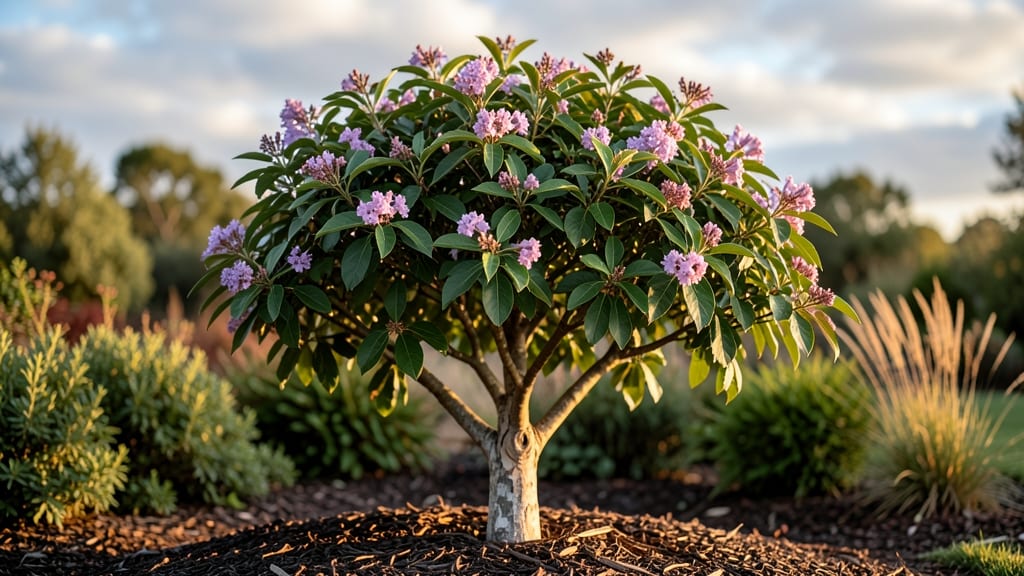
The term lila tree in English actually refers to the lilac tree (Syringa vulgaris), a beloved garden shrub known for its fragrant spring blossoms and striking purple hues. Its name traces back through French (lilas) to Hebrew (lulav), reflecting fascinating botanical history.
When you hear "lila tree," you're essentially talking about the same plant gardeners adore as lilacs. 🌸 These deciduous shrubs thrive in temperate climates and produce clusters of fragrant flowers that attract pollinators while adding vibrant color to landscapes.
What's interesting is how the name evolved - the Hebrew connection to lulav (palm fronds) comes from early botanists linking the tree's shape to ceremonial objects. The French lilas then became our English "lilac," though some still confuse it with the unrelated lily flower.
Lilacs aren't just pretty faces - they're hardy plants that can live for decades with proper care. They prefer full sun and well-drained soil, and their pruning needs are surprisingly simple once you understand their growth patterns.
The key is timing: prune right after flowering to encourage next year's blooms, never in late summer when new growth forms. Many gardeners swear by their ability to bring back nostalgic memories, making them a sentimental favorite in many yards.
💡 In This Article
- Botanical Origins and Etymology of the Lilac Tree
- Growing and Caring for Lilac Trees in Gardens
Botanical origins and etymology of the lilac tree
The lilac tree's scientific name, Syringa vulgaris, comes from the Greek word syrinx, which refers to the mythical Pan's pipes—a set of reeds that nymphs transformed into to escape his advances.
This connection reflects the tree's hollow stems, which resemble the ancient musical instrument. 🌿 The genus Syringa includes over 25 species, but Syringa vulgaris is by far the most popular, accounting for 90% of commercial lilac plantings worldwide due to its hardiness and fragrance.
The linguistic journey from Hebrew to English is equally fascinating. The Hebrew word lulav (לולב), meaning "palm frond," was mistakenly applied to lilacs by early botanists who confused their leafy branches with ceremonial palm fronds.
This error persisted through medieval Latin texts, where it became lilium (lily), though the plant was never a true lily. The French lilas emerged in the 16th century, directly influencing our English "lilac" by the 18th century. Even today, some gardeners confuse lilacs with lilies due to this historical mix-up.
The tree's fragrant flowers contain volatile oils that create their signature scent, with compounds like linalool and eugenol dominating the aroma.
These same compounds are found in lavender and cloves, explaining why lilacs smell so sweet and complex. 🌸 The flowers' color ranges from pale lavender to deep purple, with some rare cultivars producing white or pink blooms—all variations of the same species.
This genetic diversity is why lilacs have been cultivated for over 200 years in European gardens.
Interestingly, the name "lilac" wasn't widely used in English until the 19th century, when Queen Victoria's gardens popularized the plant. Before that, it was often called "syringa" or "French lilac." The confusion with lilies persists in some languages—Spanish still calls it lirio (lily)—though botanists have long corrected the classification.
Today, the term "lila tree" in English is a regional variation, more common in Eastern Europe and parts of the U.S., where older naming traditions linger.
What makes the lilac's etymology particularly rich is how it bridges mythology, religion, and botany. The tree's hollow stems were once used as pipes, its flowers symbolized purity in Christian iconography, and its name evolved through trade routes and colonial exchanges.
This layered history explains why lilacs hold such sentimental value in gardens worldwide.
For gardeners, understanding this background matters because it reveals why lilacs thrive in specific conditions. Their hardy nature stems from centuries of adaptation across Europe, where they grew wild in forests before being cultivated.
The syrinx connection also explains their preference for well-drained soil—mimicking the rocky, slightly acidic environments where Pan's mythical pipes might have been found. 💫