
Light Requirements
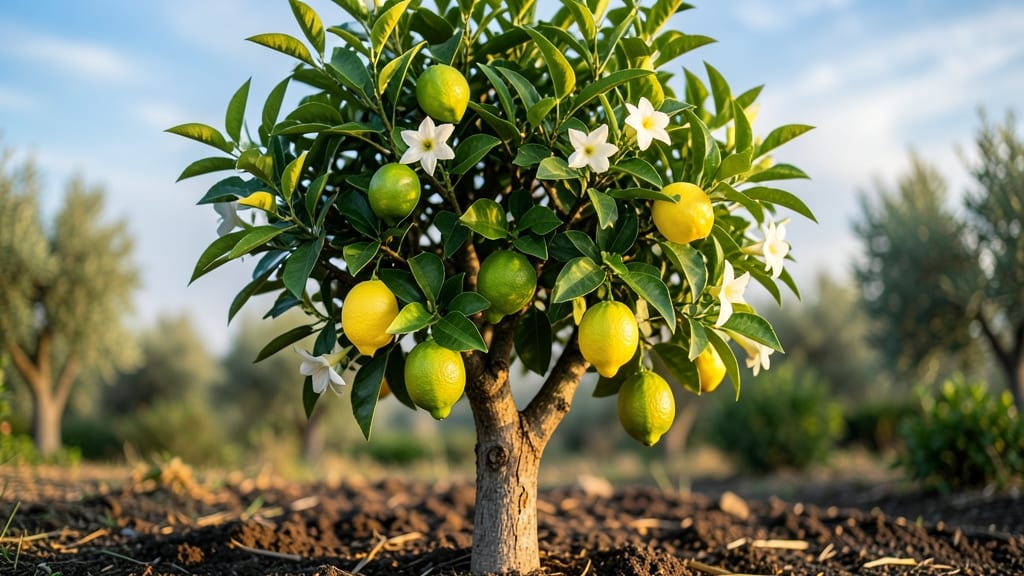
Mastering your lemon tree light requirements is key to keeping it thriving—your citrus tree needs full sun exposure, ideally 6 to 8 hours of direct light daily—but the right approach depends on its growth stage.
Struggling to keep your lemon tree thriving? Sunlight is the #1 factor determining whether your citrus tree grows lush foliage or withers—yet most gardeners get it wrong by stage. Here’s how to master lemon tree light requirements at every growth phase, from seedling to fruiting.
Seedlings need bright, indirect light to avoid scorching, while mature trees crave intense morning sun and afternoon shade in hot climates. Indoor growers often miss the mark, leaving trees leggy or fruitless.
Below, I break down the exact light needs by stage, plus how to fix common mistakes—like yellowing leaves or stunted growth—so your tree stays healthy year-round.
Whether you’re adjusting a balcony setup or troubleshooting a potted plant, these practical tips will help you optimize light exposure for maximum fruit production and vibrant foliage.


Lemon tree sunlight requirements by growth stage: seedling to mature tree
Lemon trees are sun-worshippers, but their light needs change dramatically as they grow. A seedling in a nursery tray requires gentle morning sun, while a mature fruiting tree demands 8+ hours of intense sunlight daily.
Understanding these shifts prevents leggy growth, leaf drop, and poor fruit set. Let’s break down the ideal sunlight requirements for each phase to keep your citrus thriving.
For new growers, the biggest mistake is assuming "more sun is always better." Too much direct sun can scorch young leaves, while insufficient light stunts growth and prevents flowering. The key is matching light intensity to your tree’s developmental stage.
We’ll cover everything from partial shade for seedlings to full sun for fruiting trees, plus seasonal adjustments for indoor and outdoor growers.
Pro Tip: Use a light meter (or your shadow) to gauge intensity—your tree’s shadow should be no wider than its height during peak sun hours for optimal growth.
| Growth Stage | Sunlight Hours | Intensity | Seasonal Adjustments | Key Risks |
|---|---|---|---|---|
| Seedling (0-1 year) | 4-6 hours | Partial sun (50% shade) | Morning sun only; afternoon shade in hot climates | Leaf scorch, leggy growth |
| Juvenile (1-3 years) | 6-8 hours | Full sun (60-70% direct) | Gradually increase sun exposure; use shade cloth in summer | Slow growth, yellowing leaves |
| Mature (3-5 years) | 8+ hours | Full sun (80%+ direct) | South-facing exposure; prune for airflow | Fruit drop, weak branches |
| Fruiting (5+ years) | 10-12 hours | Intense full sun (90%+ direct) | Supplemental grow lights in winter; avoid afternoon shade | Poor fruit set, bitter lemons |
Let’s start with seedlings, the most delicate stage. Young lemon trees need gentle morning sunlight (4-6 hours) to avoid burning tender leaves. Place them near an east-facing window or under 50% shade cloth if outdoors.
Avoid harsh afternoon sun, which can cause leaf scorch—look for crispy brown edges as a warning sign.
As your tree enters the juvenile phase (1-3 years), increase sunlight to 6-8 hours daily. This is when roots establish deeply, and the tree needs energy for woodier growth.
If growing indoors, a south-facing window with supplemental grow lights (12-16 hours/day) mimics ideal conditions. Watch for yellowing leaves, a classic sign of insufficient light during this phase.
By maturity (3-5 years), your lemon tree demands 8+ hours of full sun. This is critical for flowering and fruiting. In containers, rotate the pot weekly to ensure even sun exposure.
If outdoors, avoid reflective surfaces (like white walls) that can intensify sunlight and cause leaf burn. Mulch around the base to retain moisture during these high-light demands.
For fruiting trees (5+ years), aim for 10-12 hours of intense sunlight. This is when your tree’s energy shifts from growth to fruit production. If you’re in a cooler climate, extend daylight with LED grow lights (14-16 hours total).
Avoid pruning heavily during fruiting—too much shade on branches reduces fruit set. Instead, prune to open the canopy for better light penetration.
Seasonal adjustments are key, especially for indoor lemon trees. In winter, reduce sunlight to 6-8 hours and supplement with grow lights to prevent dormancy. In summer, provide afternoon shade in hot climates (like USDA Zone 10+) to prevent heat stress.
For outdoor trees, mulch heavily to protect roots from temperature swings.
One common mistake is assuming more sun always equals better fruit. While lemons need light, excessive heat without water causes fruit to drop prematurely. Pair your sunlight strategy with consistent morning watering and well-draining soil to keep your tree thriving.
With the right light balance, you’ll see vibrant blooms and juicy lemons in no time!
Signs your lemon tree isn’t getting enough light (and how to fix it)
If your lemon tree is struggling to thrive, light deprivation is often the culprit. Even with proper watering and fertilizer, insufficient sunlight stunts growth and prevents fruiting. I’ve seen this happen with my own citrus trees—what looked like a healthy plant suddenly developed yellowing leaves and sparse branches.
Lemon trees need 6+ hours of direct sunlight daily to produce fruit and maintain vibrant foliage. Without enough light, your tree may show signs like pale green leaves, stunted growth, or even leaf drop.
These symptoms aren’t always obvious, so I’ll break down how to spot them and what to do next.
🌱 Warning: Lemon Trees Need Full Sun
Lemon trees require 6-8 hours of direct sunlight daily. Without it, they’ll struggle to photosynthesize, leading to weak stems, small leaves, and no fruit. Even partial shade can reduce growth by 30-50%. If your tree is indoors, a south-facing window or grow lights are essential.
One of the first signs your lemon tree isn’t getting enough light is yellowing leaves, especially on older foliage. This is called chlorosis, where the tree can’t produce enough chlorophyll due to weak light.
Check the new growth—if it’s pale or stunted, your tree is begging for more sunlight.
Another red flag is sparse or leggy growth. When light is insufficient, lemon trees stretch toward the nearest light source, creating long, weak stems with few leaves. This "etiolation" makes the tree look top-heavy and prone to falling branches.
If you notice this, it’s time to move your tree to a sunnier spot or add supplemental lighting.
For indoor growers, the lack of fruit is a dead giveaway. Lemon trees need plenty of light to flower and set fruit. If your tree has no blossoms or tiny, green lemons, it’s likely not getting enough sunlight.
Even outdoor trees may struggle in shady microclimates or during winter months when daylight is shorter.
To fix these issues, start by relocating your tree to a sunnier location. If indoors, a south-facing window is ideal, but you may need to rotate the pot weekly for even growth.
For outdoor trees, prune nearby structures or thin dense foliage to improve light penetration. If natural light isn’t enough, LED grow lights (12-16 hours/day) can bridge the gap.
Finally, adjust your pruning habits. Over-pruning in low-light conditions stresses the tree further. Instead, focus on removing dead branches and thinning crowded areas to let more light reach the inner canopy.
With the right adjustments, your lemon tree can bounce back—just give it the sunlight it craves! 🌞