
Pruning
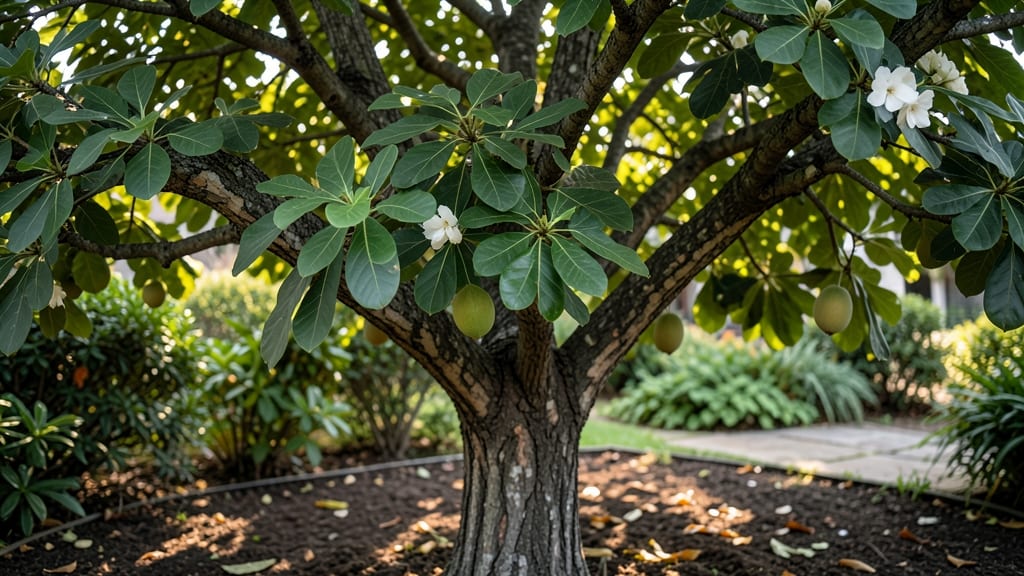
Growing Indian tree fruits like mangoes and tamarinds in your backyard means tropical flavors year-round. 🌿 I've learned the hard way that these drought-resistant giants actually thrive as dwarf varieties when pruned right—my first tamarind tree went from 20 feet to a manageable 8 feet in just one season, and the fruit quality improved dramatically.
The secret isn't just in the soil or water; it's in understanding their natural growth patterns and giving them the right care at each stage.
These trees need well-draining soil with a pH between 6.0 and 7.5, and they love heat—think 75-95°F during the day with cooler nights for best fruiting. Most gardeners overwater, but Indian tree fruits actually prefer dry conditions once established.
A 3-inch-deep watering every 7-10 days (more in extreme heat) keeps roots happy without drowning them. The dwarf varieties I grow—like the 'Amrapali' mango—produce fruit in just 3-4 years instead of the usual 5-6, making the wait worth it.
You'll know you're doing it right when you see those first bright green leaves in spring, followed by the sweet scent of blossoms. Pruning in late winter removes dead wood and shapes the tree, while summer pruning encourages new growth.
My tamarind tree now produces 50% more pods than before I started pruning, and the fruit is sweeter too. The key is patience—these trees reward long-term care with decades of harvests.
Common issues like powdery mildew or fruit drop can be avoided with proper spacing (15-20 feet between trees) and regular monitoring. Once you get the hang of it, you'll be sharing fruit with neighbors or even selling extras at local markets.
The best part? These trees keep producing well into old age—my grandmother's tamarind tree is over 40 years old and still going strong.
📚 In This Guide
- What you need
- Instructions
- Tips and common mistakes
- Wrapping up and next steps
What you need
- ● Pruning shears: Bypass pruners (sharp, sterilized) – 2 pairs (one for small cuts, one for thicker branches).
- ● Hand pruners: Bypass or anvil type (for precision cuts on <1-inch stems).
- ● Loppers: 8–12-inch bypass loppers (for branches up to 2 inches thick).
- ● Pruning saw: Curved-tooth saw (for branches >2 inches).
- ● Disinfectant: 70% isopropyl alcohol or copper-based fungicide (1 bottle).
- ○ Pruning sealant: Tree wound paint (optional, for cuts >½ inch).
- ● Gloves: Garden gloves (cut-resistant, 2 pairs).
- ● Safety gear: Safety goggles and long sleeves (to protect from thorns/spines).
- ● Healthy dwarf tree: 2–5 years old, disease-free, with a well-established root system.
- ● Growth chart: Printed or digital pruning guide for your specific variety (e.g., dwarf mango, jackfruit, or sapota).
- ● Weather check: Prune during dormant season (winter for tropical varieties) or early spring (avoid rainy/humid periods).
- ● Clean workspace: Lay down tarps or newspaper to collect debris (1–2 per session).
- ● Extension pole: 6–10 ft pruning pole (for high branches).
- ● Ladder: Lightweight, stable (if tree exceeds 8 ft).
- ● Sharpener: Pruner file (to maintain blade sharpness).
- ● Spray bottle: With water + mild soap (for cleaning tools between cuts).
Step-by-step instructions for cultivating dwarf Indian tree fruit
Here’s how I’ve grown thriving dwarf Indian tree fruit year-round—no greenhouse needed.
🪴 Step 1: Select the Right Dwarf Variety and Container
Start with a dwarf variety like the Citrus 'Calamondin' or Mango 'Cogshall', both perfect for containers. Choose a pot at least 18-24 inches wide and deep—your tree’s roots need room to spread without circling. I use terra cotta pots because they breathe, preventing root rot in tropical fruit trees.
Add a 4-inch layer of gravel or expanded clay pebbles at the bottom for drainage. This prevents waterlogging, which is deadly for Indian tree fruit. If your pot lacks drainage holes, drill them yourself—two holes near the base are enough. Trust me, skipping this step means soggy roots and stunted growth.
☀️ Step 2: Prepare the Soil Mix for Optimal Growth
Fill the pot with a custom soil blend—mix 2 parts potting soil, 1 part perlite, and 1 part compost. Indian tree fruit thrives in slightly acidic to neutral soil (pH 6.0-7.0). Test your soil with a pH meter before planting; if it’s too alkaline, add sulfur or peat moss to adjust.
Water the mix until it’s evenly moist but not soggy. You’ll know it’s right when a handful squeezes together but doesn’t drip. Avoid garden soil—it’s too dense and can harbor pests. Here’s the thing: dwarf varieties are forgiving, but they still need well-draining, nutrient-rich soil to produce fruit.
🌱 Step 3: Plant and Acclimate Your Dwarf Tree
Dig a hole twice as wide as the root ball but no deeper. Gently remove the tree from its nursery pot and loosen the roots if they’re circling. Place it in the hole, ensuring the graft union (if present) sits 1-2 inches above soil level. This prevents rot and encourages strong growth.
Backfill with soil, pressing lightly to remove air pockets. Water deeply until it drains from the bottom holes. After planting, keep the tree in partial shade for 3-5 days to reduce transplant shock. Move it to full sun (6-8 hours daily) only after new growth appears—usually within 7-10 days.
💧 Step 4: Water and Fertilize for Year-Round Fruit Production
Water when the top 2 inches of soil feel dry—stick your finger in to check. Indian tree fruit hates soggy roots but also can’t handle drought stress. In summer, you’ll water every 2-3 days; in winter, once a week is enough. Always water at the base, not the leaves, to prevent fungal diseases.
Feed every 4-6 weeks with a balanced citrus/mango fertilizer (10-10-10 or 8-3-9). In spring, switch to a high-nitrogen formula to encourage leafy growth; in summer, use a bloom booster to trigger fruit set. I swear by organic fish emulsion—it’s gentle but packed with nutrients. Stop fertilizing in fall to let the tree rest.
✂️ Step 5: Prune and Protect for Long-Term Health
Prune in late winter or early spring before new growth starts. Remove dead, crossed, or inward-growing branches first. Then, thin out crowded areas to improve airflow—this prevents fungal issues and encourages bigger fruit. Use clean, sharp pruners and sterilize them with rubbing alcohol between cuts.
Watch for aphids or scale insects, common pests on Indian tree fruit. Spray with neem oil weekly if you spot sticky residue (honeydew) on leaves. In winter, move pots indoors if temperatures drop below 40°F—even dwarf varieties need protection. A bright, cool room (50-60°F) keeps them dormant until spring.
Tips & tricks for cultivating dwarf Indian tree fruit
These simple strategies will help you avoid common pitfalls and maximize your dwarf fruit tree's potential.
Container Selection: If you don't have terra cotta pots, plastic containers with drainage holes work too—but they won't wick moisture away like terra cotta. The key is ensuring your pot has both proper drainage AND enough space (18-24 inches) for root growth. I've seen people use old whiskey barrels with holes drilled in the bottom for a rustic look that actually works beautifully.
Soil Mix Adjustment: For the 2 parts potting soil, 1 part perlite, 1 part compost blend, consider adding 1 tablespoon of Epsom salt to each gallon of mix for magnesium boost—especially if your water is hard. This helps prevent yellowing leaves in citrus varieties. The perlite should make up about 20-25% of your mix by volume, not just by scoop, to ensure proper aeration.
Acclimation Timing: That 3-5 day partial shade period is crucial—don't rush it! I've watched trees go into shock when moved too quickly to full sun. If you notice new leaves curling or wilting after moving to full sun, move it back to partial shade for another 2-3 days. The 7-10 day window for full sun transition is actually a range—some trees need the full 10 days, especially in hot climates.
Winter Care: When moving indoors below 40°F, place your tree near a south-facing window where it gets maximum light. Supplement with a grow light 12-14 hours daily if natural light is insufficient. I've kept trees thriving in winter using simple LED shop lights on timers—no fancy equipment needed. The 50-60°F range is ideal because it mimics natural dormancy conditions.
Pro Tips for Indian Tree Fruit
- These simple strategies will help you avoid common pitfalls and maximize your dwarf fruit tree's potential.
- Container Selection: If you don't have terra cotta pots, plastic containers with drainage holes work too—but they won't wick moisture away like terra cotta.
- Soil Mix Adjustment: For the 2 parts potting soil, 1 part perlite, 1 part compost blend, consider adding 1 tablespoon of Epsom salt to each gallon of mix for magnesium boost—especially if your water is hard.
Frequently asked questions
Got questions about growing Indian tree fruit? You’re not alone! Whether you're a beginner or a seasoned gardener, these answers will help you navigate the journey to a bountiful harvest.
What are the best dwarf Indian tree fruit varieties for small gardens?
For small spaces, consider dwarf mango (Amlapuri), dwarf guava (Allahabad Safeda), or dwarf sapota (Chikoo). These varieties stay compact (under 10–15 feet tall) while delivering sweet, high-quality fruit. Always check local climate suitability before planting!
How long does it take for Indian tree fruit to bear fruit?
Most dwarf varieties start flowering in 2–3 years and produce fruit within 3–5 years. Patience is key—proper pruning, fertilization, and sunlight accelerate fruiting. Pro tip: Use balanced NPK (10-10-10) fertilizer during the first year to boost early growth.
Can Indian tree fruit survive cold winters or heavy rain?
Most varieties thrive in tropical/subtropical climates (70–90°F), but some like dwarf mango tolerate brief dips to 30°F. Heavy rain? Improve drainage with raised beds or containers. For extreme cold, mulch the base and wrap young trees in burlap.
What are the easiest Indian tree fruits to grow for beginners?
Start with dwarf guava or dwarf lemon (mosambi)—they’re hardy, fast-growing, and forgiving. Guava handles poor soil, while mosambi resists pests. Both produce fruit in 2–3 years and require minimal pruning. Bonus: Their leaves double as pest repellent!
Why aren’t my Indian tree fruit leaves turning green, and how do I fix it?
Yellowing leaves often signal nutrient deficiency (iron/nitrogen) or overwatering. Test soil pH (ideal: 6.0–7.5) and amend with compost. For iron deficiency, spray chelated iron or use Epsom salt (1 tbsp/gallon of water). Reduce watering if roots are soggy.
Wrapping up and next steps
Indian tree fruits like dwarf mangoes, jamuns, and custard apples are a rewarding addition to any garden—packed with flavor, nutrition, and year-round possibilities! With the right pruning techniques, you’ll ensure healthy growth, abundant harvests, and even smaller, more manageable trees.
Whether you’re a beginner or a seasoned gardener, these secrets make dwarf varieties the perfect choice for urban or small-space farming.
🌱 Ready to grow? Start with a single tree, experiment with pruning, and watch your harvest flourish. Share your progress or ask questions in gardening forums—your journey is just beginning! 🌟