
How To
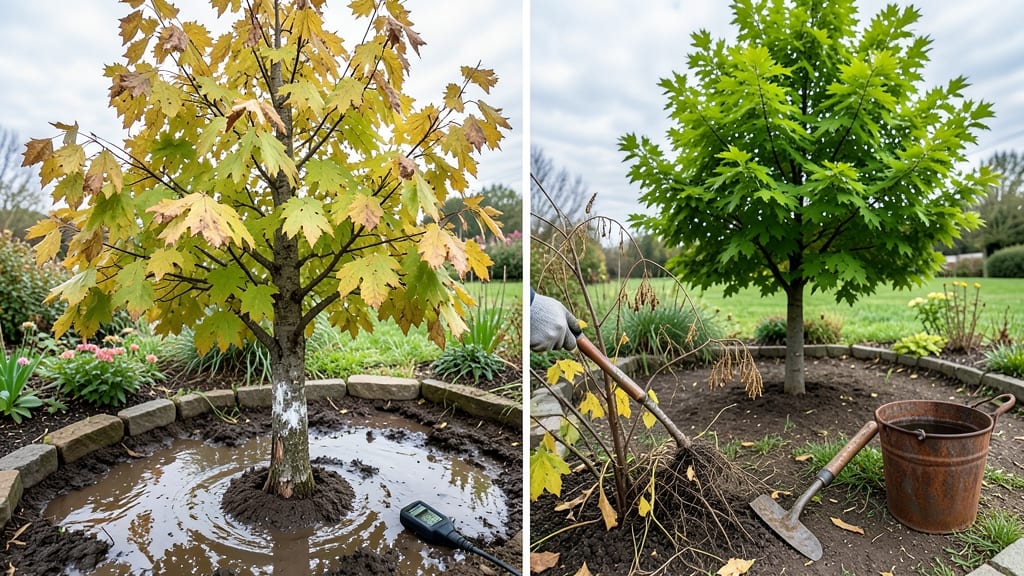
Your tree might be drowning in its own pot—how to tell if a tree is overwatered is something I’ve seen too many times: soaked soil, wilting leaves, and that unmistakable sour smell that tells you something’s seriously wrong.
The problem isn’t just too much water; it’s the suffocating roots and fungal growth that follow, turning your once-vibrant tree into a sad, droopy mess.
Here's the telltale trio: leaves that stay yellow even when the soil's wet, mushrooms sprouting at the base, and roots that smell like rotten eggs when you dig near them.
I learned the hard way that overwatering doesn’t just kill roots—it creates the perfect conditions for pests and diseases to move in. The good news? You can turn this around with proper drainage fixes and a smarter watering schedule.
What you'll end up with is a tree that recovers its deep green color, stops dropping leaves, and starts growing new shoots within weeks. The soil will smell fresh again, and those roots will breathe properly.
It's not instant, but with the right approach, you'll see real improvement in just a few watering cycles.
Works for any tree type—from young saplings to mature shade trees—as long as you adjust for soil type and climate. The key is patience and consistency. Let's get that tree back on track!
📚 In This Guide
- What you need
- Instructions
- Tips and common mistakes
- Wrapping up and next steps
What you need
- ● Garden trowel or small shovel – For digging a shallow hole (6–12 inches deep) near the tree’s base to check soil moisture.
- ○ Moisture meter (optional but helpful) – A digital or analog soil moisture sensor to measure exact hydration levels.
- ● Gloves – Heavy-duty gardening gloves to protect your hands from dirt, sharp roots, or potential pests.
- ● Notebook and pen – To jot down observations like soil texture, leaf color, or foul odors.
- ○ Magnifying glass (optional) – Useful for spotting tiny signs like root rot or insect damage up close.
- ● Watering can or hose – If you’re testing drainage, you’ll need a way to add controlled water.
- ● Plastic bag or container – For collecting a small soil sample to inspect for texture or pests.
- ● Ruler or measuring tape – To gauge the depth of water saturation or root exposure.
- ● pH testing kit – Overwatering can alter soil pH; this helps confirm if imbalance is a factor.
- ● Camera or smartphone – Snap photos of wilting leaves, discolored bark, or mushroom growth for later reference.
- ● Pruning shears – If you suspect dead branches or fungal growth, you may need to trim them safely.
- ● Tree identification guide or app – Some species are more sensitive to overwatering; knowing yours helps tailor your approach.
How to diagnose overwatered trees: key signs and what to do next
Even with soggy soil, your tree might be drowning—here’s how to spot the warning signs before it’s too late.
🌱 Step 1: Check for Yellowing or Drooping Leaves
Start by examining the leaves. Healthy leaves are vibrant green, but overwatered trees often show yellowing or brown patches that spread from the bottom up. The edges may curl or crisp, and leaves might droop even when the soil feels damp. This happens because roots suffocate in waterlogged soil, starving the tree of oxygen and nutrients.
Run your fingers through the soil around the base—if it feels soggy or smells like rot, that’s a red flag. Unlike underwatering, where leaves turn crispy and dry, overwatered leaves stay soft and limp. If you see mushy stems or branches, the damage is severe and the tree may not recover.
🌿 Step 2: Inspect the Soil and Root Zone
Dig gently about 2-3 inches deep near the tree’s drip line (the edge of the canopy). Healthy soil should crumble slightly when dry but not feel mushy. Overwatered soil stays clay-like or gummy, and you might see white fungal growth or a foul, sour odor—this is a sign of root rot.
If the roots look dark brown or black instead of white or tan, they’re rotting. Healthy roots should have a firm texture, while rotting ones feel slimy. Avoid digging too deep—just check the top 6-12 inches, where most roots absorb water. If the soil stays wet for days after rain, your tree is at risk.
⏰ Step 3: Monitor Growth and New Leaves
Overwatered trees often stop growing or produce weak, sparse new leaves. Check for small, pale, or deformed foliage—a sign the tree isn’t photosynthesizing properly due to oxygen deprivation. If the tree sheds leaves unexpectedly in warm weather (not autumn), that’s another clue.
Pay attention to the canopy’s shape. A healthy tree grows outward, but overwatered trees may develop thin, leggy branches or bare spots where leaves drop prematurely. If you notice peeling bark or oozing sap, the tree is under severe stress—likely from both overwatering and fungal infections.
💧 Step 4: Test the Drainage Around the Tree
Poor drainage is the root cause of most overwatering issues. If water pools near the base for more than 24 hours after rain or watering, your tree’s roots can’t breathe. Dig a small trench 1-2 feet away from the trunk to see how water drains—if it sits or seeps slowly, amend the soil with organic matter like compost to improve aeration.
Mulch helps, but never pile it against the trunk—keep it 3-4 inches away to prevent moisture buildup. If your yard has heavy clay soil, consider raising the tree’s root zone by mounding soil or installing a French drain to redirect excess water. Overwatering is often a symptom of poor drainage, not just overzealous watering.
✂️ Step 5: Take Corrective Action Immediately
If you confirm overwatering, stop watering entirely for 2-3 weeks to let the soil dry out. Prune any dead or diseased branches with clean, sharp shears to prevent further spread. Avoid fertilizing—roots need to recover before absorbing nutrients.
For severe cases, consult an arborist about root aeration or soil amendments like perlite or sand. If the tree is young, you might repot it (if in a container) or transplant it to a better-draining location. Recovery takes time, but acting fast can save your tree—don’t wait until the smell of rot fills the air.
Tips & tricks for diagnosing overwatered trees
Real talk: Overwatering is the silent killer of trees, and most gardeners don't realize they're doing it until it's too late. Here's how to spot the subtle clues before your tree's roots give up.
Leaf Texture Tells All: In Step 1, when you notice yellowing leaves, pay extra attention to their texture. Healthy leaves should feel firm when gently squeezed. Overwatered leaves, however, will feel soft and limp—almost like they're waterlogged. This happens because the roots can't absorb oxygen in saturated soil, causing the leaves to lose their rigidity. The key difference from underwatering? Overwatered leaves stay damp and pliable, while underwatered leaves become crispy and brittle.
Soil Smell is Your Early Warning: That "foul, sour odor" mentioned in Step 1 isn't just unpleasant—it's a red flag for anaerobic conditions in the soil. If you're digging near the roots in Step 2 and notice a musty, rotten smell, that means beneficial bacteria can't thrive in the waterlogged environment. Grab a small soil sample and let it dry overnight—if it still smells bad when dry, your tree's roots are suffering. This is often the first sign before visible rot appears.
Root Inspection Depth Matters: When checking roots in Step 2, focus on the top 6-12 inches—the zone where most feeder roots live. Healthy roots should be white or tan with a firm texture, almost like a carrot. If you're seeing dark brown or black roots, that's a clear sign of root rot. Pro tip: Use a clean, sterilized knife to make your inspection cuts—contaminated tools can spread fungal infections even further.
Drainage Test Beyond the Obvious: The 24-hour water pooling test in Step 4 is crucial, but take it one step further. After your initial test, mark the water level with a small stake. Come back the next day and check if the water has receded at all. If it's still at the same level or higher, you've got serious drainage issues. For clay-heavy soils, consider creating a shallow trench around the tree's drip line to improve water flow away from the roots.
Pro Tips for Tell If Tree Is Overwatered
- Real talk: Overwatering is the silent killer of trees, and most gardeners don't realize they're doing it until it's too late.
- Leaf Texture Tells All: In Step 1, when you notice yellowing leaves, pay extra attention to their texture.
- Soil Smell is Your Early Warning: That "foul, sour odor" mentioned in Step 1 isn't just unpleasant—it's a red flag for anaerobic conditions in the soil.
Frequently asked questions
about overwatered trees—because even the greenest thumbs need a little clarity! Here’s what you’ve been wondering:How often should I water my tree to avoid overwatering?
It depends on your climate, soil type, and tree species! As a general rule, deep watering 1-2 times per week (about 1-2 inches of water) is better than frequent shallow watering. Check soil moisture 2-3 inches down—if it’s damp, wait before watering again. Conduct a simple soil test for precision!
Why does my tree look wilted even when the soil is wet?
Overwatering suffocates roots by cutting off oxygen, leading to root rot and wilting—even in soggy soil. Other signs include yellowing leaves, mushrooms at the base, or a foul, sour smell. Compare symptoms to confirm overwatering vs. underwatering or pests.
How long does it take for a tree to recover from overwatering?
Recovery time varies! Light cases may improve in 2-4 weeks with adjusted watering and aerated soil. Severe root rot can take months or require professional help. Prune damaged branches, improve drainage, and avoid watering until the top 3 inches of soil dry out. Patience is key—don’t rush!
Can I fix overwatered soil without replanting the tree?
Start by reducing watering immediately and improving drainage with organic matter (compost or mulch). For compacted soil, use a garden fork to loosen roots. If the tree is young, consider repotting or relocating it to a well-draining spot. Older trees may need root aeration tools or a consult with an arborist.
Is it safe to water my tree after it shows signs of overwatering?
Only if the soil is bone-dry and you’ve addressed drainage issues. Wait until the top 4-6 inches of soil feel dry to the touch, then water deeply but infrequently. Avoid shallow sprinkles—aim for slow, deep soaks to encourage healthy root growth. Monitor closely for improvement over the next few weeks.
Pro Tip:
Use a moisture meter or the "squeeze test" (grab a handful of soil—if it crumbles, it’s dry; if it sticks, it’s too wet). This beats guesswork and keeps your tree thriving!
Wrapping up and next steps
Now that you’re equipped with the signs—wilting leaves, foul odors, and soggy soil—you can confidently assess whether your tree is drowning in water. 🌱 Remember, balance is key: too much or too little water can both harm your tree.
The next step? Adjust your watering routine based on what you’ve learned and give your tree the care it deserves.
If you’re still unsure, don’t hesitate to consult a local arborist or extension service for expert advice. Your green thumb is growing—keep nurturing it! 🌟