
How To
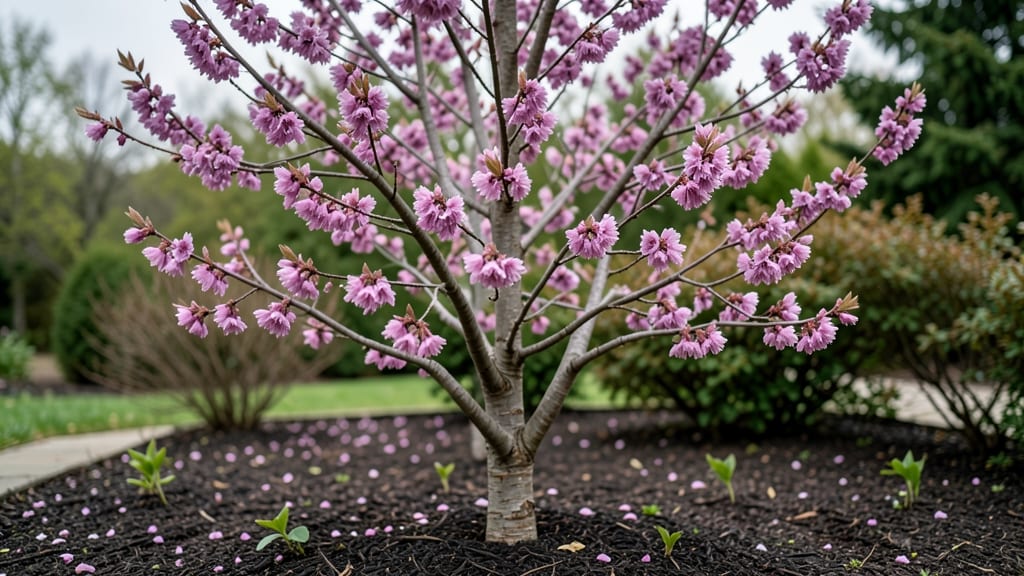
A redbud tree grows how tall does redbud tree grow between 10 and 30 feet at maturity, depending on the variety and growing conditions — making it a versatile choice for both small yards and larger landscapes.
If you're dreaming of a stunning springtime tree with vibrant blooms but limited space, knowing the exact height of redbud varieties could make all the difference in your landscaping decisions.
Most common redbud trees, like the classic Eastern redbud 🌳, reach 20 to 30 feet tall, while dwarf varieties stay under 12 feet, perfect for urban gardens or container planting.
Below, I’ll break down the exact mature heights of popular cultivars, how your climate zone affects growth, and the 5 key factors that determine whether your redbud stays compact or stretches skyward.


Redbud tree height by variety: exact mature sizes compared
Choosing the perfect redbud tree for your landscape starts with understanding their mature heights. These stunning trees bloom in early spring with vibrant pink, purple, or white flowers, but their growth patterns vary dramatically by variety.
Whether you have a small urban yard or a spacious rural property, selecting the right redbud ensures your vision thrives without overcrowding other plants.
The Eastern redbud (Cercis canadensis) is the most common variety, but its height can range from 15 to 30 feet depending on growing conditions. Cultivars like 'Forest Pansy' and 'Merlot' offer unique colors and compact sizes, making them ideal for smaller spaces.
Let’s compare the exact mature heights of eight popular redbud varieties so you can plan your landscape with confidence.
| Variety | Mature Height | Spread | Growth Rate | Best For | |||||||||||||||||
|---|---|---|---|---|---|---|---|---|---|---|---|---|---|---|---|---|---|---|---|---|---|
| Eastern Redbud (Cercis canadensis) | 15–30 ft | 20–25 ft | Moderate | Large gardens, woodlands | |||||||||||||||||
| Western Redbud (Cercis occidentalis) | 10–15 ft | 15–20 ft | Slow | Drought-prone areas, slopes | |||||||||||||||||
| Mexican Redbud (Cercis canadensis var. mexicanum) | 12–18 ft | 12–15 ft | Moderate | Arid climates, containers | |||||||||||||||||
| 'Royal Purple' (Cercis canadensis 'Royal Purple') | 15–20 ft | 15–20 ft | Moderate | Specimen planting, focal points | |||||||||||||||||
| 'Forest Pansy' (Cercis canadensis 'Forest Pansy') | 12–15 ft | 12–15 ft | Moderate | Small gardens, urban landscapes | |||||||||||||||||
| 'Merlot' (Cercis canadensis 'Merlot') | 10–12 ft | 10–12 ft | Slow | Containers, patios, small yards | |||||||||||||||||
| 'Oklahoma' (Cercis canadensis 'Oklahoma') | 8–12 ft | 8–10 ft | Slow | Dwarf landscaping, small spaces | |||||||||||||||||
| 'Ruby Falls' (Cercis canadensis 'Ruby Falls') |
How growth zones affect redbud tree height: USDA zone-specific guidelinesUnderstanding your USDA hardiness zone is crucial when selecting a redbud tree, as it directly impacts mature height, cold hardiness, and growth rates. Redbuds thrive in zones 4-9, but their final size can vary dramatically depending on climate conditions. In colder zones, trees grow more slowly but may reach comparable heights with proper care, while warmer zones accelerate growth and height potential. For example, a standard Eastern redbud in Zone 5 might max out at 15-20 feet, while the same variety in Zone 8 could easily reach 25-30 feet. Dwarf cultivars like 'Oklahoma' show less variation across zones, but their growth rates still respond to temperature differences. Let's break down how each zone influences your redbud's potential height.
🌱 Height variations by zone
In Zones 3-4, redbuds grow more compactly due to shorter growing seasons. I recommend choosing dwarf varieties like 'Covey' or 'Lavender Twist' to ensure they fit your space while still thriving. These zones require extra winter protection, including thick mulch and avoiding late-season pruning that could stimulate tender new growth before frost. For Zones 5-6, standard varieties like 'Forest Pansy' perform exceptionally well, reaching their full height potential of 15-20 feet. These zones offer a balance where redbuds grow steadily without requiring special winter care beyond basic mulching. The growth rate accelerates in spring, so early pruning can help manage height if needed. Gardeners in Zones 7-9 enjoy the fastest-growing redbuds, with some varieties reaching 30 feet in ideal conditions. In these warmer climates, I suggest planting spaced 20-25 feet apart to prevent overcrowding. Southern exposure maximizes bloom production, but redbuds here may need regular summer watering during drought periods to maintain healthy growth rates. Remember that microclimates within your zone can further influence height. A redbud planted in a sheltered, south-facing location may outgrow one in a windy, north-facing spot by 30-50%. Always consider these local factors when estimating your tree's mature size for proper landscaping planning. |