
How To
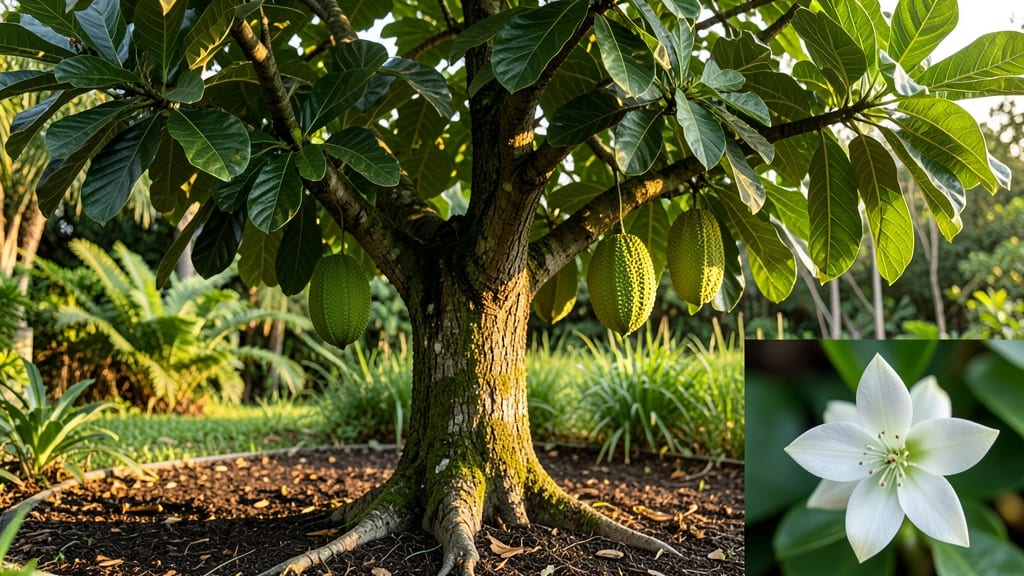
A soursop tree can grow 20 to 30 feet tall—taller than most two-story houses—if given the right conditions, which is why knowing its mature size matters before you plant one.
If you're dreaming of growing a tropical soursop tree in your backyard, knowing its mature height is crucial—because this fruit giant can reach heights that may surprise you, depending on your climate and growing conditions.
In USDA zones 10-12, where soursop trees thrive, they can shoot up quickly, adding 6 to 10 feet per year in ideal conditions. Without proper pruning or space, they’ll dominate your garden, making them better suited for larger properties or containers if you plan to control their size.
Below, I’ll break down how variety, climate, and pruning affect height—so you can decide if a soursop tree fits your space and whether you’ll need to invest in some strategic trimming.


Soursop tree height by variety: how big can it really get?
If you're considering adding a soursop tree (Annona muricata) to your landscape, understanding its mature height is essential. This tropical fruit tree can grow into a true giant, with some varieties reaching heights that will make your backyard feel like a rainforest oasis.
The standard soursop tree height typically ranges between 20 to 30 feet under ideal conditions, but genetics, climate, and care practices play a huge role in determining how tall yours will grow.
Unlike many fruit trees, soursops don't have widely available dwarf varieties, which means you're generally committing to a large tree. However, with proper pruning techniques and growing conditions, you can influence its height and manage its size more effectively.
Let's explore the height variations by variety and what factors contribute to these differences.
Comparison of Soursop Tree Heights by Variety
The standard soursop tree (Annona muricata) is the most commonly grown variety, and its height can vary significantly based on environmental factors. In tropical climates like Florida or Hawaii, where conditions are ideal, these trees can easily reach 25 to 30 feet without intervention.
However, in slightly cooler subtropical zones like southern California or parts of Texas, growth may be slower, with mature heights often falling on the lower end of the range.
Genetics also play a role in determining height. Some wild soursop varieties can grow even taller, reaching heights of 30 to 40 feet under perfect conditions. These trees are less predictable in terms of fruit production and size, but they can be stunning additions to larger properties.
If you're working with a grafted soursop variety, such as the 'Sweetie' cultivar, you might see slightly more controlled growth, often staying between 18 to 25 feet.
For gardeners with limited space, growing a soursop in a large container is an option, but expect it to max out around 10 to 15 feet with regular pruning. Container-grown soursops require careful attention to root health and pruning to prevent them from becoming top-heavy or losing structural integrity.
If you're considering this approach, plan for a minimum 24-inch diameter pot and a sturdy stand to support the tree's weight.
When comparing soursop trees to other tropical fruit trees, they tend to be on the taller side. For example, a mango tree might reach 30 to 100 feet, while a guava tree typically stays between 15 to 25 feet.
Soursops fall somewhere in the middle but lean toward the taller end of the spectrum. This makes them a great choice for larger properties or tropical landscapes where space isn't a constraint.
If you're unsure whether your space can accommodate a soursop tree, consider its canopy spread, which can be just as impressive as its height.
A mature soursop tree often has a spread of 15 to 20 feet, meaning it will need plenty of room to grow outward as well. This makes it a poor fit for small urban gardens but ideal for rural or suburban properties with ample space.
To ensure your soursop tree reaches its full potential—or stays within your desired height limits—focus on providing the right growing conditions. This includes well-draining soil, full sun exposure, and regular fertilization with potassium-rich nutrients.
With the right care, you can enjoy a bountiful harvest of tropical fruit while managing the tree's size through strategic pruning.
🌳
Climate zones and growing conditions that affect soursop tree height
Your soursop tree (Annona muricata) thrives in warm climates, but its height depends heavily on your USDA hardiness zone and local growing conditions. Native to tropical regions like South America and the Caribbean, this tree prefers zones 10-11 where temperatures rarely drop below 30°F (-1°C).
Outside these zones, growth slows dramatically, and cold snaps can kill young trees.
In ideal conditions—high humidity, full sun exposure, and well-draining soil—soursop trees can reach 20-30 feet tall within 5-10 years. However, colder climates or poor soil can stunt growth, leaving your tree struggling to exceed 10-15 feet.
Even in perfect zones, pruning techniques can help manage height for smaller gardens.
🌴 Soursop Tree Height by Climate
- USDA Zones 10-11: 20-30 ft (ideal height)
- Zones 9-10: 15-20 ft (slower growth)
- Zones 8 or below: Stunted growth (may not survive winters)
💡 Pro Tip: Use container growing in cooler zones to control height and protect roots.
Sunlight is another critical factor—6+ hours of direct sun daily fuels rapid vertical growth. In shadier spots, your soursop may grow taller but leggier, with fewer branches and fruit. Meanwhile, well-draining, slightly acidic soil (pH 5.5-6.5) ensures strong root development, which supports the tree’s height potential.
Humidity plays a surprising role too. Soursop trees love 70%+ humidity, which helps them grow lush and tall. In dry climates, you’ll need to water deeply 2-3 times weekly and use mulch to retain moisture.
Without enough humidity, growth slows, and the tree may develop thinner branches that can’t support its full height.
If you’re in a cooler zone or have limited space, pruning in late winter can keep your soursop manageable. Focus on removing vertical growth and encouraging horizontal branches for a bushier shape. Just avoid heavy pruning during fruiting season—this can reduce your harvest.
For gardeners in USDA zones 12 or warmer, soursop trees grow even taller, sometimes exceeding 30 feet with proper care. But remember: taller trees require sturdy support and regular pruning to prevent weak branches.
Whether you’re in a tropical paradise or a container on your patio, understanding these climate factors will help you grow a healthier, happier soursop tree.