
How To
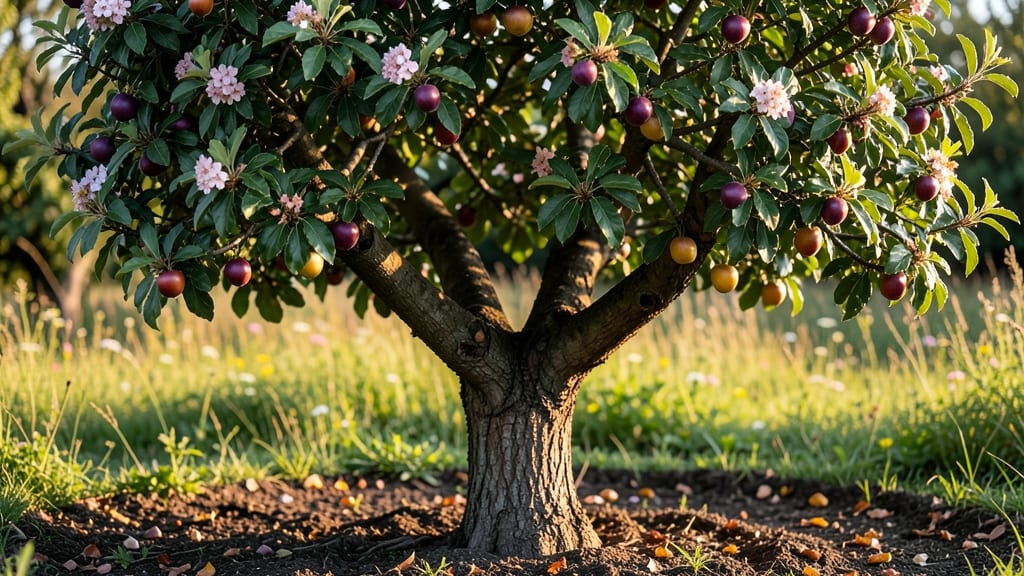
Plum trees grow anywhere from 6 feet to towering 30 feet tall, depending on the variety and care you give them 🍑 — and choosing the right size for your space can make all the difference in fruit yield and ease of maintenance.
If you're dreaming of a plum tree in your backyard but worried about space, you're not alone. Some varieties stretch toward the sky like a two-story house, while others stay compact enough for a container.
The height isn’t just about aesthetics—it’s about how much fruit you’ll harvest, how easy it is to pick, and even how well it resists pests.
Standard plum trees reach 20 to 30 feet, making them perfect for rural properties or large gardens, while dwarf varieties top out at 6 to 10 feet, ideal for urban yards or small patios.
Semi-dwarf options bridge the gap at 12 to 18 feet, offering a balance of space efficiency and productivity.
In this guide, I’ll break down the height ranges by variety, share tips for controlling growth through pruning and rootstock, and help you pick the perfect plum tree for your space—whether you’ve got acres or just a balcony.


Plum tree height guide: dwarf to standard varieties explained
Choosing the right plum tree size is the first step to a successful harvest—and a space-friendly garden.
Whether you have a tiny urban yard or a sprawling rural plot, knowing your options lets you pick a variety that thrives without crowding your patio or fence. Dwarf plums stay compact, while standard varieties reach towering heights, each with unique care needs and fruit yields.
Plum trees come in three main height categories: dwarf (6-10 ft), semi-dwarf (12-16 ft), and standard (20-30 ft). The difference isn’t just about aesthetics—it affects pruning frequency, fruit accessibility, and even pollination success.
Let’s break down what to expect from each, plus the best varieties for your space.
| Variety Type | Mature Height | Ideal Spacing | Best For | Pruning Needs |
|---|---|---|---|---|
| Dwarf (e.g., Santa Rosa, Methley) | 6–10 ft | 8–12 ft apart | Containers, small yards, urban gardens | Minimal; shape annually |
| Semi-Dwarf (e.g., Stanley, Montgomery) | 12–16 ft | 12–15 ft apart | Backyards, orchards, pollinator gardens | Moderate; open canopy |
| Standard (e.g., Burbank, Japanese Plums) | 20–30 ft | 20–25 ft apart | Large properties, shade trees, windbreaks | Regular; structural pruning |
Dwarf plum trees, like the Santa Rosa variety, are perfect for container gardening or tight spaces. They reach just 6–10 feet tall, making them ideal for patios or even large pots (use a 15-gallon container minimum).
These trees produce high-quality fruit but require thin-skinned varieties that won’t split in heavy rain. Prune lightly in late winter to maintain shape and encourage airflow.
Semi-dwarf varieties, such as the Stanley plum, strike a balance with 12–16 feet of height. They’re the workhorse of home orchards, offering better wind resistance than dwarfs while staying manageable for ladder harvesting.
Space them 12–15 feet apart to ensure proper airflow and reduce disease risk. These trees thrive in USDA Zones 5–9 and are excellent for cross-pollination with other plums.
Standard plum trees, including Japanese plums like Burbank, can soar to 20–30 feet, making them statement pieces in large landscapes. Their vigorous growth requires regular pruning to remove dead wood and shape the canopy.
Plant these 20–25 feet from structures to avoid shading issues and give roots room to establish. They’re also drought-tolerant once established, ideal for low-maintenance gardens.
Rootstock plays a huge role in determining height. Dwarf varieties are often grafted onto St. Julian A or Pixy rootstock, while standard trees use Myrobalan or Marianna 2624.
If you’re grafting your own tree, choose the rootstock based on your soil type—clay soils favor Marianna, while sandy soils suit St. Julian.
Pruning tips vary by size: Dwarf trees need annual shaping to prevent overcrowding, while standard trees benefit from structural pruning every 2–3 years. Always prune in late winter (before buds swell) to avoid disease spread.
Remove suckers at the base and dead branches first, then thin the canopy to let sunlight reach the center.
For urban gardeners, consider espalier training on dwarf varieties. This technique flattens the tree against a fence or wall, saving space while maximizing fruit production. Just ensure the training surface gets full sun—plums need 6+ hours daily to ripen properly.
Even in containers, use a well-draining mix with 50% compost to mimic orchard soil.
Remember: Soil quality affects height too. Amend clay-heavy soil with sand and compost, and avoid waterlogged areas—plum roots need oxygen to grow strong. If your tree starts outgrowing its space, it’s not too late to
How to choose the right plum tree size for your space
Choosing the perfect plum tree size depends on more than just your yard’s square footage—it’s about balancing fruit production, sunlight access, and maintenance ease. A dwarf variety may fit your patio, while a standard tree needs room to thrive.
Let’s break down how to match your space, climate, and care style to the ideal plum tree height.
Start by measuring your space and considering your long-term goals. Do you want plums for fresh eating, jams, or selling at a farmers' market? Your answer affects which rootstock and variety you choose.
For example, Stanley rootstock keeps trees compact, while Myrobalan produces taller, hardier trees. Always check the mature height before buying!
- 🌱 Dwarf Varieties (6–10 ft): Ideal for containers or small yards. Examples: Santa Rosa, Methley. Requires annual pruning to control growth.
- 🌳 Semi-Dwarf (12–16 ft): Perfect for medium spaces. Examples: Larry Kelley, Shiro. Needs 5–6 ft of clearance from structures.
- 🏡 Standard (20–30 ft): Best for large properties. Examples: El Dorado, Black Diamond. Plant 20+ ft from buildings for airflow.
- 🌬️ Wind Resistance: Tall trees need windbreaks (e.g., fences, other trees). Dwarf varieties tolerate urban winds better.
- 🪴 Rootstock Matters: Stanley = dwarfing effect; Myrobalan = vigorous growth. Ask nurseries for rootstock details!
For container gardening, prioritize dwarf varieties like Methley or Kelsey, which thrive in 15–20 gallon pots. Use a well-draining mix (60% potting soil, 30% compost, 10% perlite) and repot every 2–3 years to refresh roots.
Place containers in full sun and water when the top 2 inches of soil dry.
If you live in a windy climate, avoid tall varieties like El Dorado unless you add a windbreak. Short trees (under 12 ft) handle gusts better. In urban areas, semi-dwarf trees balance space and productivity—just ensure they’re planted 10 ft from sidewalks to avoid root conflicts.
Don’t overlook pruning as a height-control tool. Young trees benefit from open-center pruning to encourage a sturdy structure, while mature trees need annual thinning to remove water sprouts and dead wood. Use sterilized tools and prune in late winter to prevent disease spread.
Ready to plant? Measure twice, then choose a variety that fits your space—and your patience. With the right size, your plum tree will reward you with years of fruit and minimal stress. Happy growing! 🌿