
How To
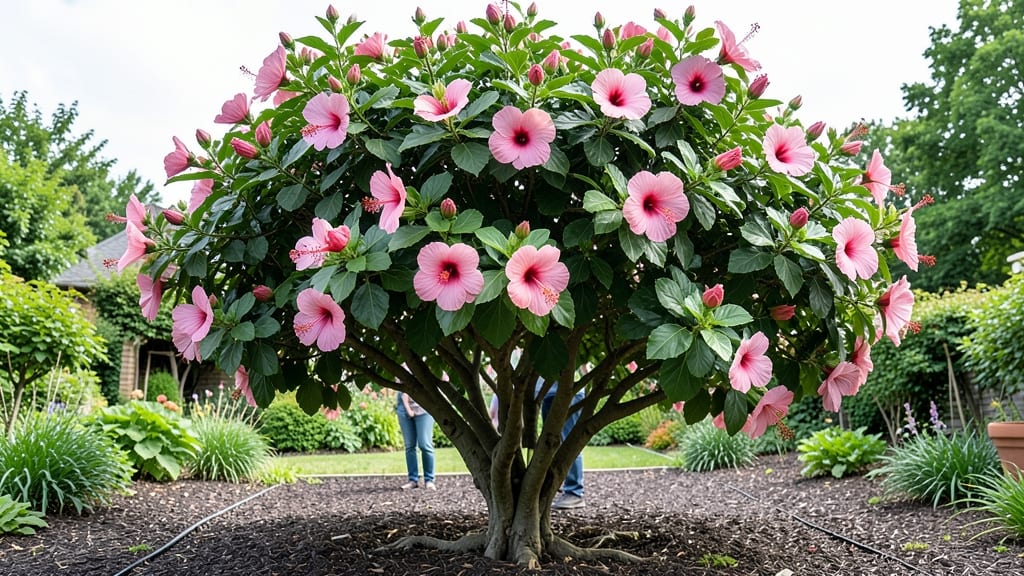
A hibiscus tree can grow anywhere from 3 feet to over 30 feet tall, depending on the variety and how you care for it 🌺 — but most gardeners end up somewhere in the middle.
If you've ever dreamed of a tropical paradise in your backyard, hibiscus trees could be your answer—but how tall can they really grow? The answer depends on the variety, growing conditions, and a little strategic pruning.
Tropical hibiscus species, like Hibiscus rosa-sinensis, can reach towering heights of 20 to 30 feet when left unchecked, while hardy varieties such as Hibiscus syriacus typically stay between 6 and 12 feet tall.
That means your choice of plant sets the stage for whether you're dealing with a small shrub or a small tree.
Below, I’ll break down the height ranges for common hibiscus types, how to control growth with pruning, and the key factors that push your plant toward the sky—or keep it compact. Ready to find the perfect fit for your space?


Hibiscus tree height by variety: small to towering giants
Hibiscus trees are nature's showstoppers, offering everything from delicate dwarf varieties perfect for small gardens to towering tropical giants that dwarf two-story homes. The height range is staggering—from 3-foot shrubs to 30-foot trees—but it all comes down to the species and growing conditions.
Let’s explore the most popular hibiscus varieties and what you can realistically expect from each in your landscape.
First, it’s important to note that hibiscus trees fall into two main categories: tropical hibiscus (Hibiscus rosa-sinensis) and hardy hibiscus (Hibiscus syriacus). Tropical hibiscus are the flashy, vibrant stars of warm climates, while hardy hibiscus are cold-hardy and thrive in temperate zones.
Your choice of variety will dictate not only height but also care requirements and seasonal behavior.
If you’re planning your garden layout, knowing these height ranges will help you avoid overcrowding or awkward spacing. For example, a 6-foot dwarf hibiscus fits beautifully in a patio container, while a 20-foot tropical giant needs a spacious yard or tropical climate.
Let’s dive into the specifics with a side-by-side comparison to help you visualize each type.
The Hibiscus syriacus, or Rose of Sharon, is a favorite for its hardiness and adaptability. This variety typically reaches 6–12 feet at maturity, making it ideal for small to medium-sized gardens.
It’s also one of the few hibiscus types that can handle colder climates down to USDA Zone 5, so it’s perfect for gardeners in the Midwest or Northeast who crave tropical-looking blooms without the fuss.
On the opposite end of the spectrum, tropical giant hibiscus varieties like Hibiscus rosa-sinensis 'Giant' can soar to 30 feet or more in ideal conditions. These are the showstoppers you’d see lining resort pathways or gracing large estates in Florida or Hawaii.
If you’re not in a tropical climate, these varieties can still thrive in large containers and be brought indoors during winter, though they’ll need consistent care to reach their full height potential.
For those with limited space, dwarf tropical hibiscus like 'Dwarf Red' or 'Little John' are game-changers. These stay compact at 3–6 feet, making them perfect for containers, patios, or small gardens.
They’re also easier to manage if you’re new to hibiscus care, as their slower growth rate means less aggressive pruning. Plus, their vibrant blooms add a punch of color without overwhelming your space.
If you’re torn between varieties, consider your climate, space, and maintenance preferences. A hardy hib
How to control hibiscus tree height: pruning and care tips
If your hibiscus tree is reaching for the sky faster than you expected, don't worry—you're not alone. Many gardeners struggle with managing their hibiscus's height, especially when tropical varieties can grow 30+ feet tall.
The good news is that with the right pruning techniques and care, you can guide your hibiscus to your desired height while keeping it healthy and blooming.
First, understand that hibiscus growth is influenced by three key factors: genetics (variety), environmental conditions (sunlight, soil, water), and pruning habits. For example, tropical hibiscus like Hibiscus rosa-sinensis naturally grow taller than hardy varieties like Hibiscus syriacus. But even the tallest varieties can be managed with proper care.
🌱 How Tall Can a Hibiscus Tree Grow?
| Variety | Mature Height Range | Growth Rate |
|---|---|---|
| Tropical Hibiscus (H. rosa-sinensis) | 15–30 ft (unpruned) | 2–4 ft/year |
| Hardy Hibiscus (H. syriacus) | 6–12 ft (unpruned) | 1–2 ft/year |
| Dwarf Varieties (e.g., 'Lima' or 'Pride of Havana') | 3–6 ft (pruned) | 1–1.5 ft/year |
💡 Pro Tip: Prune tropical hibiscus year-round (except winter) to control height, while hardy varieties only need late winter/early spring pruning.
To control your hibiscus's height, start with regular pruning. The best time to prune is in early spring before new growth begins. Use clean, sharp pruning shears to cut back 1/3 of the plant's height if needed.
For tropical hibiscus, you can prune lightly throughout the growing season to encourage bushier growth and prevent overgrowth.
Pay attention to your hibiscus's watering and sunlight needs, as these directly impact growth. Hibiscus trees thrive in full sun (6+ hours daily) and well-draining soil. Overwatering can lead to leggy growth, while underwatering stresses the plant, slowing its height increase.
Aim for deep watering 2–3 times per week during hot months and reduce in cooler seasons.
For container-grown hibiscus, height control is even easier. Simply repot every 2–3 years into a slightly larger container to restrict root growth, which naturally limits height. Add a slow-release fertilizer in spring to encourage compact, bushy growth rather than tall, spindly stems.
If your hibiscus is already too tall, don't panic. You can prune it back drastically in early spring, cutting branches down to 12–18 inches from the ground. This may reduce flowering that season, but your hibiscus will bounce back with a fuller shape and more blooms in the following year.
Remember, the key to managing hibiscus height is consistency. Regular pruning, proper sunlight, and balanced watering will keep your tree at your desired height while ensuring it stays vibrant and full of blooms. With these tips, you can enjoy a hibiscus tree that fits your space perfectly! 🌺