
How To
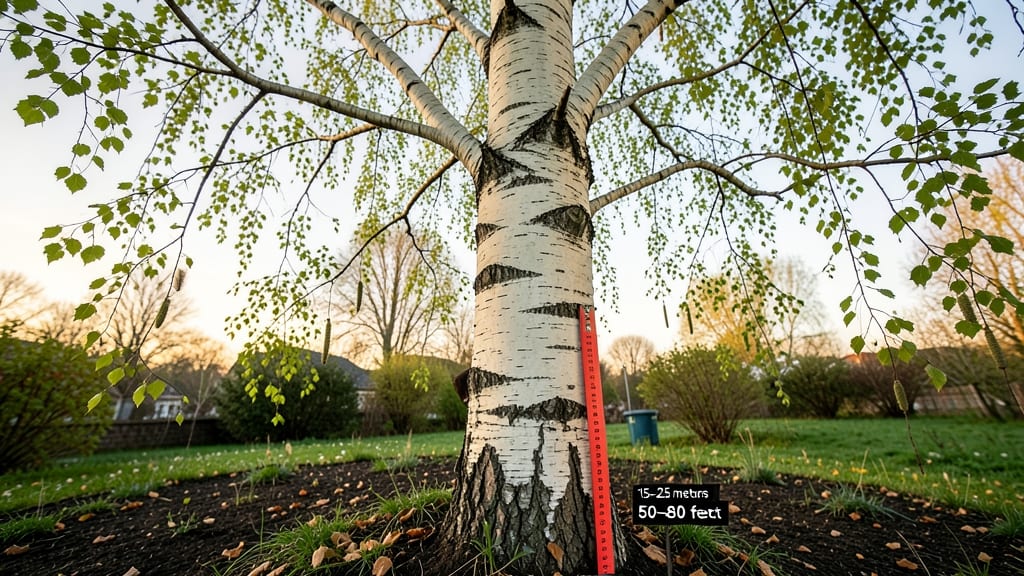
A birch tree can grow anywhere from 20 to 80 feet tall, depending on the species and growing conditions 🌳—making it a stunning but space-conscious choice for landscapes.
If you’ve ever admired a slender birch tree swaying in the breeze and wondered just how tall it could grow, you’re not alone. Some varieties, like the towering Paper Birch, stretch toward the sky, while others stay compact enough for small gardens.
The difference often comes down to soil, sunlight, and a little patience.
For those with limited space, dwarf varieties like the 'Fastigiata' can cap out around 25 feet, while standard species like the River Birch or Yellow Birch may reach 60 feet or more in ideal conditions. Understanding these variations helps you pick the perfect fit for your yard.
Below, I’ll break down the heights of popular birch species, share tips for managing growth, and reveal how climate and care can influence just how tall your birch tree will become.


Birch tree height by species: from dwarf varieties to towering giants
Birch trees are famous for their graceful, peeling bark and delicate branches, but their mature heights can vary dramatically depending on the species. Some stay compact enough for small gardens, while others reach skyscraper-like proportions.
If you're planning your landscape, knowing these differences is key to choosing the right birch for your space.
The tallest birch species, like the Paper Birch, can soar to 70–80 feet, while dwarf varieties like the 'Fastigiata' stay under 25 feet.
This range makes birches versatile for everything from urban courtyards to forest edges. Let’s explore the height spectrum and how each species compares to everyday landmarks.
Comparison Table: Birch Tree Heights by Species
The Paper Birch is one of the fastest-growing birch species, often reaching 70 feet in ideal conditions. Its peeling white bark makes it a standout in landscapes, but its height means it’s best suited for large properties or as a forest-edge specimen.
If you’re dreaming of a birch in your backyard but lack space, consider the Dwarf White Birch, which stays under 25 feet while still showcasing that iconic bark.
For a medium-height option, the River Birch is a fantastic choice, typically growing to 40–60 feet. Its exfoliating bark in shades of red, orange, and white adds year-round interest, and it’s more adaptable to wet soils than other birches.
This makes it ideal for pond edges or moist garden spots where taller trees might struggle.
The Yellow Birch, while slightly slower-growing, can still reach 60–75 feet and is prized for its golden-brown bark and fragrant winter twigs. It’s a favorite in wildlife-friendly gardens because its seeds attract birds, and its dense foliage provides shelter.
However, its height means it’s better suited for woodland gardens or larger estates.
If you’re working with limited space, the Gray Birch is a compact option, typically staying between 20–30 feet. It’s one of the fastest-growing dwarf birches and thrives in partial shade, making it perfect for understory planting or as a small tree in containers.
Its asymmetrical branches add a natural, whimsical touch to gardens.
For a dramatic focal point, the Weeping Birch is unmatched. Its
Factors that influence birch tree growth height: climate, soil, and care
A birch tree’s final height isn’t just about genetics—it’s a mix of climate conditions, soil quality, and the care you provide. In ideal conditions, a paper birch can reach 70+ feet, while the same species in a polluted urban area might max out at 30 feet.
Understanding these factors helps you maximize growth or manage height in tight spaces.
Sunlight is the most critical factor for birch trees. They thrive in full sun (6+ hours daily), but too much intense sunlight in hot climates can stress young trees.
In forest clearings, birches often grow taller because they receive dappled sunlight and cooler temperatures. Urban environments with limited sunlight or air pollution can stunt growth significantly.
🌱 Key Takeaway: How Tall Can a Birch Tree Grow?
Species | Mature Height | Growth Rate
Paper Birch | 50–70 ft | 2–3 ft/year
River Birch | 40–60 ft | 1–2 ft/year
Yellow Birch | 60–80 ft | 1–2 ft/year
Dwarf Varieties | 12–25 ft | 1 ft/year
Note: Urban pollution, poor soil, and limited sunlight can reduce height by 30–50%.
Soil pH plays a surprising role in birch tree height. These trees prefer slightly acidic to neutral soil (pH 5.0–7.0). In alkaline soils (pH 7.5+), nutrient uptake slows, leading to stunted growth.
I’ve seen birches in forest soils (naturally acidic) grow twice as tall as those planted in urban alkaline soils. Amending soil with peat moss or sulfur can help lower pH and encourage faster growth.
Water availability is another game-changer. Young birch trees need consistent moisture to develop strong roots, while mature trees tolerate drought once established. In urban environments, where soil is often compacted and watered irregularly, birches may grow 20–30% shorter than their potential.
Mulching with wood chips helps retain moisture and mimics forest conditions.
Pruning practices can also influence height. Regular pruning in early spring encourages bushier growth, while topping (cutting the main stem) can create a multi-trunked tree but may reduce overall height. Avoid heavy pruning in late summer—it stresses the tree and can stunt future growth.
If you’re growing birches in a small garden, prune young trees annually to control height while maintaining their iconic shape.
Finally, climate zone matters. Birches thrive in USDA zones 2–7, but those in warmer zones (8+) may grow slower due to heat stress. In cooler northern climates, birches often reach their full height potential because they experience longer growing seasons.
If you’re planting in a hot, dry climate, choose drought-tolerant varieties like river birch and provide afternoon shade for young trees.