
Size
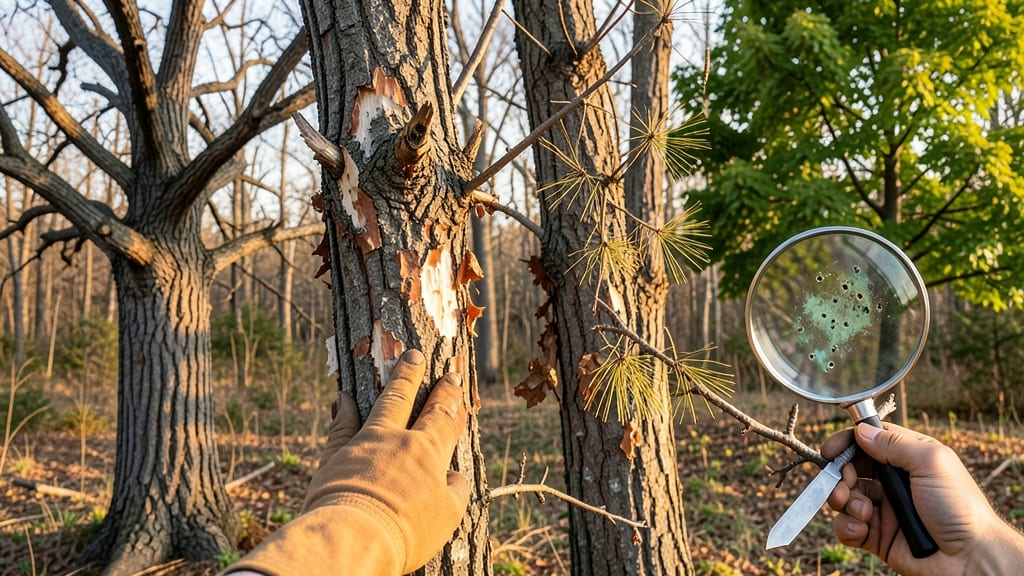
How can you tell when a tree is dead? The bark might peel away like sunburned skin when you scrape it—no green underneath means no life left. 🌳 I’ve stared at my own dying oak for months, convinced it was just dormant, until I finally tested the bark and realized it was too late. The signs are easier to spot than you think, and knowing them saves you from wasting time on a lost cause.
Start with the branches: snap a small one between your fingers. If it snaps cleanly like dry kindling, the tree is dead. Healthy wood bends slightly before breaking. Next, check for leaves—if it’s not winter, no leaves at all (even in spring) is a red flag.
Fungal growth like shelf-like mushrooms at the base? That’s nature’s way of saying the tree has given up the fight.
Scrape a small patch of bark—if it’s dry, crumbly, or reveals no green tissue beneath, the tree is beyond saving. The good news? Removing a dead tree prevents hazards and makes room for something new.
You’ll feel a strange mix of relief and loss, but your yard will thank you for it.
Once you confirm death, decide whether to remove it yourself (for small trees) or call a pro. Either way, you’re making space for healthier growth—whether that’s a new tree or just more sunlight for your garden. The sooner you act, the sooner your yard can heal.
Root Causes Of Tree Death
Trees don’t just die from old age—they’re often victims of unseen battles beneath the soil and above the canopy. Understanding why trees perish helps you spot early warning signs before it’s too late. Here’s a breakdown of the most common culprits, explained in clear, actionable terms.
Fungi and pathogens are silent assassins in the tree world. They thrive in moist, stressed environments and can spread rapidly through wounds, roots, or even the air. Some of the most destructive offenders include:
- Root Rot (Phytophthora, Armillaria) – Fungi like Armillaria mellea (honey fungus) attack root systems, cutting off water and nutrient flow. Infected roots turn brown, mushy, and emit a foul odor. Phytophthora species thrive in waterlogged soil, suffocating roots and leading to sudden wilting.
- Heart Rot (Fomes, Ganoderma) – Fungi invade the tree’s core through wounds (e.g., broken branches, pruning cuts). Over time, they hollow out the trunk, weakening structural integrity. Look for conk fungi (shelf-like growths) on the bark—a classic sign of advanced decay.
- Bacterial Leaf Scorch (Xylella fastidiosa) – This bacterium clogs a tree’s water-conducting vessels (xylem), causing leaves to brown at the edges. While it rarely kills mature trees outright, it stresses them, making them vulnerable to secondary infections.
💡 Pro Tip: If you suspect disease, inspect the underside of leaves for fungal spores (powdery or slimy patches) or check the bark for unusual growths. Prune infected branches 12 inches below the visible damage to prevent spread.
Trees are resilient, but extreme stress—whether from human activity, weather, or pests—can push them over the edge. Here’s how external forces accelerate death:
- Storm Or Wind Damage – High winds snap branches or uproot trees, exposing the trunk to wound pathogens. Even minor breaks create entry points for fungi and insects. A tree with more than 30% of its canopy lost may struggle to recover.
- Construction Or Soil Compaction – Heavy machinery or foot traffic compresses soil, reducing oxygen and water availability to roots. Compacted soil also disrupts mycorrhizal fungi—beneficial microbes that help trees absorb nutrients.
- Improper Pruning – Cutting too close to the trunk (within 1–2 inches) or removing too much foliage at once stresses the tree. This reduces photosynthesis, starving it of energy. Poor cuts also fail to seal properly, inviting infections.
- Mechanical Injury (Lawnmowers, Vehicles) – Scrapes on the trunk or girdling (ringing) from stakes or cables restrict the flow of nutrients and water. Even a shallow groove can strangle the tree over time.
⚠️ Warning Sign: If a tree has peeling bark, exposed cambium (green layer under bark), or oozing sap, it’s already fighting for its life. Act fast to protect nearby trees from cross-contamination.
Insects are nature’s recyclers, but some turn into tree-killing machines. Bark beetles, in particular, are one of the leading causes of forest die-offs, especially in drought-stressed trees. Here’s how they do it:
- Bark Beetles (Dendroctonus, Ips) – These tiny pests bore into the phloem (the tree’s food-transporting layer), disrupting nutrient flow. They release blue-stain fungi as they tunnel, which clogs the tree’s vascular system. Infested trees often lose needles or leaves in patches and exude sawdust-like frass from holes.
- Emerald Ash Borer (Agrilus planipennis) – This invasive beetle targets ash trees, laying eggs under the bark. Larvae feed on the cambium layer, girdling the tree and causing canopy dieback. Infested trees develop S-shaped galleries under the bark and D-shaped exit holes.
- Gypsy Moth Caterpillars (Lymantria dispar) – While they don’t kill trees directly, their voracious appetite defoliates entire canopies. Without leaves, trees can’t photosynthesize, leading to starvation. Repeated infestations weaken the tree’s immune system, making it susceptible to disease.
🔍 Spot the Sign: Tap the trunk with a hammer—if beetles or larvae drop to the ground, the tree is under siege. Treat early with systemic insecticides or encourage natural predators like birds and parasitic wasps.
Too much or too little water can be fatal for trees. Unlike humans, trees can’t just “drink more” when thirsty—they’re at the mercy of soil conditions and climate.
- Drought Stress – Prolonged dry spells disrupt the tree’s water transport system, causing leaves to wilt, curl, or drop prematurely. Deep-rooted species (like oaks) fare better than shallow-rooted ones (like maples). Wilting that doesn’t recover after watering is a red flag.
- Overwatering (Root Suffocation) – Waterlogged soil starves roots of oxygen, leading to anaerobic conditions that produce toxic gases like ethanol. Trees in soggy soil may develop yellowing leaves (chlorosis) or mushroom growth at the base.
- Salt Or Chemical Burn – Road salt, fertilizers, or herbicides can accumulate in the soil, poisoning roots. Symptoms include brown leaf tips, stunted growth, or premature leaf drop. Mulch properly and test soil pH if you suspect chemical damage.
🌡️ Hydration Hack: Stick a soil moisture meter 6 inches deep—if it reads “dry” for more than a week, water deeply (1–2 inches per week) but avoid shallow, frequent watering, which encourages weak roots.
A tree is only as healthy as its soil. Without the right balance of nutrients, even the hardiest species will decline. Here’s what goes wrong:
- Nitrogen Deficiency – Essential for leaf growth, nitrogen shortages cause yellowing between leaf veins (chlorosis). Trees may also exhibit stunted growth or excessive shedding. Fix it with organic matter (compost, manure) or slow-release nitrogen fertilizers.
- Phosphorus Or Potassium Shortages – Phosphorus supports root development, while potassium regulates water and disease resistance. Deficiencies lead to dark green or purple leaves, weak stems, or poor fruit/flower production. A soil test can pinpoint the exact deficiency.
- Compacted Or Depleted Soil – Urban trees often suffer from poor drainage and nutrient leaching. Over time, soil loses structure, making it hard for roots to expand. Add aeration (core cultivation) and organic mulch to restore health.
📊 Soil Savvy: Conduct a DIY soil test (
Revive or Remove Dead Trees
Now that you’ve identified the signs of a dying or dead tree, it’s time to take action. The right steps depend on whether the tree can be saved or if it’s a safety hazard.
Below are practical solutions tailored to common causes of tree death, along with prevention tips to keep your greenery thriving.
🔥 Root Rot or Poor Drainage? Improve Soil Health
If your tree is struggling due to waterlogged soil or root rot, act fast to restore drainage and aeration.
- 🔧 Dig a drainage trench around the tree (1–2 feet deep) to redirect excess water.
- 🌿 Add organic matter like compost or mulch (3–4 inches thick) to improve soil structure.
- ✂️ Prune dead branches to reduce stress on the roots.
- 💧 Water deeply but less frequently—overwatering worsens rot, while underwatering starves roots.
💡 Pro Tip: If the soil stays soggy for weeks, consider raising the tree’s base with a mound of gravel or sand.
☀️ Sun Scorch or Pest Damage? Protect the Canopy
If sunburnt leaves, holes, or sap oozing signal stress, shield the tree and boost its defenses.
- 🌿 Install shade cloth (30–50% coverage) for young or sensitive trees during peak sun.
- 🐞 Treat pests early with neem oil spray (for insects) or beneficial nematodes (for grubs).
- 🍃 Apply a balanced fertilizer (10-10-10) in early spring to support recovery.
- 🚫 Avoid heavy pruning—remove only dead or diseased branches to prevent further damage.
⚠️ Warning: If borers or fungal infections are severe, consult an arborist before DIY treatments.
❄️ Frost or Drought Damage? Hydrate & Insulate
Trees weakened by freezing temps or drought need immediate care to bounce back.
- 💧 Water deeply in late fall (before frost) and early spring to rehydrate roots.
- 🧤 Wrap young trees with tree guards or burlap to protect bark from winter sunscald.
- 🍂 Mulch heavily (4–6 inches) around the base to retain moisture and regulate soil temp.
- 🌱 Avoid fertilizing in winter—focus on water and protection instead.
💡 Pro Tip: Group trees together to create microclimates that reduce frost damage.
Not every tree can be saved—and some pose serious risks. Here’s how to decide:
| Sign | Action Needed | Safety First! |
|---|---|---|
| Brittle, snapping branches | Emergency removal (falling hazard) | Call a licensed arborist—don’t DIY. |
| Fungal growth at base | Full extraction (spreads to others) | Wear a mask—spores are harmful. |
| Hollow trunk with cracks | Professional removal (structural risk) | Check for bees/wasps before cutting. |
| No leaves, no buds, no green | Cut at the stump (dead = no recovery) | Use a stump grinder for clean removal. |
🔪 DIY Removal Risks:
- ❌ Never climb a dead tree—it’s unstable.
- ❌ Don’t use chainsaws near power lines (call utilities first).
- ❌ Avoid burning stumps (can spread disease).
- 🌱 Plant the Right Tree – Choose species native to your climate (e.g., oak for dry areas, willow for wetlands).
- 📏 Space Trees Properly – Follow spacing guidelines (e.g., 20–30 ft apart for large trees).
- 💧 Water Deeply, Not Often – 1 inch per week (more in extreme heat).
- 🌿 Mulch Like a Pro – 3–4 inches of wood chips, keep mulch 6 inches from trunk.
- 👀 Inspect Regularly – Check for pests, cracks, or discoloration every spring and fall.
- 🪓 Prune Smartly – Remove dead wood in winter, shape in late summer.
- 🚫 Avoid Soil Compaction – Don’t park heavy equipment near tree roots.
✨ Bonus: Test your soil ($20 kits at garden centers) to adjust pH and nutrients.
Final Thought: A dead tree isn’t always a loss—repurpose the wood, plant a replacement, or turn it into a pollinator garden! But act quickly when signs appear, and your yard stays safe and green. 🌳💚
Frequently asked questions
What’s the quickest way to confirm a tree is dead?
Scrape a small patch of bark—if it’s dry, crumbly, and reveals no green tissue underneath, the tree is dead. Another fast test: snap a small branch between your fingers. If it breaks like dry kindling, there’s no life left.
Can a tree come back to life after losing all its leaves?
Not if it’s truly dead, but some trees appear lifeless in winter or drought. Check for buds or green under the bark—if you see either, it’s just dormant. Evergreens should never lose all their needles unless they’re diseased.
Why does my dead tree still have leaves?
Some trees hold onto dead leaves or needles for months, especially in wet climates. Look for brown, brittle branches or no new growth in spring—those are clearer signs of death than lingering foliage.
Is it safe to remove a dead tree myself?
Only if it’s small and far from structures. Large or leaning dead trees are falling hazards—hire a certified arborist. Never climb a dead tree, and call utility companies first if power lines are nearby.
What should I do with the stump after removal?
Grind it down to 2–4 inches below ground level to prevent regrowth and tripping hazards. You can also plant a new tree in the hole or use the wood for mulch—just avoid burning it if disease is suspected.