Pests and Diseases
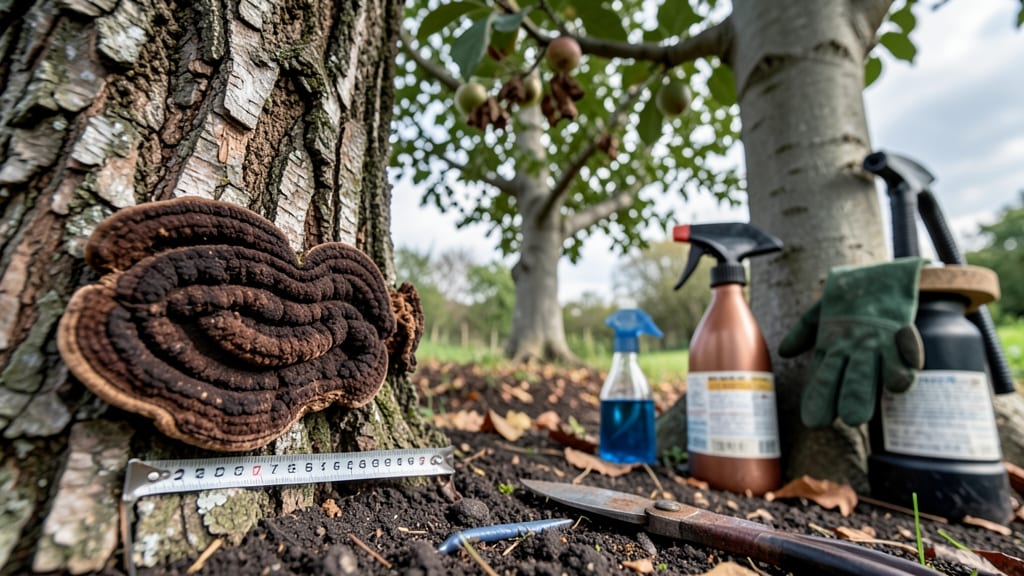
That black, oozing canker on your apple tree trunk isn’t just unsightly—it’s a fungal infection that could weaken or even kill your tree if ignored. 🌱 I’ve seen Valsa malorum (the common apple canker fungus) turn a once-healthy orchard into a sad, dying mess, but the good news is you can stop it in its tracks with the right approach.
Most infections start from wounds, wet weather, or poor air circulation, so the first step is identifying the signs—sunken, discolored patches, sticky sap, or cracked bark. Once you spot it, prune out the infected areas 3-4 inches below the damage and sterilize your tools to prevent spreading.
The key is acting fast before the fungus spreads deeper into the trunk.
For organic removal, a mix of copper fungicide and baking soda spray (1 tbsp baking soda + 1 tsp oil per gallon of water) can help, but the real game-changer is prevention: thin your trees for better airflow, water at the base (not overhead), and keep mulch 3 inches away from the trunk.
With these steps, you’ll protect your tree’s health and keep those apples coming for years.
Even if your tree looks bad now, don’t give up—many cankers can be managed, and with consistent care, your apple tree can bounce back stronger. The worst mistake? Waiting too long to act. Start today, and you’ll be enjoying fresh fruit before you know it.
Why it happens
Fungal infections on apple tree trunks aren’t just random bad luck—they’re often the result of specific conditions that create the perfect storm for pathogens. Understanding these triggers is the first step to stopping them before they spread.
Let’s break down the real culprits behind fungal growth on your tree’s bark, from environmental factors to human habits.
Fungi thrive in damp, humid conditions, and apple tree trunks are no exception. Here’s why water plays a starring role:
- Prolonged Wetness: Rain, overhead irrigation, or even morning dew can keep the bark damp for hours—ideal for fungal spores to germinate. Pathogens like Valsa (canker fungus) and Nectria love moisture, as it weakens the bark’s natural defenses.
- Poor Air Circulation: Dense foliage or nearby structures (like fences or other trees) trap humidity against the trunk, creating a greenhouse effect. Fungal spores spread faster in stagnant, moist air.
- Compacted or Waterlogged Soil: If the root zone doesn’t drain well, excess moisture seeps up the trunk via capillary action, saturating the bark. Test your soil’s drainage by digging a 12-inch hole—if water pools after 6 hours, you’ve got a problem.
💡 Pro Tip: Space trees 15–20 feet apart to improve airflow, and water at the base (not the trunk) to avoid wetting the bark.
A healthy tree trunk has a protective layer of bark that repels fungi. But when it’s compromised, fungi move in like squatters. Common damage sources include:
- Physical Injuries: Scrapes from lawnmowers, string trimmers, or even animal scratches create entry points. Fresh wounds expose the cambium layer (the tree’s "skin"), which fungi like Botryosphaeria target aggressively.
- Sun Scald: Sudden temperature swings (common in winter) cause bark to split, especially on the south or west sides of the trunk. Cracked bark = open invitation for Sclerotinia or Phomopsis fungi.
- Improper Pruning: Cutting too close to the trunk (within 1–2 inches) or leaving jagged edges slows healing and invites infection. Always prune in dry weather and use sterilized tools.
✨ Prevention Hack: Seal minor wounds with pruning paint (only on small cuts—don’t smother large areas). For deeper damage, consult an arborist to assess the risk of fungal spread.
A stressed tree is like a weakened immune system—it can’t fight off fungal invaders. Look for these red flags:
- Nutrient Deficiencies: Lack of potassium (K) or phosphorus (P) weakens bark resilience. Fungi exploit these deficiencies, as the tree can’t produce enough protective compounds like phenols.
- Drought or Overwatering: Both extremes disrupt the tree’s ability to transport nutrients and water, making it vulnerable. Apple trees need consistent moisture but hate soggy roots.
- Root Rot or Competing Plants: If nearby weeds or grass steal resources, the tree’s trunk becomes a prime target. Fungal pathogens like Armillaria (honey fungus) attack stressed roots first, then climb the trunk.
📊 Quick Health Check:
- Leaves: Yellowing or curling? Test soil pH (ideal: 6.0–7.0) and amend with compost or a balanced fertilizer (10-10-10).
- Trunk: Look for sunken lesions, oozing sap, or mushroom growth at the base—these are stress signals.
Some fungi don’t act alone—they hitch a ride with insects or other pests. Here’s how:
- Boring Insects: Beetles (like apple bark beetles**) create tunnels in the trunk, providing dark, moist cavities for fungi to colonize. Ophiostoma fungus often teams up with these pests.
- Scale or Aphids: Their sticky honeydew attracts sooty mold fungi, which coat the trunk and block sunlight. This weakens the bark over time, making it easier for canker fungi to take hold.
- Bird or Rodent Damage: Scratches from wildlife can introduce spores from contaminated droppings. Clean up nesting materials and use tree guards to deter animals.
🔥 Emergency Action: If you spot beetle holes or sap oozing, treat with neem oil (fungicidal and insect-repellent) and monitor for secondary fungal growth.
Fungal spores are sneaky—they can hitchhike on gardening tools, mulch, or even windblown debris. Here’s how:
- Unsterilized Pruners: Cutting infected branches without cleaning tools spreads spores to healthy parts of the tree. Always disinfect pruners with 70% rubbing alcohol or bleach solution (1 part bleach to 9 parts water).
- Infested Mulch: Old mulch, wood chips, or leaf litter piled against the trunk creates a fungal buffet. Avoid "volcano mulching" (piling mulch against the trunk)—keep it 3–4 inches away.
- Windborne Spores: Fungal spores can travel miles, but wounded trees in fungal hotspots (like orchards or nurseries) are high-risk. Isolate new trees for 1–2 seasons to monitor for infections.
🎯 Prevention Rule: Replace mulch annually and use sterilized wood chips (heat-treated or from certified disease-free sources).
How to Fix Fungal Trunk Issues
Fungal infections on your apple tree’s trunk don’t have to be a death sentence—with the right approach, you can restore your tree’s health and prevent future outbreaks. Below are targeted solutions based on the most common causes, from quick fixes to long-term prevention.
If your trunk is covered in lichen or moss, it’s not just unsightly—it can trap moisture and create the perfect breeding ground for harmful fungi.
🔥 Step 1: Scrub Gently but Thoroughly
- 👨🍳 Use a stiff brush (or a plastic scraper) to remove the growth.
- 💡 Pro Tip: Avoid metal tools—they can scratch the bark, leaving wounds for fungi to invade.
- 🌡️ Mix equal parts water and white vinegar in a spray bottle for a natural disinfectant. Spray and let sit for 10 minutes before scrubbing.
🥘 Step 2: Apply a Fungicide (Organic Options)
- 🍎 Copper fungicide (like Bordeaux mixture) – Spray after cleaning to prevent regrowth.
- 🌿 Neem oil solution (1 tbsp neem oil + 1 quart water + a drop of dish soap) – Spray every 2 weeks until growth stops.
✨ Prevention:
- ⏰ Prune nearby branches to improve airflow and sunlight exposure.
- 🌡️ Reapply fungicide after heavy rains.
Cankers (sunken, discolored patches) are often caused by fungal infections like Nectria or Valsa. Left untreated, they can girdle the tree.
🔥 Step 1: Sterilize Your Tools
- 🔪 Disinfect pruners with rubbing alcohol or a 10% bleach solution before cutting.
🍳 Step 2: Prune Infected Areas
- 🎯 Cut out cankers at least 6 inches below the visible damage—healthy tissue should be exposed.
- ⏰ Remove infected branches and burn or dispose of them (do not compost).
🥘 Step 3: Seal the Wound
- 🌿 Apply pruning sealant (like Tanglefoot Tree Wound Pruning Seal) to prevent reinfection.
- 💡 Pro Tip: Avoid thick, tar-like sealants—they can trap moisture. Opt for breathable, organic options.
✨ Prevention:
- 🌡️ Keep the base of the tree clear of debris (mulch should be 2-3 inches away from the trunk).
- 🍎 Monitor for stress—drought or poor nutrition weakens defenses.
Fungi thrive in damp conditions. If your tree is in a low-lying area or gets poor airflow, it’s at higher risk.
🔥 Step 1: Adjust Irrigation
- 💡 Water deeply but infrequently—apple trees prefer 1-1.5 inches per week (including rain).
- ⏰ Avoid overhead sprinklers—they keep foliage wet, encouraging fungal spread.
🥘 Step 2: Enhance Soil & Drainage
- 🌿 Add compost to improve soil structure and water absorption.
- 🍳 Consider a rain barrel to control watering schedules.
✨ Prevention:
- 🌡️ Plant in well-draining soil—avoid clay-heavy areas.
- 🍎 Install a drip irrigation system for targeted watering.
Sap-sucking insects (like aphids or borers) create entry points for fungi. Fix the pest problem, and the fungus may retreat.
🔥 Step 1: Identify the Pest
- 🔪 Check for sawdust-like frass (borer sign) or sticky honeydew (aphid sign).
🍳 Step 2: Apply Organic Pest Control
- 🌿 Neem oil spray (for soft-bodied pests like aphids).
- 💡 Beneficial nematodes (for grubs and larvae in the soil).
- 🌡️ Kaolin clay (creates a protective barrier on leaves).
✨ Prevention:
- ⏰ Inspect trees regularly—early detection is key.
- 🍎 Encourage natural predators (ladybugs, lacewings) by planting companion flowers.
A healthy tree fights off fungi better. Focus on nutrition, sunlight, and stress reduction.
🔥 Step 1: Fertilize Properly
- 🍎 Use a balanced organic fertilizer (like fish emulsion or compost tea) in early spring.
- 💡 Test soil pH—apple trees prefer 6.0-7.0. Adjust with lime (to raise) or sulfur (to lower).
🥘 Step 2: Mulch Correctly
- 🌿 Apply 2-3 inches of organic mulch (wood chips, straw) away from the trunk.
- ⏰ Replenish annually to maintain soil health.
✨ Prevention:
- 🌡️ Avoid over-fertilizing with nitrogen—it promotes leafy growth but weakens disease resistance.
- 🍎 Prune in late winter to remove dead wood before fungal spores spread.
Final Thought: Consistency is key—fungus won’t disappear overnight, but with regular cleaning, proper care, and prevention, your apple tree can stay strong and productive for years. 🍏🌿
Frequently asked questions
What does fungus on an apple tree trunk look like?
Fungal infections typically appear as dark, sunken cankers with cracked or oozing bark. You might also see white, pink, or orange fungal growth around wounds, along with sticky sap or mushroom-like structures at the base. Moss or lichen buildup can also indicate poor airflow and moisture retention—common triggers for fungal growth.
Is it safe to prune infected branches myself?
Yes, but only if you sterilize your tools first with rubbing alcohol or a 10% bleach solution. Cut 6 inches below visible damage to remove infected tissue, then dispose of pruned branches away from your yard. Avoid pruning during wet weather, as this spreads spores. For large infections, consider consulting an arborist.
Can I use household items to treat fungal trunk infections?
A baking soda spray (1 tbsp baking soda + 1 tsp oil per gallon of water) or white vinegar solution (1:1 with water) can help. For stubborn cases, mix copper fungicide with water and apply in dry, calm conditions. Reapply every 2-4 weeks or after rain. Always test on a small area first.
How do I prevent fungus from spreading to other trees?
Start by removing infected mulch and keeping it 3-4 inches away from the trunk. Sterilize tools between trees, and avoid overhead watering. If possible, space trees 15-20 feet apart for better airflow. Isolate new trees for 1-2 seasons to monitor for infections.
Will my apple tree survive if the trunk is badly infected?
It depends on the severity. If the fungus has girdled the trunk (circled it completely), the tree may not recover. However, if caught early, pruning infected areas and applying fungicides can save it. Monitor for new growth—healthy shoots indicate recovery. For advanced cases, consult an arborist about cultural practices to strengthen the tree.