
Pruning
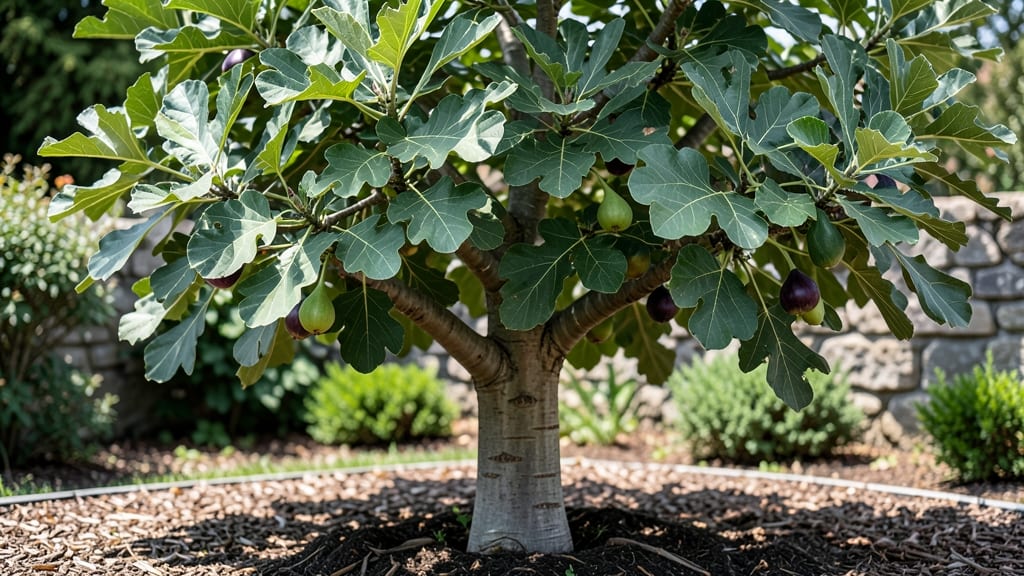
Your fig tree’s natural shape can transform into an elegant garden focal point—with the right cuts and timing. 🌿 I’ve shaped mine from a wild, tangled mess into a structured standard tree in just three seasons, and the key lies in understanding how figs respond to pruning.
Unlike many fruit trees, figs bloom on old wood, so we’re not hacking away growth—we’re guiding it with intentional cuts that encourage the shape you want while keeping the tree productive.
The secret isn’t aggressive pruning—it’s patience and precision. Start by selecting your desired shape: a single-trunk standard, a multi-trunk bush, or even an espaliered wall feature. For a standard tree, focus on removing competing branches early to establish one strong leader.
In warmer climates, prune right after harvest; in cooler zones, wait until late winter when the tree is dormant. Each cut should aim to open the canopy to sunlight while maintaining the tree’s natural vigor.
By year three, your fig tree will reward you with a structured silhouette that frames your garden like a living sculpture. The branches will hold their shape better, and the fruit will be easier to harvest.
You’ll notice fewer tangled limbs, more sunlight reaching the center, and a tree that looks intentional rather than wild. The best part? The tree’s resilience means even pruning mistakes won’t kill it—just guide your cuts with confidence.
This method works for both dwarf and standard fig varieties, whether you’re shaping a potted tree for a patio or a mature specimen in the landscape. The same principles apply to training figs against trellises or walls, just with smaller, more frequent adjustments.
Let’s get started—your fig tree’s new shape is just a few cuts away.
📚 In This Guide
- What you need
- Instructions
- Tips and common mistakes
- Wrapping up and next steps
What you need
- ● Pruning shears: Bypass pruners (for small branches, ¼"–¾" thick). Example: Felco F-2 or Corona 1000.
- ● Loppers: For branches ¾"–2" thick. Example: Fiskars X27 or Gonicc 4-in-1.
- ● Pruning saw: For thicker branches (2"+). Example: Fiskars X7 or Bahco Razor Saw.
- ● Disposable gloves: Heavy-duty, cut-resistant (e.g., Mechanix Wear or Filon).
- ● Rubbing alcohol (70%+) or bleach solution: 1 part bleach to 9 parts water (for sterilizing tools).
- ○ Pruning sealant: Optional but helpful for larger cuts (e.g., Tanglefoot Tree Wound Pruning Seal).
- ● Measuring tape: 10–25 ft (for assessing branch length and spacing).
- ● Notebook & pen: To track cuts, growth, and seasonal notes.
- ● Extension pole: For hard-to-reach branches (e.g., 6–10 ft telescoping pole).
- ● Ladder: Sturdy, non-slip (e.g., Little Giant or Werner). Safety first!
- ● Tree growth regulator: Like Prohibit (for controlling excessive growth in young trees).
- ● Camera or phone: To document progress before/after cuts.
How to sculpt a fig tree canopy in 3 years
Here's the method I've used to transform wild, sprawling figs into elegant, shaped trees—without sacrificing fruit production.
🌱 Step 1: Assess the Tree's Natural Growth Pattern
Start by observing your fig tree's growth for 2-3 weeks before making any cuts. Notice where the main branches grow—figs often develop a central leader or multiple strong limbs. I look for the strongest upward-growing branch (the future trunk) and 3-4 sturdy lateral branches that form the base of the canopy. These will become your primary structure.
Use a sharp pruning shears to make small test cuts on thin, upward-growing branches (called water sprouts). If the cut bleeds sap heavily, that branch has strong energy—keep it. If it barely bleeds, remove it entirely. This helps you identify which branches will support the shape you want.
✂️ Step 2: Prune for Structure During Dormancy
The best time to shape a fig tree is late winter or early spring, just before new growth begins. Remove dead, diseased, or crossing branches first—these compete with your design. For the central trunk, select one dominant branch and cut all others at their base. If no clear leader exists, choose the branch closest to the center of the tree.
For the canopy, prune back lateral branches to 1/3 of their length to encourage bushier growth. Avoid cutting into old wood—figs heal poorly from deep wounds. Instead, focus on younger growth that responds quickly. After pruning, clean your tools with rubbing alcohol to prevent spreading disease between cuts.
☀️ Step 3: Refine the Shape in Early Summer
Once the tree has new growth of 6-8 inches, it's time for a second round of shaping. Look for suckers (small shoots at the base) and water sprouts (vertical shoots). Remove these unless they're part of your design—figs grow fast, and unchecked growth will undo your work. Use hand pruners for small branches and loppers for thicker limbs up to 1.5 inches in diameter.
To encourage outward growth, cut the tip of the longest branch on each lateral limb. This forces the tree to send energy to side branches, creating a fuller canopy. Water the tree deeply after pruning to help it recover. You'll see new leaves emerge within 7-10 days—this is your signal that the tree is responding well.
🌿 Step 4: Maintain the Shape Through Annual Pruning
Every year, repeat the process in late winter to refine the shape. Focus on removing any branches that grow inward or cross over others—these create weak points and reduce airflow, which invites disease. Thin out 10-15% of the canopy each year to maintain balance. Figs are forgiving, but don't remove more than 25% of the tree's foliage in a single year.
In summer, do light maintenance pruning to keep the tree tidy. Remove stray shoots and overly long branches to maintain the silhouette. Figs fruit on new wood, so avoid heavy pruning in late summer—this can reduce next year's harvest. Instead, focus on shaping, not size reduction.
⏰ Step 5: Monitor and Adjust Over 3 Years
By year three, your fig tree should have a defined central trunk and a balanced canopy with 3-5 main branches. If some branches outgrow others, prune them back further to rebalance the tree. Figs respond well to gradual shaping, so never make drastic cuts—small, consistent adjustments yield the best results.
Watch for fruit production as a guide. If branches bear heavy crops but others are bare, they may need more light or pruning to redirect energy. A well-shaped fig tree will have evenly distributed fruit and a strong, open structure that lets sunlight reach all parts of the canopy. Celebrate small wins—like a perfectly placed branch or a fuller canopy—along the way.
Tips & tricks for perfect fig tree canopy shaping
These practical insights will help you avoid common pitfalls and achieve that dream garden silhouette.
Growth Observation: That 2-3 week observation period in Step 1 is crucial—don't rush it. I've seen gardeners make hasty cuts only to realize weeks later they removed a branch that would have been the perfect trunk. Take notes on branch angles and growth directions during this time. A simple sketch of your tree's structure can reveal patterns you might miss otherwise.
Pruning Timing Secret: Late winter/early spring pruning works best because fig trees are dormant, making them less stressed. If you must prune outside this window, avoid extreme heat or cold periods. I once pruned in late spring and noticed slower recovery—new leaves took twice as long to appear. Also, always prune on a dry day to prevent fungal infections from wet tools or branches.
Canopy Development: When pruning lateral branches back to 1/3 their length in Step 2, aim for outward-facing buds when making your cuts. These buds will grow into branches that create that beautiful rounded shape. I learned this the hard way after pruning inward-facing buds and ending up with a tree that looked like a broomstick with leaves. Think of it as directing the tree's energy outward rather than letting it grow straight up.
Summer Recovery: After your early summer pruning in Step 3, that deep watering is essential. I've found that giving the tree 1-2 gallons of water per inch of trunk diameter (measured at chest height) helps it recover faster. Look for new leaves appearing within 7-10 days as your confirmation that the tree is responding well. If you don't see new growth within two weeks, consider giving it a balanced fertilizer to support recovery.
Pro Tips for Fig Tree Shape
- These practical insights will help you avoid common pitfalls and achieve that dream garden silhouette.
- Growth Observation: That 2-3 week observation period in Step 1 is crucial—don't rush it.
- Pruning Timing Secret: Late winter/early spring pruning works best because fig trees are dormant, making them less stressed.
Frequently asked questions
Got questions about shaping your fig tree into a stunning, sculpted canopy? Here are some of the most common ones—and the answers you need to prune like a pro!
How often should I prune my fig tree to maintain its shape?
Prune your fig tree once or twice a year—ideally in late winter or early spring (before new growth) and again after harvest. Light shaping cuts in summer can help guide growth, but avoid heavy pruning then. Consistency is key: aim for 20-30% of the canopy per year to avoid shocking the tree.
Can I shape a fig tree in just 3 years?
Yes! With strategic cuts and patience, you can achieve a defined shape in 3 years. Focus on removing suckers, crossing branches, and water sprouts early, then gradually thin out the canopy. Young fig trees respond best to shaping—just avoid over-pruning, which can delay fruiting.
What’s the best tool for shaping a fig tree?
Use sharp, clean pruners or loppers for small branches (up to 1-inch thick) and a pruning saw for thicker limbs. Disinfect tools with rubbing alcohol between cuts to prevent disease. Never use hedge trimmers—they tear bark and damage the tree.
Will pruning affect my fig tree’s fruit production?
If done correctly, pruning boosts fruit quality and yield by improving airflow and sunlight. However, over-pruning (especially in the first year) can reduce harvests. Focus on removing dead or weak wood first, then shape the canopy. Figs on young trees may take a year to rebound after heavy cuts.
What if my fig tree keeps growing back in unwanted shapes?
If your tree reverts to its natural shape, you’re likely not pruning aggressively enough. Trim back new growth consistently—especially suckers at the base—and use tie-downs or stakes to guide branches into your desired form. For stubborn regrowth, try selective thinning in early spring.
Wrapping up and next steps
Transforming your fig tree into a stunning, sculpted canopy in just three years is absolutely achievable with patience, the right tools, and a little creativity! 🌿 By mastering strategic cuts—like selective thinning and structural shaping—you’ll encourage lush growth while maintaining balance and health.
Remember, every trim is a step toward the tree you envision.
Ready to roll up your sleeves? Start small—pick one branch this season to practice your cuts, then build confidence as you refine your technique. Before you know it, your fig tree will be the showstopper of the garden! 🌟
- Pro Tip: Sketch your ideal shape first—it’s your roadmap to success!
- Next Step: Grab your pruners and schedule your first cut this weekend!