
Trees
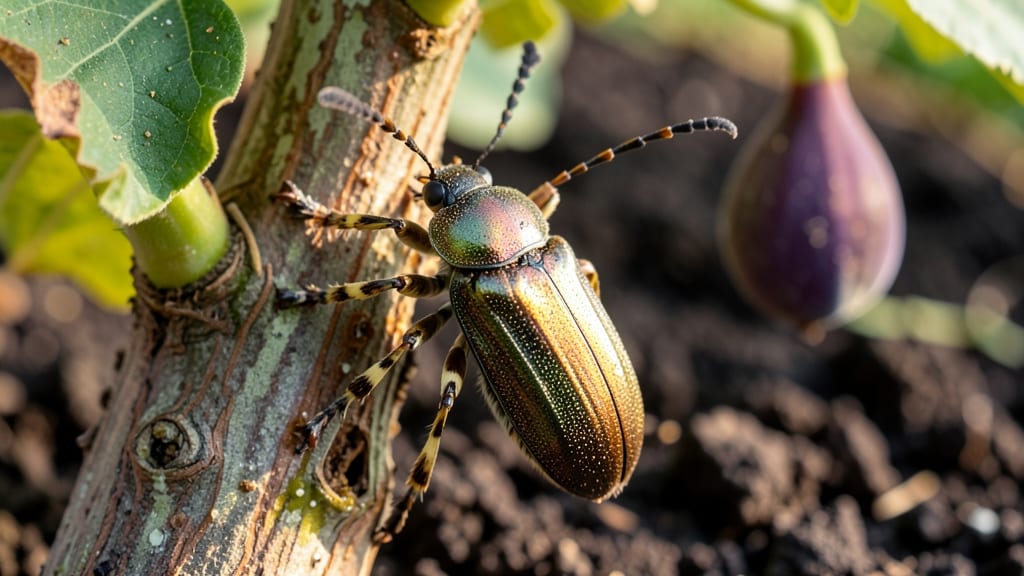
Fig tree borers turn your sweet harvest into a sad, sawdust-filled mess—unless you act fast. 🌿 I’ve battled these sneaky pests and learned the three simple steps that actually work, without harsh chemicals. The key is catching them early, before they tunnel deep into the trunk.
You’ll spot the damage first: tiny holes in the bark, sawdust-like frass at the base, or sudden wilting even when the tree has water. Borers strike stressed trees, so proper pruning, watering, and mulching are your first line of defense.
But once they’re in? A mix of organic treatments—like neem oil or beneficial nematodes—can save your tree.
By the time you finish these steps, your fig tree will be back to thriving, with no more mysterious holes or weakened branches. The best part? These methods work for other fruit trees too, so you’re future-proofing your whole orchard.
No more guessing—just a clear, foolproof plan to kick borers out for good. Let’s get your tree healthy again.
Root Causes of Tree Damage
Understanding why wood-boring insects like the fig tree borer target your trees is the first step to stopping them. These pests don’t attack randomly—they’re drawn by specific conditions that make your fig trees vulnerable. Below, we break down the key triggers and how they create the perfect environment for infestation.
A stressed or unhealthy fig tree is like an open invitation for borers. These insects thrive where the tree’s natural defenses are compromised. Here’s how it happens:
- Nutrient Deficiencies 📊 Borers detect trees struggling to absorb essential nutrients, like nitrogen, phosphorus, or potassium. A simple soil test can reveal imbalances—look for yellowing leaves, stunted growth, or weak branches as red flags.
- Water Stress 💧 Overwatering or drought weakens the tree’s vascular system, making it easier for larvae to tunnel through sapwood. Pro tip: Mulch properly (2–4 inches deep) to retain moisture while preventing root rot.
- Fungal or Bacterial Infections 🍄 Fungal diseases (e.g., root rot) or bacterial infections create entry points for borers. Check for oozing sap, cankers, or mushrooms at the tree’s base—these are signs the tree is already compromised.
Borers exploit any disruption to a tree’s bark or bark layers. Even minor wounds can become gateways:
- Improper Pruning ⚠️ Cutting too close to the trunk (within 1–2 inches) leaves jagged edges that don’t heal properly. Always use clean, sharp tools and make cuts at a 45-degree angle just outside the branch collar.
- Storm or Hail Damage 🌪️ Broken branches or cracked bark expose the inner wood to moisture and pests. Remove damaged limbs promptly and seal wounds with pruning paint (optional but helpful for large cuts).
- Animal or Tool Scratches 🐿️ Rabbits, deer, or even lawnmowers can strip bark, creating entry points. Inspect the trunk regularly for smooth, shallow grooves—these are early warning signs.
Borers are opportunistic, and certain environmental factors make your fig tree a prime target:
- Overcrowded Plantings 🌳🌳 Trees growing too close compete for resources, weakening their immune response. Space fig trees 15–20 feet apart to improve airflow and reduce stress.
- Poor Drainage 🚰 Waterlogged soil suffocates roots, making trees susceptible to borers. Amend heavy clay soil with compost or sand to improve drainage.
- Climate and Seasonal Factors ☀️🌧️ Hot, dry summers or sudden temperature swings stress trees, lowering their resistance. In late spring to early summer, borers are most active—this is when preventive measures (like beneficial nematodes) work best.
Borers don’t act alone—they’re part of a larger ecosystem:
- Lack of Natural Predators 🐞 Birds, parasitic wasps, and ground beetles keep borer populations in check. If your yard lacks biodiversity, borers multiply unchecked. Plant native shrubs or install birdhouses to attract predators.
- Infested Firewood or Mulch 🪵 Borers can hitchhike on untreated wood. Always use certified heat-treated mulch and avoid stacking firewood near trees.
- Previous Infestations 🔄 If borers have attacked before, they’ll return. After treatment, monitor for frass (sawdust-like debris) near the trunk—this is a sure sign of reinfestation.
The sooner you catch borers, the easier they are to eliminate. Watch for:
- Sawdust-like frass near the trunk or branches.
- Wilting leaves despite adequate water.
- Oozing sap or resin from small holes in the bark.
- Weak, dying branches that snap easily.
Actionable tip: Tap the trunk with a hammer—if it sounds hollow, borers are likely tunneling inside. 🔨💥
Quick Fixes for Tree Boredom
If your fig tree is under siege by wood-boring pests, don’t panic—there are practical, organic ways to reclaim its health. The key is acting fast and targeting the root causes: whether it’s entry holes, sawdust-like frass, or weakened branches.
Below, we break down the most effective solutions by problem, with step-by-step instructions and prevention tips to keep your tree thriving.
Prevention is your first line of defense. Borers are drawn to stressed or damaged trees, so start by making your fig tree less appealing—and more resilient.
- 🌱 Strengthen the Tree’s Defense
- Water deeply but infrequently to avoid soggy soil (borers love moisture-stressed wood). Aim for 1–2 inches per week, especially during dry spells.
- Apply a 2–3 inch layer of mulch around the base (but not touching the trunk) to regulate soil temperature and retain moisture.
- 💡 Pro Tip: Use compost or wood chips—they improve soil health and deter pests naturally.
- 🚫 Block Entry Points
- Seal fresh borer holes with a mix of beeswax and turpentine (or a commercial organic wood sealant). This suffocates larvae and prevents new eggs from hatching.
- For larger wounds, apply pruning sealant (ensure it’s petroleum-free) to protect exposed wood.
- 🌿 Confuse the Pests
- Hang pheromone traps (like those for fig borers) near the tree to disrupt mating cycles. Replace them every 4–6 weeks for best results.
- Plant companion plants like marigolds, basil, or lavender around the base—their scents repel borers.
If borers are already inside, you’ll need to physically remove them. This method works best for small to medium infestations and requires patience.
- 🔍 Identify Active Holes
- Look for small, round holes (about the size of a pencil tip) with sawdust-like frass (borer poop) oozing out.
- Tap the branch gently—if it sounds hollow, larvae are likely inside.
- 🪓 Drill Out the Larvae
- Use a 1/8-inch drill bit to bore into the hole (go deeper than the hole appears). This kills larvae on contact.
- For larger branches, use a hand auger or wooden skewer dipped in neem oil to stab into the hole.
- ⚠️ Safety First: Wear gloves and eye protection—borer frass can irritate skin and eyes.
- 🧽 Clean and Treat
- Remove all frass and debris with a brush or vacuum (don’t leave it near the tree—it can reinfest!).
- Apply undiluted neem oil or food-grade diatomaceous earth into the hole to suffocate any remaining eggs or larvae.
For a non-toxic but effective approach, these sprays target borers at every life stage—eggs, larvae, and adults.
| Solution | How to Use | Best For |
|---|---|---|
| Neem Oil Spray |
|
Eggs, larvae, and adult borers |
| Beneficial Nematodes |
|
Larvae in the soil or early-stage infestations |
| Spinosad Spray |
|
Adult borers and new hatchlings |
💡 Pro Tip: For severe infestations, combine nematodes + neem oil for a two-pronged attack.
After eliminating the borers, focus on restoring your fig tree’s health so it can resist future attacks.
- 🌿 Prune Strategically
- Remove heavily infested branches (cut 6 inches below the damage to ensure all larvae are gone).
- Sterilize pruners with rubbing alcohol between cuts to prevent spreading disease.
- 💧 Hydrate and Fertilize
- Apply a balanced organic fertilizer (like fish emulsion or compost tea) to boost immunity.
- Ensure the tree gets 6+ hours of sunlight daily—weak, shaded trees are more vulnerable.
- 🛡️ Monitor Regularly
- Inspect the tree monthly for new holes or frass.
- Keep a journal of treatments and results to track progress.
✨ Final Thought: With consistent care, your fig tree can bounce back stronger. The key is speed + prevention—don’t wait until the borers take over!
Frequently asked questions
What do fig tree borer holes look like?
Fig tree borer holes are typically 1/16 to 1/8-inch wide and round, often with tiny piles of sawdust-like frass (borer waste) around them. Look for fresh holes with oozing sap—these indicate active infestations. Older holes may be partially sealed with callus tissue.
Can I save a fig tree already heavily infested with borers?
Yes, but you’ll need to act quickly. Remove all heavily damaged branches 6 inches below the infestation, drill out larvae with a 1/8-inch bit, and apply neem oil or beneficial nematodes. For severe cases, consider consulting an arborist—some trees may need structural support while recovering.
How often should I apply neem oil to prevent borers?
Apply neem oil spray every 7-10 days during active borer season (spring to summer). Mix 1 tablespoon neem oil + 1 teaspoon mild soap + 1 quart water. Reapply after heavy rain or if the tree looks stressed. Consistency is key—borers can reinfest quickly if treatment stops.
Will pruning alone stop fig tree borers?
No, pruning helps but won’t eliminate borers on its own. Always cut 6 inches below visible damage to remove larvae, then treat the wounds with pruning sealant. Combine pruning with neem oil applications or beneficial nematodes for best results. Healthy pruning also reduces stress, making trees less attractive to borers.
Are there any chemical-free ways to deter fig tree borers?
Plant marigolds, lavender, or basil near your fig tree—their scents repel borers naturally. You can also use pheromone traps to disrupt mating cycles or apply food-grade diatomaceous earth around the base. Regularly inspecting the trunk and sealing fresh wounds with beeswax-turpentine mix also works well.