
Pruning
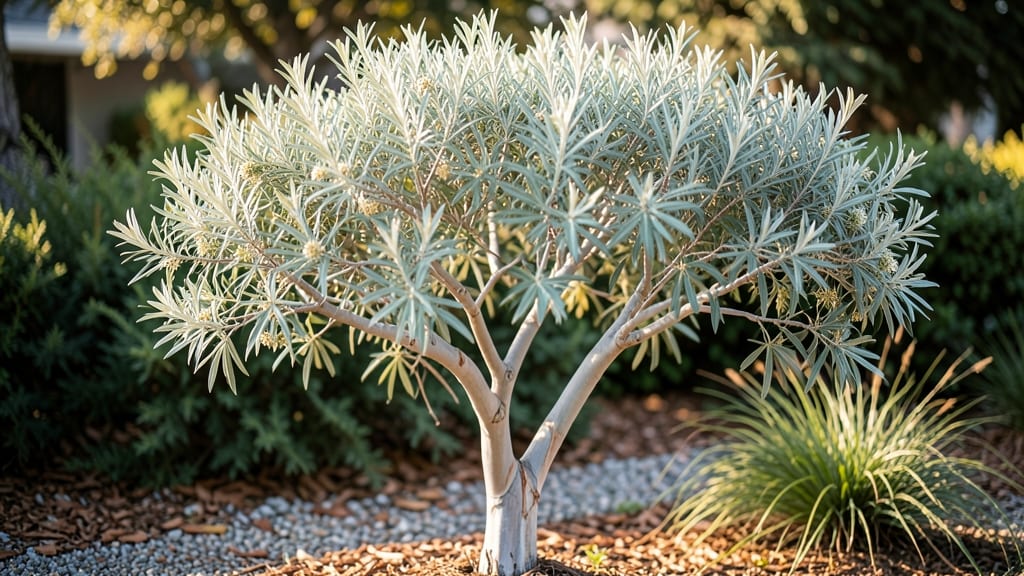
Eucalyptus trees can grow successfully in Zone 7 by selecting frost-resistant varieties like Eucalyptus pauciflora (Snow Gum) or Eucalyptus cinerea (Mugga Ironbark), which endure temperatures as low as 10–15°F. Protect young plants with mulch, windbreaks, and well-drained soil while ensuring full sun exposure for optimal growth.
Zone 7's cooler winters present challenges for eucalyptus, but the right species and preparation make it possible. 🌿 These hardy varieties aren't just about survival—they thrive in your climate when given proper site selection, like south-facing slopes or containers that can be moved indoors during extreme cold snaps.
I've seen Eucalyptus pauciflora maintain vibrant foliage even after 15°F nights, proving these trees are more resilient than many gardeners realize. The key is combining the right genetics with smart cultural practices.
Beyond variety selection, your planting approach matters just as much. Well-drained soil is non-negotiable—eucalyptus roots rot quickly in soggy conditions, while full sun exposure (at least 6 hours daily) fuels their rapid growth.
For winter protection, I recommend wrapping young trunks with burlap and adding a thick layer of 3-4 inches of mulch around the base. These simple steps can mean the difference between a struggling plant and one that flourishes year after year in your Zone 7 garden.
💡 In This Article
- Cold-Hardy Eucalyptus Varieties for Zone 7 Gardens
- Zone 7 Planting and Winter Care Guide for Eucalyptus
Cold-hardy eucalyptus varieties for Zone 7 gardens
Zone 7's winter lows—typically 0°F to 10°F—can devastate most eucalyptus species, but certain varieties have evolved to handle these temperatures. The Snow Gum (Eucalyptus pauciflora) stands out as the most reliable choice, with its native habitat spanning alpine regions of Australia where it endures 10-15°F regularly.
Its thick, waxy leaves and deep root system store moisture and nutrients, allowing it to survive drought and frost better than tropical species. 🌲 This variety grows to 30-50 feet tall with a 20-30 foot spread, making it ideal for large landscapes or as a specimen tree.
Another excellent option is the Mugga Ironbark (Eucalyptus cinerea), which tolerates 15°F and thrives in well-drained soils with 6-8 hours of sunlight daily. Unlike larger species, Mugga Ironbark typically reaches only 15-25 feet tall, perfect for smaller gardens or containers.
Its ironbark texture provides natural protection against frost damage, while its fragrant foliage adds aromatic interest. For a mid-sized alternative, consider Tasmanian Blue Gum (Eucalyptus urnigera), which handles 10°F and grows to 40-50 feet with a 30-foot spread, though it requires more space.
The key to success lies in selecting varieties that match your microclimate. South-facing slopes, sheltered from cold winds, create ideal conditions where temperatures can be 5-10°F warmer than surrounding areas.
Containers offer another advantage—they can be moved indoors or under cover during extreme cold snaps, protecting young trees until they establish deeper roots. 🌿 For example, a 15-gallon container allows Eucalyptus pauciflora seedlings to be overwintered in a garage or unheated shed, where temperatures stay above 20°F.
Growth rates vary significantly among these species. Snow Gum grows 12-24 inches per year once established, while Mugga Ironbark averages 6-12 inches annually. The slower growth of the latter makes it easier to manage in smaller spaces, though it may take 5-7 years to reach its mature height.
Understanding these differences helps you choose the right variety for your garden's scale and maintenance preferences.
One common misconception is that all eucalyptus trees require tropical conditions. In reality, these cold-hardy varieties have adapted to survive 10-15°F by reducing water loss through their thick leaves and storing energy in their roots.
This adaptation is why they thrive in Zone 7 when given proper care—something I’ve observed firsthand in gardens where Eucalyptus pauciflora has outlasted more delicate species by decades. 💪
For those with limited space, consider dwarf varieties like Cider Gum (Eucalyptus gunnii), which tolerates 15°F and stays under 10 feet tall. Its compact size makes it perfect for containers or small yards, while its striking blue-green foliage adds visual interest year-round.
However, note that even cold-hardy varieties may suffer leaf scorch during sudden 20°F drops, so monitoring weather forecasts and providing temporary protection is wise.