
Pruning
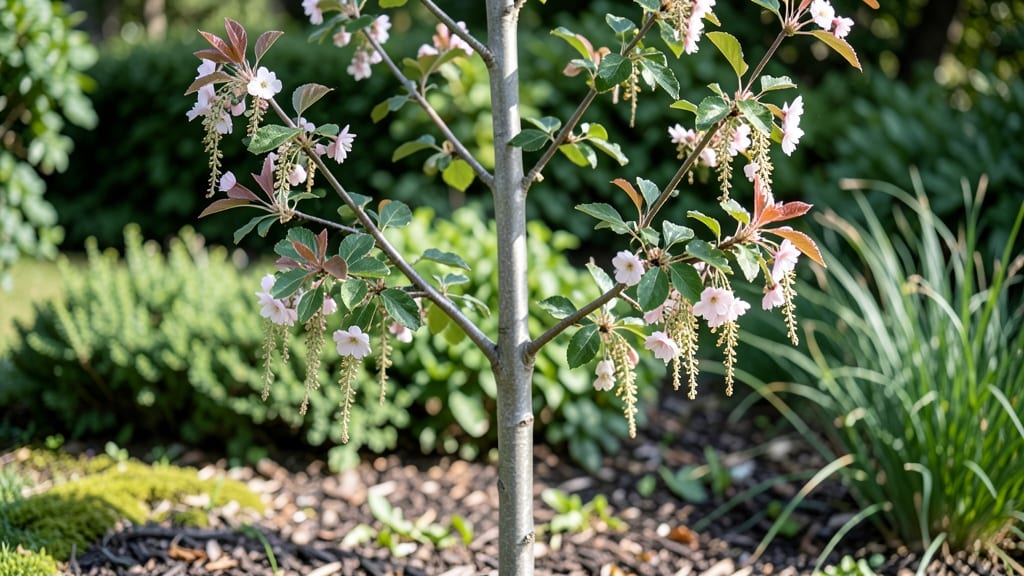
Young crabapple trees need pruning to grow strong and shaped—this is how I shape mine every spring. ✂️ The first few years set the foundation for a sturdy, attractive tree that produces fruit for decades.
I’ve learned that skipping pruning now means struggling with weak branches later, so I start early with simple cuts that encourage upward growth and air circulation.
Focus on removing any crossing or inward-growing branches first—they’ll compete for sunlight and weaken the tree’s structure. Use clean, sharp pruners to make cuts just above outward-facing buds, about 1/4 inch above the bud.
This small detail makes a huge difference in how the tree fills out over time. I also prune out any dead or damaged wood immediately, as it can invite pests and disease.
By summer, you’ll notice new growth filling in gaps where you made cuts, and the tree will start developing a natural, balanced shape. The key is patience—avoid over-pruning, as young crabapples are still building their root systems.
A little effort now means a healthier, more productive tree in just a few years.
This method works for most crabapple varieties, whether you’re growing in full sun or partial shade. The first winter after planting is critical—mulch around the base to protect roots from freezing temperatures. With consistent care, your young crabapple will reward you with vibrant blooms and fruit for seasons to come.
📚 In This Guide
- What you need
- Instructions
- Tips and common mistakes
- Wrapping up and next steps
What you need
- ● Pruning shears: Bypass pruners (for cuts up to ½ inch in diameter). Example: Felco F-2 or Corona 3-in-1.
- ● Loppers: 1 pair (for branches ½ to 1½ inches thick). Look for: Long handles (20+ inches) for leverage.
- ● Pruning saw: 1 (for thicker branches 1½+ inches). Tip: Choose a curved blade for smoother cuts.
- ● Disinfectant: 70% isopropyl alcohol or a pruning sealant (to prevent disease spread).
- ● Gloves: 1 pair of cut-resistant, breathable gloves (e.g., Mechanix or leather work gloves).
- ● Safety gear: Safety glasses (to shield from debris).
- ● Long sleeves/pants (to protect from thorns or sap).
- ○ Ladder (optional but helpful): Lightweight, extendable ladder (if tree exceeds 6 feet tall). Safety note: Use a sturdy, 3-sided ladder for stability.
- ● Rubbing alcohol wipes: For quick disinfection between cuts.
- ● Pruning paint: (e.g., Tree Seal or Tanglefoot) to seal large cuts and prevent disease.
- ● Marking twine or tape: To flag branches for removal before cutting.
- ● Garden hose: For rinsing tools post-pruning.
- ● Disposable bags: For collecting debris (or a wheelbarrow if hauling larger branches).
Instructions for pruning young crabapple trees
Here's how I shape young crabapple trees for a sturdy, picturesque form—no fancy tools needed.
✂️ Step 1: Remove Dead or Crossing Branches First
Start by inspecting the tree for any dead branches—they’ll be brittle and snap when bent. Cut these out cleanly at the branch collar, the swollen area where the branch meets the trunk. You’ll notice crossing branches (those growing toward each other) next. Remove the smaller of the two to prevent future rubbing wounds.
Use sharp pruning shears for cuts larger than ¼ inch in diameter. For thicker branches, switch to a pruning saw. Make cuts at a 45-degree angle just outside the branch collar. Never leave stubs—they invite disease and rot.
✂️ Step 2: Thin Out Overcrowded Growth
Young crabapple trees often grow with crowded branches competing for sunlight. Look for branches growing straight up or down from the main trunk—these are called "water sprouts" and should be removed entirely. Aim to space branches 12-18 inches apart along the trunk for proper air circulation.
Focus on the lower third of the tree first. You’ll see a natural open-center form emerge as you thin. Never remove more than 25% of the tree’s foliage in one session—this ensures the tree retains enough energy to heal properly.
☀️ Step 3: Shape the Tree’s Natural Form
Crabapple trees develop a beautiful, rounded canopy when guided properly. Identify the strongest, well-placed branches that form the tree’s skeleton. These should be spaced evenly around the trunk, like spokes on a wheel. Trim back any branches that grow inward or downward to maintain an open center.
For lateral branches, cut just above an outward-facing bud to encourage growth in the right direction. If a branch is too long, shorten it to a side branch or bud that points where you want new growth. Avoid "heading back" (cutting back to a stub)—this creates weak growth.
⏰ Step 4: Prune at the Right Time for Best Results
Prune young crabapple trees in late winter or early spring, just before new growth begins. This timing ensures the tree heals before the growing season starts. Avoid pruning in fall—new growth can’t harden off before winter, making it vulnerable to cold damage.
If you notice suckers (shoots growing from the base or roots), remove them immediately. These compete with the main tree for nutrients. After pruning, clean your tools with rubbing alcohol to prevent spreading disease between cuts.
Tips & tricks for pruning young crabapple trees
Shaping young crabapple trees takes patience—here's how to avoid common mistakes and create a sturdy, healthy framework.
Tool Selection: Always use sharp tools for clean cuts. Dull pruners crush branches, causing unnecessary damage and inviting disease. I keep a small folding saw in my toolkit specifically for branches thicker than ½ inch—they cut through cleanly without tearing. For smaller branches, my pruning shears handle everything with precision, and I always wipe them down with rubbing alcohol between cuts to prevent spreading pathogens.
The 25% Rule: Never remove more than 25% of the tree's foliage in one session. This guideline prevents stressing the tree and ensures it has enough energy to heal properly. I mark the branches I plan to remove with a piece of twine before cutting—this visual helps me stay within the limit. Remember, young trees are still building their root systems, so they need all the leaves they can get for photosynthesis.
Branch Collar Awareness: The branch collar is your best friend when pruning. Cut just outside this swollen area where the branch meets the trunk to promote proper healing. I trace the collar with a pencil before cutting to ensure I'm making my cut in the right place. Never leave stubs—these create entry points for disease and weaken the tree's structure over time. The 45-degree angle helps water shed properly from the cut surface.
Seasonal Timing: Late winter or early spring is ideal for pruning, but if you must prune at other times, avoid late summer or fall. New growth in fall can't harden off properly before winter, making it vulnerable to cold damage. I always check my local frost dates and aim to prune at least 2-3 weeks before the last expected frost. This timing gives the tree enough time to seal cuts before winter sets in.
Pro Tips for Crabapple Tree Young
- Shaping young crabapple trees takes patience—here's how to avoid common mistakes and create a sturdy, healthy framework.
- Tool Selection: Always use sharp tools for clean cuts.
- The 25% Rule: Never remove more than 25% of the tree's foliage in one session.
Frequently asked questions
Got questions about nurturing a young crabapple tree? Here are answers to the most common concerns—from pruning to pests—so you can keep your tree thriving!
When is the best time to prune a young crabapple tree?
The ideal time is late winter or early spring (before buds swell) to encourage strong growth. Avoid pruning in fall, as it can stimulate new growth that’s vulnerable to cold. For minor shaping, summer pruning is fine, but avoid heavy cuts—focus on removing dead, crossing, or weak branches.
How much should I prune off a young crabapple tree?
For a 1-3 year old tree, aim to remove no more than 15-25% of the foliage per year. Over-pruning stresses young trees. Focus on structural shaping—cut back competing leaders (vertical branches) to one strong branch to avoid a weak, multi-trunked tree. Thin out crowded branches to improve airflow and reduce disease risk.
What pests or diseases should I watch for in young crabapple trees?
Keep an eye out for aphids, scale insects, and borers, which weaken saplings. Fire blight (blackened branches) and apple scab (fuzzy spots on leaves) are also common. Preventative tip: Clean pruning tools with rubbing alcohol between cuts, and remove fallen leaves to reduce fungal spores. Apply horticultural oil in early spring if pests appear.
Can I prune a crabapple tree too much? What are the signs?
Yes! Over-pruning shows as stunted growth, sparse foliage, or weak branches. If your tree looks leggy, bare, or struggles to produce flowers/fruit, you’ve likely cut too much. Rule of thumb: Never remove more than 25% of the canopy in one season. Young trees recover slowly—patience and light pruning yield the best results!
Are there alternatives to pruning if my young crabapple tree is already misshapen?
If pruning isn’t an option (e.g., due to time or fear of harm), consider training branches with ties or stakes to guide growth. For severe issues, consult an arborist—they can assess whether the tree’s structure is salvageable or if removal is the kindest option. Pro tip: Planting a supporting stake early helps prevent weak forks and encourages a single strong leader.
Wrapping up and next steps
Growing a young crabapple tree into a stunning, healthy centerpiece is totally within your reach—with the right pruning know-how! 🌿 By mastering the basics of shaping, disease prevention, and seasonal care, you’ll set your tree up for decades of beauty and resilience.
Start small, stay consistent, and watch your crabapple thrive.
Ready to take the next step? Grab your pruners and schedule your first pruning session—spring or winter is ideal! For extra confidence, sketch a simple branch map before you begin. Happy pruning!