
Pruning
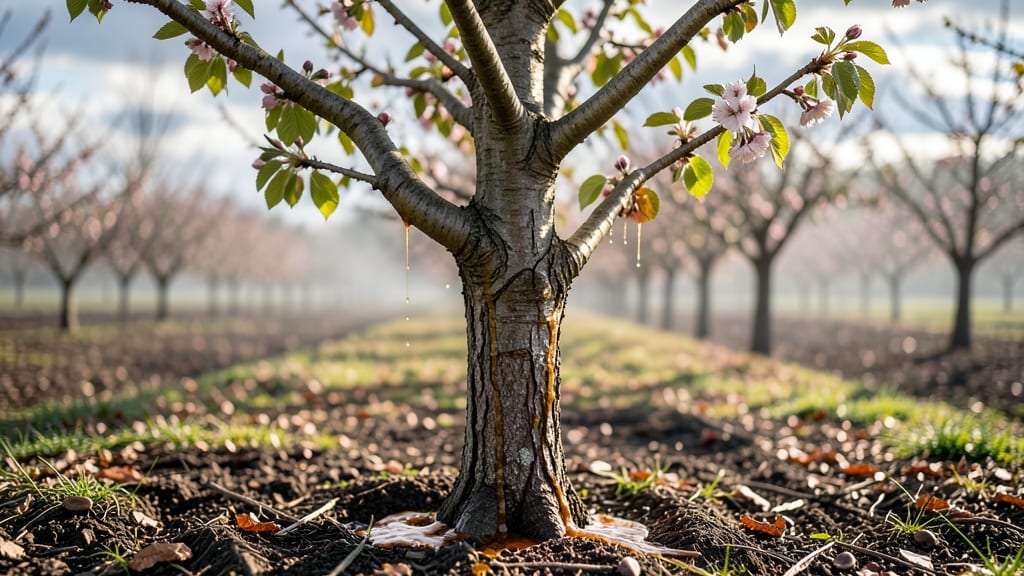
Your cherry tree oozing sap isn't just messy—it could signal stress or infection. 🌳 I've seen this sap turn from clear to dark, and the difference between a quick fix and a dying tree often comes down to what's causing it.
The good news? Most cases are treatable with the right approach, and early action prevents long-term damage.
Sap bleeding usually starts at the base or branches, often after cold snaps or when the tree wakes up from dormancy. It can be harmless (like winter stress), but sticky, foul-smelling sap with cankers or oozing wounds?
That’s a red flag for bacterial infections like silver leaf disease. Don’t panic—identifying the cause is half the battle, and I’ll walk you through the key signs to look for.
Pruning infected branches, applying copper-based fungicides, and improving drainage can stop the flow and heal your tree. I’ve revived trees that looked hopeless with these steps, and the best part?
Prevention is simple—just a few seasonal checks. By the end, your tree will be stable, and that sticky mess will be a thing of the past.
Whether it’s a young sapling or a mature tree, the same principles apply. Let’s get your cherry tree healthy again—no guesswork, just actionable fixes you can start today.
Root Causes Of Sap Bleeding
When your cherry tree starts oozing sap like a maple syrup factory gone rogue, it’s usually a sign that something’s off beneath the surface—or even inside it. Understanding the why behind this sticky situation is the first step to fixing it.
Below, we break down the most common culprits, from environmental stress to internal damage, with science-backed explanations to help you diagnose the problem accurately.
Cherry trees are sensitive to rapid temperature swings, especially in early spring when sap begins flowing. When warm days follow freezing nights, the tree’s vascular system struggles to keep up. This causes xylem vessels (the tree’s plumbing) to burst under pressure, releasing sap as a byproduct of stress.
- How it happens: Cold nights slow sap flow, while sudden warmth revs up metabolic activity. The tree can’t adjust fast enough, leading to bleeding at branch wounds or bark cracks.
- Tell-tale signs:
- Sap oozing from multiple branches or the trunk base.
- Occurs in early spring (March–April in most climates).
- No visible pests or fungal growth (yet).
- Actionable fix:
- Apply tree wound dressing (like Tanglefoot or pruning sealant) to active leaks to prevent bacterial entry.
- Mulch the root zone with 4–6 inches of organic mulch (wood chips or straw) to insulate roots and stabilize soil temps.
- Water deeply before a cold snap to help the tree withstand temperature shocks.
Sap bleeding isn’t always just about weather—sometimes, it’s an uninvited houseguest causing the mess. Insects like borers or sap-sucking pests (e.g., aphids, scale insects) create entry points, while fungi like cytospora canker or silver leaf fungus clog the tree’s vascular system. The result? Sap leaks as the tree fights back.
| Culprit | How It Triggers Sap | What to Look For |
|---|---|---|
| Wood-boring beetles (e.g., flathead borers) | Larvae tunnel into the xylem, disrupting water flow and causing pressure leaks. |
|
| Cytospora canker fungus | Fungal spores enter through pruning wounds or bark cracks, blocking vessels and forcing sap out. |
|
| Aphids or scale insects | Pests pierce bark to feed on sap, creating weak spots that leak when pressure builds. |
|
💡 Pro Tip: If you suspect pests, prune out infected branches 6+ inches below the damage and sterilize tools with rubbing alcohol to avoid spreading pathogens.
Every cut you make to a cherry tree leaves a wound—and if it’s not done right, that wound can become a sap factory.
Improper pruning (like topping or tearing bark) exposes the cambium layer (the tree’s growth engine), which triggers excessive sap flow as the tree tries to heal.
- Common mistakes:
- Cutting too close to the trunk (within 1–2 inches), removing bark strips.
- Using dull tools that crush instead of cleanly severing wood.
- Pruning in late fall/winter when the tree is dormant but still vulnerable.
- How to fix it:
- Make cuts at a 45-degree angle, 1/4-inch above a branch collar (the swollen area where the branch meets the trunk).
- Use sharp, clean pruners (bypass pruners for branches >1/2 inch thick).
- Seal large wounds (>2 inches wide) with pruning sealant to reduce sap loss and infection risk.
✨ Remember: Cherry trees bleed the most when pruned in early spring (just before buds swell). If you must prune now, do it on a cool, dry day to minimize stress.
Healthy roots = happy sap flow. But when roots struggle—due to compacted soil, drought, or poor drainage—the tree’s entire system gets thrown off balance. This can lead to excessive sap pressure as the tree desperatly tries to transport water and nutrients.
- Signs of root stress:
- Sap oozing from the base of the trunk.
- Wilting leaves despite moist soil (a sign of root rot or girdling roots).
- Soil that’s waterlogged or rock-hard when dry.
- Solutions:
- Aerate compacted soil with a manual aerator or gypsum amendments (for clay soil).
- Improve drainage by amending soil with compost or creating a swale to redirect water.
- Water deeply 1–2 times per week (1–2 inches per session) during dry spells.
🌡
Fix Sap Bleeding Naturally
Now that you know why your cherry tree is oozing sap, it’s time to take action! The good news? Most causes are easy to fix with the right approach. Below, we’ve mapped out practical solutions for each common trigger—plus prevention tips to keep your tree healthy long-term.
If aggressive cuts or physical damage caused the sap bleeding, your tree needs time to heal—and a little extra care.
How to Fix It: ✅ Stop Pruning Now – Avoid cutting branches for at least 4–6 weeks to let the tree recover. Focus on light shaping (no major removals) if necessary. ✅ Seal the Wound (If Needed) – For fresh cuts, apply pruning sealant (like Tanglefoot Tree Wound Pruning Seal) to prevent pests or disease from entering. Skip this for small branches—they’ll heal on their own! ✅ Water Deeply – Give the tree 1–2 inches of water per week (deep soak, not surface sprinkling) to support healing.
💡 Pro Tip: If the bleeding is heavy, wrap the wound with tree wound dressing (like a breathable bandage) to protect it while it closes.
Sudden cold snaps or warm-up cycles stress trees, leading to sap leaks.
How to Fix It: ✅ Mulch Properly – Add 2–3 inches of mulch (wood chips or straw) around the base (but not touching the trunk) to insulate roots. ✅ Protect Young Trees – Wrap the trunk in burlap or tree guard during winter to shield against freezing winds. ✅ Avoid Fertilizing Now – Hold off until spring—stressed trees can’t handle extra nutrients.
💡 Pro Tip: If frost damaged branches, prune them in late winter (after the last frost) to encourage new growth.
Sap oozing can signal an underlying pest (like borers) or fungal issue.
How to Fix It: ✅ Inspect for Pests – Look for sawdust-like frass, holes, or tunnels in the bark. If you spot borers, treat with neem oil or beneficial nematodes. ✅ Remove Infected Branches – Cut off heavily damaged limbs (sterilize pruners with rubbing alcohol between cuts). ✅ Apply Fungicide (If Needed) – For fungal infections (like canker), use a copper-based fungicide early in the season.
💡 Pro Tip: Birds can spread pests! Hang reflective tape or netting to deter them.
Compacted soil, poor drainage, or root damage can force sap to escape.
How to Fix It: ✅ Aerate the Soil – Use a garden fork to loosen compacted soil around the root zone (6–12 inches deep). ✅ Improve Drainage – If water pools near the base, amend soil with compost or plant in a slightly raised bed. ✅ Fertilize Lightly – Use a balanced, slow-release fertilizer (like 10-10-10) in early spring to rebuild strength.
💡 Pro Tip: Mulch volcanoes hurt trees! Keep mulch 3–4 inches deep and 6 inches away from the trunk.
Once your tree stops bleeding, keep it thriving with these habits:
- Prune in Late Winter/Early Spring – Avoid heavy cuts in fall or winter.
- Monitor for Stress Signs – Wilting, yellow leaves, or excessive sap mean it’s time to act.
- Water Consistently – Deep, infrequent watering > shallow daily sprinkles.
- Avoid Physical Damage – Keep lawn equipment away from the trunk and branches.
Final Thought: Most sap bleeding stops on its own within a few weeks, but early action prevents bigger problems. If the oozing persists beyond a month or you see mushrooms at the base, consult an arborist—it could signal root rot or a serious infestation.
Now grab your tools and give your cherry tree the TLC it deserves! 🌳✨
Frequently asked questions
Is cherry tree sap bleeding always a sign of disease?
Not necessarily! Many cases are harmless, especially in early spring when temperature swings cause temporary stress. Look for other symptoms: if the sap is clear and no cankers or pests appear, it’s likely just seasonal stress. Dark, foul-smelling sap with visible wounds? That’s a red flag for infection or pests.
How long should I wait before pruning after my tree stops bleeding?
Give your tree at least 4-6 weeks of recovery time before pruning again. This lets wounds heal and reduces stress. If you must prune sooner, focus only on dead or diseased branches—avoid major cuts that could restart the bleeding.
Can I use household items to stop sap bleeding?
For minor leaks, yes! Try wrapping the wound with tree wound dressing (available at garden stores) or even clean, damp cloth secured with plastic wrap. For larger wounds, commercial pruning sealant works best. Avoid petroleum jelly or duct tape—these trap moisture and worsen rot.
Why does my cherry tree ooze more sap in spring?
Spring is when trees wake up from dormancy, and rapid temperature changes create pressure in the xylem vessels. This natural sap flow is called "bleeding" and is common in many tree species. If it’s excessive or accompanied by other symptoms, check for underlying issues like pests or fungal infections.
Will sealing wounds prevent future sap leaks?
Sealing wounds helps, but it’s not a permanent fix—it’s more about preventing infection. For long-term solutions, focus on proper pruning techniques (clean cuts at the branch collar) and maintaining tree health. The best sealant is a healthy tree that can heal itself!