
Blooming
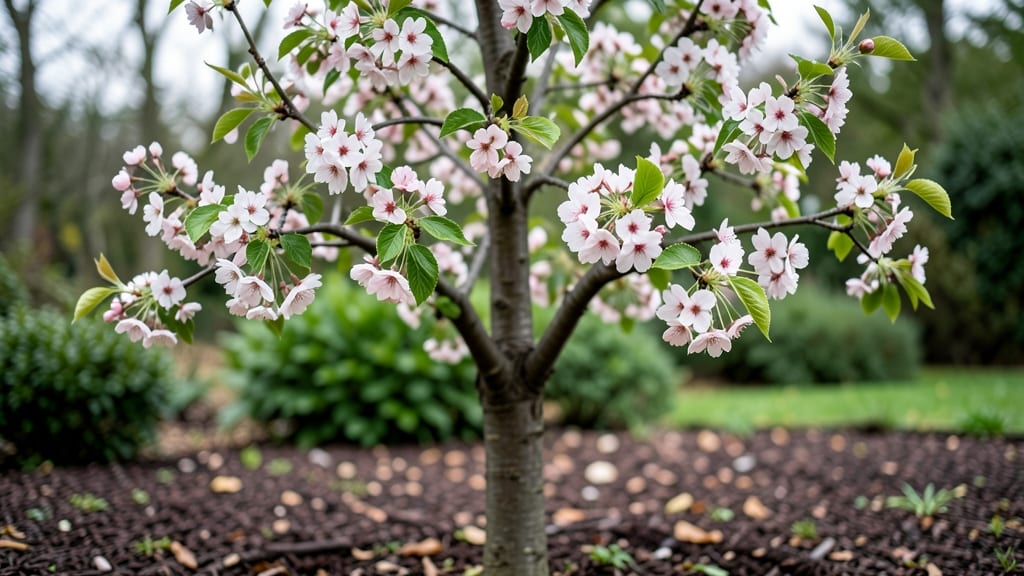
Your cherry tree’s bloom time depends on the variety and your climate, but most spring bloomers like Prunus avium burst into 🌸 flowers between late April and early May in USDA Zone 6a.
Watching a cherry tree bloom is like nature’s own fireworks display—but predicting the exact timing can feel like guessing. Knowing your tree’s bloom window helps you plan picnics, avoid allergies, or even time harvests for self-pollinating varieties.
Some varieties, like ‘Autumnalis’, defy the norm by blooming in late fall or even winter, while others, such as ‘Stella Pink’, wait until May for their show. Temperature swings, winter chill hours, and even last year’s pruning can shift bloom dates by weeks.
Below, I’ll break down how to read your tree’s signals, adjust care for earlier or later blooms, and sync your garden tasks—like pollinator support or pruning—to the 🌸 cherry tree bloom time that’s right for your region.
How cherry tree bloom time varies by species and climate
Cherry trees transform your garden into a springtime spectacle, but their bloom windows can vary dramatically depending on the species and your climate zone.
Sweet cherries like ‘Bing’ or ‘Rainier’ typically burst into bloom in late April to early May, while tart varieties such as ‘Montmorency’ may wait until May. Ornamental cherries like ‘Stella Pink’ often bloom earlier, sometimes as early as March, offering a longer display.
Understanding these variations helps you plan pollinator-friendly activities or even time your harvests for self-pollinating varieties.
Your USDA hardiness zone plays a critical role in bloom timing. Trees in warmer zones (8-9) may bloom 2-4 weeks earlier than those in cooler zones (5-6) due to milder winters and earlier spring warmth.
For example, a ‘Black Tartarian’ cherry in Zone 5 might bloom in late May, while the same variety in Zone 8 could start as early as mid-April. This shift means gardeners in southern regions often enjoy cherry blossoms weeks before their northern counterparts.
Here’s a quick comparison of bloom times across common cherry tree types, including how climate zones influence their schedules:
| Variety | Type | Typical Bloom Window (USDA Zone 6) | Bloom Shift in Zone 8 | Notes |
|---|---|---|---|---|
| ‘Bing’ | Sweet Cherry | Late April - Early May | Early April - Mid-April | Requires cross-pollination |
| ‘Rainier’ | Sweet Cherry | Mid-April - Late April | Late March - Early April | Self-pollinating |
| ‘Montmorency’ | Tart Cherry | Early May - Mid-May | Late April - Early May | Cold-hardy, great for pies |
| ‘Stella Pink’ | Ornamental | March - Early April | Late February - March | Early bloomer, non-fruiting |
| ‘Black Tartarian’ | Tart Cherry | Late April - Early May | Mid-April - Late April | Disease-resistant |
| ‘Autumnalis’ | Ornamental | November - March | October - February | Blooms multiple times/year |
Ornamental cherries like ‘Autumnalis’ stand out for their extended bloom periods, often flowering from late fall through early spring. This variety can produce blossoms in November and again in February or March, making it a standout for winter interest.
Meanwhile, ‘Stella Pink’ is one of the earliest bloomers, often opening its pink flowers in March—sometimes even in late February in warmer zones. These early bloomers are perfect for gardeners who want to extend their spring color palette.
For fruit-bearing cherries, timing is everything. Sweet cherries like ‘Bing’ and ‘Rainier’ rely on precise bloom windows to ensure successful pollination and fruit set. In Zone 6, these varieties typically bloom in late April to early May, aligning with the arrival of pollinators like bees.
However, in Zone 8, their bloom window shifts to early April, which can sometimes coincide with unpredictable late-winter frosts. This is why growers in warmer climates
5 Key factors that advance or delay cherry tree blooming
Your cherry tree’s bloom schedule isn’t set in stone—it’s a delicate balance of environmental cues and your care routine. Understanding these 5 key triggers helps you anticipate (or even adjust) when those showstopping blossoms will appear.
From winter chill hours to spring temperature spikes, each factor plays a starring role in your tree’s annual performance.
For example, a ‘Stella Pink’ cherry in USDA Zone 7 might bloom in early April, while the same variety in Zone 5 could wait until mid-May. These differences aren’t random—they’re tied to cold requirements and warming patterns.
Let’s break down how to read your tree’s signals and fine-tune its schedule for the most dramatic spring display.
-
1. Winter Chill Hours
Most cherries need 400-1,000 hours below 45°F to trigger blooms. ‘Montmorency’ (tart) thrives with 500+ hours, while ‘Autumnalis’ (ornamental) blooms with 200-400 hours.
-
2. Spring Temperature Spikes
Rapid warming above 50°F after dormancy can advance blooms by 1-2 weeks. Frost warnings? Cover buds with frost cloth to protect delicate flowers.
-
3. Soil Moisture Levels
Drought stress delays blooms. Keep soil evenly moist (not soggy) in late winter to encourage bud formation. Mulch 3 inches deep to retain moisture.
-
4. Pruning Timing
Prune after blooms drop (late May-June) to avoid cutting next year’s flower buds. Heavy pruning in winter can delay blooms by 1-2 years.
-
5. Sunlight Exposure
Full sun (6+ hours/day) ensures vibrant blooms. Shade reduces flower count by 30-50%. Thin nearby trees if branches cast more than 2 hours of shade.
Let’s say your ‘Bing’ sweet cherry usually blooms in late April, but this year it’s lagging. Check your winter chill hours: if you’re in Zone 6 with only 300 hours below 45°F, that’s 100 hours short of the ideal 400-hour minimum.
To compensate, water deeply in late winter to encourage root growth, which can boost next year’s chill accumulation.
Another trick? Adjust pruning to balance growth and blooms. If your tree is overgrown, prune selectively in summer (June-July) to reduce stress while preserving flower buds for next spring. Avoid heavy winter pruning—it can shock the tree and push back blooms by a full season.
For sunlight-hungry varieties like ‘Rainier’, move potted trees to sunnier spots in late winter to signal the tree it’s time to bloom. Even 1-2 extra hours of sun can trigger earlier flowering by 10-14 days.
Pair this with consistent morning watering (before 10 AM) to keep roots hydrated without fungal risks.
Pro tip: Use a digital thermometer to track daily lows in winter. If temps hover around 40°F for 3+ weeks, your tree is likely accumulating chill hours. Pair this with light spring fertilizing (early March) to jumpstart blooms without overfeeding.