
Blooming
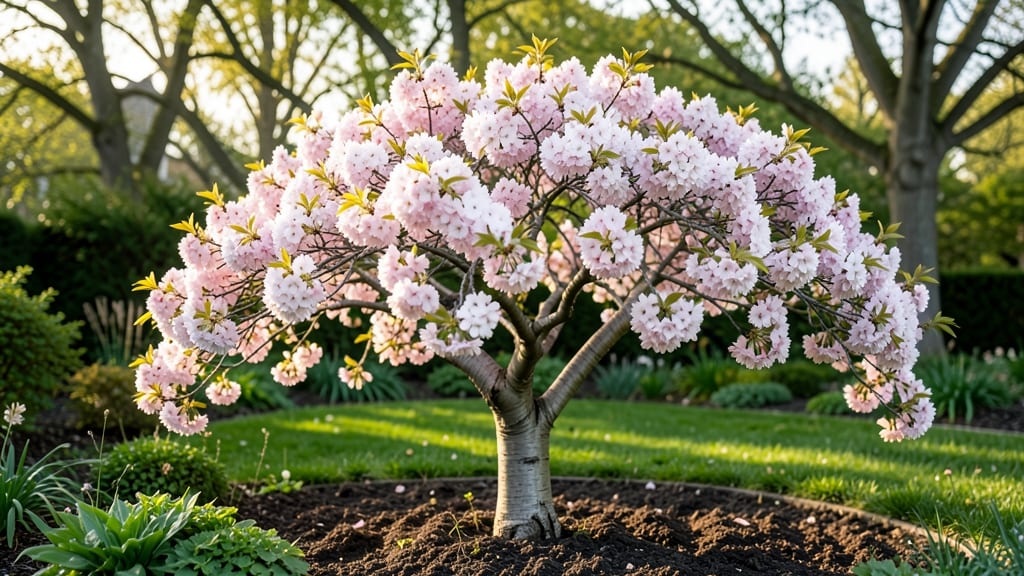
Your yard deserves a fragrant pink canopy that arrives every spring like clockwork. 🌸 Cherry blossom trees aren’t just beautiful—they’re the centerpiece of spring, turning ordinary landscapes into dreamy, Instagram-worthy scenes.
The secret to that showstopping display starts with understanding their seasonal needs, from pruning timing to the right fertilizer boost. These trees thrive when you work with their natural rhythm, not against it.
Prune in late winter while they’re dormant, fertilize as buds swell, and watch them reward you with weeks of delicate blossoms. Even in small yards, a single cherry blossom can create that "wow" factor—just pick the right variety for your space and climate.
By late April or early May, you’ll have a tree so lush it feels like stepping into a Japanese garden. The petals might only last a few weeks, but their impact lingers all season.
Birds love the blossoms, pollinators adore them, and your neighbors will ask how you pulled it off. Works in zones 5-8 with proper care, and even urban planners use them for street beautification. Here’s how to make yours the talk of the neighborhood!
📚 In This Guide
- What you need
- Instructions
- Tips and common mistakes
- Wrapping up and next steps
What you need
- ● Cherry Blossom Tree (Prunus serrulata): Choose a dwarf variety (6–10 ft mature height) for small yards or a standard variety (20–30 ft) for bold impact.
- ● Opt for bare-root (fall/winter planting) or container-grown (spring planting) saplings.
- ● Planting Hole: Width: 2–3x the root ball (or container size).
- ● Depth: Slightly deeper than the root ball to encourage downward growth.
- ○ High-Quality Soil Amendments (optional but recommended): Compost (5–10 gallons) for nutrient-rich soil.
- ● Peat moss or coconut coir (1–2 bags) to improve drainage.
- ● Shovel (round-point for digging, flat-edge for backfilling).
- ● Garden trowel (for delicate root adjustments).
- ● Wheelbarrow (to mix soil amendments).
- ● Gloves (gardening or work gloves for protection).
- ● Watering can or hose (with adjustable nozzle for gentle watering).
- ● Mulch (2–3 inches of wood chips or pine straw to retain moisture).
- ○ Staking kit (optional, for young trees in windy areas).
- ● Sunlight: Full sun (6+ hours/day) for optimal blooms.
- ● Well-draining soil: Cherry blossoms hate soggy roots—amend clay soil with sand if needed.
- ● Spacious root zone: Avoid planting near sidewalks or structures (roots spread widely!).
- ● Patience: Trees take 3–5 years to bloom fully—choose a spot you’ll love long-term! 💡
Step-by-Step guide to caring for a cherry blossom tree in spring
Spring is the moment your cherry blossom tree truly shines—here's how to keep it thriving.
🌱 Step 1: Prune for Shape and Health
Start by removing any dead, diseased, or crossing branches with clean, sharp pruning shears. I focus on opening the center of the tree first—this improves airflow and sunlight penetration, which prevents fungal issues. Cut just outside the branch collar where the branch meets the trunk, making angled cuts to avoid tearing the bark.
Next, shape the tree by thinning out overcrowded branches. Aim to keep the natural form while removing no more than 25% of the foliage in one season. The goal is to encourage new growth while maintaining that graceful, weeping silhouette. Prune on a dry day when temperatures are above 40°F—this prevents shock and promotes faster healing.
💧 Step 2: Water Deeply and Mulch
Water the tree deeply once a week during spring, ensuring the soil is moist down to 12 inches. You'll know it's right when water runs out the drainage holes if planted in a container, or when the top 2 inches of soil feel damp for in-ground trees. Cherry blossoms have shallow roots, so consistent moisture is key—especially during bloom when the tree uses extra energy.
Apply 2-3 inches of mulch around the base, keeping it 3 inches away from the trunk to prevent rot. I use wood chips because they break down slowly and improve soil structure over time. Mulch helps retain moisture, regulate soil temperature, and suppress weeds—just remember to refresh it annually as it decomposes.
☀️ Step 3: Fertilize for Vibrant Blooms
Feed your tree with a balanced, slow-release fertilizer (10-10-10 ratio) in early spring as new growth begins. Sprinkle the granules evenly over the root zone and water deeply to activate them. Avoid high-nitrogen fertilizers—they encourage leafy growth at the expense of flowers. For established trees, I use half the recommended dose to prevent over-fertilization, which can harm roots.
Watch for signs of nutrient deficiency: yellowing leaves often mean nitrogen deficiency, while purple stems indicate phosphorus needs. If you notice these, adjust your fertilizer blend accordingly. Always water after fertilizing to help nutrients penetrate the soil and prevent root burn.
✂️ Step 4: Protect Against Pests and Diseases
Inspect the tree weekly for early signs of pests like aphids or Japanese beetles. I spray with neem oil at the first sign of infestation—it's organic, effective, and won't harm pollinators. For fungal issues like powdery mildew, remove affected leaves immediately and apply a copper fungicide if needed. Prevention is key: proper pruning and airflow reduce disease risk significantly.
Keep an eye out for signs of stress, like wilting leaves or early leaf drop. These can signal root rot, which often starts from overwatering or poor drainage. If you planted in a container, ensure it has drainage holes and avoid letting the tree sit in standing water. Healthy soil and proper care create a resilient tree that fights off pests naturally.
🌿 Step 5: Enjoy and Maintain the Canopy
Once the tree is established, focus on regular maintenance: water during dry spells, mulch annually, and prune lightly after the blooms fade to shape for next spring. I like to take photos of the tree each year to track its growth—it's amazing how much a well-cared-for cherry blossom can transform a space in just a few seasons.
For the best fragrance and bloom, plant your tree where you can enjoy it daily. A spot near a patio or walkway lets you experience the full sensory experience—crisp petals underfoot, the sweet scent on the breeze, and the joy of watching bees and butterflies visit. With consistent care, your cherry blossom will reward you with stunning displays for decades.
Tips & tricks for perfect cherry blossom tree care in spring
Here's what nobody tells you about keeping your cherry blossom tree looking its absolute best during spring's crucial growing season.
Pruning Precision: When you're opening up that center in Step 1, look for branches that are growing toward the center of the tree—these are the ones causing the most congestion. I've learned to make my cuts just outside the branch collar at a slight angle, which helps water run off properly and prevents disease. The key is to visualize how each cut will improve airflow and sunlight exposure. Remember, you're sculpting the tree's future growth pattern, not just cleaning it up.
Watering Wisdom: That once-a-week deep watering in Step 2 is non-negotiable, but here's the secret: water in the morning so the foliage has time to dry during the day. Wet leaves at night create perfect conditions for fungal diseases. I also recommend using a soaker hose or drip irrigation for container trees—it delivers water right to the roots without wetting the leaves or bark. For in-ground trees, create a small basin around the base to direct water where it's needed most.
Fertilizer Timing: The early spring timing for fertilizer in Step 3 is critical because you want those roots actively growing when the nutrients become available. I've seen too many people fertilize too late in the season, which can encourage tender new growth that gets damaged by fall frosts. Pro tip: if you're using a granular fertilizer, sprinkle it on the soil surface and water it in immediately—this prevents the granules from sticking to the bark and potentially burning it.
Pest Prevention: That weekly inspection in Step 4 might feel like overkill, but trust me on this—catching pests early makes all the difference. I keep a small spray bottle of neem oil mixed with water (1 tsp oil per cup of water) ready to go. The key is consistency: if you see just a few aphids, treat immediately. Waiting until they're everywhere means you'll need stronger, less eco-friendly solutions. Also, don't forget to check the undersides of leaves where pests love to hide.
Pro Tips for Cherry Blossom Tree In Spring
- Here's what nobody tells you about keeping your cherry blossom tree looking its absolute best during spring's crucial...
- Pruning Precision: When you're opening up that center in Step 1, look for branches that are growing toward the center...
- Watering Wisdom: That once-a-week deep watering in Step 2 is non-negotiable, but here's the secret: water in the morn...
Frequently asked questions
Got questions about nurturing your cherry blossom tree? You’re in the right place!
Here are answers to the most common queries—from timing to troubleshooting—so you can enjoy that dreamy pink canopy all season long.
When is the best time to plant a cherry blossom tree?
The ideal window is late fall or early spring (before buds swell). This gives roots time to establish before summer heat. Avoid planting in extreme weather—cherry blossoms thrive in USDA Zones 5-8, so check your local climate. Pro tip: Water deeply after planting and mulch to retain moisture!
How long does it take for a cherry blossom tree to bloom?
Patience is key! Young trees may take 3–5 years to produce flowers, depending on variety and care. Dwarf cultivars (like ‘Okame’) bloom faster (2–3 years), while standard trees can take up to a decade. Consistent sunlight and proper pruning speed up the process!
Can cherry blossom trees grow in containers?
Yes, but choose dwarf varieties (e.g., ‘Shidare Yoshino’) and large pots (15+ gallons) with drainage. Container trees need frequent watering and winter protection (move indoors or wrap roots). Note: Most blossoms are not self-pollinating, so plant two trees for fruit (if desired).
Why aren’t my cherry blossoms opening this spring?
Common culprits: late frost (damages buds), poor pollination, or nutrient deficiencies. Check for black spots (fungus) or chewed leaves (pests). Solution: Apply balanced fertilizer in early spring and protect flowers with frost cloth if temps dip below 28°F.
What’s a good alternative if I can’t grow a cherry blossom?
Try these fragrant, spring-blooming trees:
- Magnolia – Large, showy flowers (Zones 4–9)
- Dogwood – Bi-colored blooms (Zones 5–9)
- Bradford Pear – Fast-growing (Zones 5–8)
- Japanese Maple – Stunning foliage + flowers (Zones 5–8)
Wrapping up and next steps
Witnessing a cherry blossom tree in full spring bloom is like stepping into a dream—one filled with delicate petals, intoxicating fragrance, and pure natural beauty. 🌸 Whether you’re planting your own or simply admiring one in a park, these trees bring magic to any space. Now that you’re armed with care tips and answers to common questions, there’s no better time to act!
Start by visiting a local nursery or researching cherry blossom varieties that thrive in your climate. If you’re ready to plant, spring is the perfect season—just imagine the joy of watching your own pink canopy unfold next year! 🌱
- Next steps: Sketch a planting plan or bookmark this guide for reference.
- Share the love: Inspire a friend to add a cherry blossom tree to their yard!