
How To
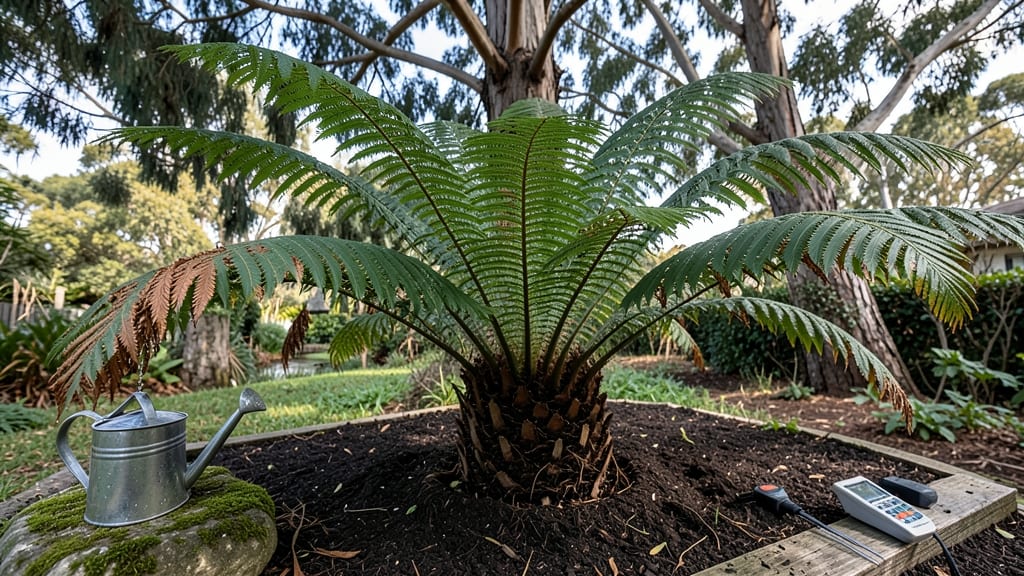
Those crispy brown tips on your Tasmanian tree fern aren’t a death sentence—just a cry for help. 🌿 I’ve nursed back more than a few of these giants after they looked like they’d been singed by a summer storm, and the fix is simpler than you’d think. The key?
Identifying whether it’s thirst, stress, or something sneaky like copper deficiency causing the damage. Start by checking the soil: if it’s bone-dry, your fern’s thirsty; if it’s soggy, you’ve overwatered. Then look closer—are the brown tips on older fronds or new growth?
Older fronds browning naturally is normal, but crispy new growth means something’s off. My go-to fix for stubborn cases? A light copper spray, which works like a reset button for stressed foliage.
Within 2-3 weeks, you’ll see fresh green unfurling at the tips of the fronds, and the brown edges will start to recede.
The secret’s in the balance: water just enough to keep the soil lightly moist, prune dead fronds cleanly, and give it a bit of humidity if your air feels dry. This works for both indoor plants and outdoor ferns—just adjust the watering schedule for your climate.
Let’s get those fronds looking lush again!
Root Causes Of Fern Stress
When your Tasmanian tree fern starts showing brown tips on its fronds, it’s often a cry for help from the plant itself. Understanding the why behind these symptoms is the first step to saving your fern.
Below, we break down the most common culprits—each with a clear scientific explanation and actionable insights to help you diagnose the issue accurately.
Tasmanian tree ferns thrive in consistently moist but well-draining soil. When watering habits go awry, the fronds react with brown tips—either from overwatering or underwatering.
- Overwatering:
- Excess moisture drowns the roots, cutting off oxygen and leading to root rot (a fungal infection). Without oxygen, the roots can’t transport water and nutrients to the fronds, causing the tips to brown and crisp.
- Symptoms: Yellowing fronds, mushy stems, and a sour, rotten smell from the soil.
- Fix: Let the top 2–3 inches of soil dry out between waterings. Improve drainage by amending soil with perlite or orchid bark and repotting if necessary.
- Underwatering:
- When soil dries out too much, the fern’s roots can’t absorb enough water, leading to desiccation (drying out) of the frond tips. This is especially common in low-humidity environments or during hot spells.
- Symptoms: Crispy, brittle brown edges that feel dry to the touch, while the frond center remains green.
- Fix: Water thoroughly until it drains from the bottom, then mulch with sphagnum moss to retain moisture. Increase humidity with a pebble tray or humidifier.
Tasmanian tree ferns are tropical plants that prefer stable temperatures between 60–75°F (15–24°C). Sudden shifts—whether too hot, too cold, or drafty conditions—can stress the plant, leading to brown tips.
- Heat Stress:
- Direct sunlight or high indoor heat (e.g., near radiators or in sunny windows) causes transpiration stress. The fronds lose moisture faster than the roots can replace it, leading to browning at the tips.
- Symptoms: Wilting fronds with brown, scorched-looking tips, often on the sun-exposed side.
- Fix: Move the fern to indirect, bright light (e.g., east-facing window). Avoid placing it near heat sources. Mist the fronds daily in dry climates.
- Cold Drafts Or Chill:
- Cold drafts (e.g., from AC vents, open windows in winter, or outdoor exposure to frost) slow down metabolic processes, causing the fronds to lose turgor pressure and develop brown tips.
- Symptoms: Soft, mushy brown patches or blackened tips, often on the outer edges of fronds.
- Fix: Keep the fern away from drafts and avoid placing it near glass doors or windows in winter. If outdoors, bring it inside before temperatures drop below 50°F (10°C).
Brown tips can also signal a nutrient imbalance, particularly a lack of copper, iron, or potassium. These micronutrients are critical for chlorophyll production and enzyme function in ferns.
Key deficiencies to watch for:
| Nutrient | Deficiency Symptoms | How To Fix |
|---|---|---|
| Copper | Brown, dead-looking tips that spread inward; fronds may curl or distort. Copper is essential for photosynthesis and respiration. | Apply a copper sulfate spray (1 tsp per gallon of water) every 4–6 weeks or use a balanced liquid fertilizer with micronutrients. |
| Iron | Yellowing between veins (chlorosis) that progresses to brown, crispy tips. Iron helps transport oxygen in plants. | Use an iron chelate fertilizer (e.g., iron EDTA) or acidify the soil with peat moss or pine needles (ferns prefer pH 5.5–6.5). |
| Potassium | Brown tips that feel weak or rubbery; fronds may weakly droop. Potassium regulates water and nutrient movement. | Fertilize with a potassium-rich fertilizer (e.g., 5-10-10) once a month in growing season. |
Pro Tip: 💡 Test your soil with a home pH kit—if the pH is too high (>7.0), nutrients like iron and copper become unavailable to the plant.
While less common, pests and fungal infections can also cause brown tips by damaging the fronds or blocking nutrient uptake.
- Spider Mites:
- These tiny pests suck sap from fronds, causing brown, stippled spots that turn crispy. They thrive in dry, warm conditions.
- Fix: Spray fronds with neem oil or insecticidal soap (repeat every 5–7 days). Increase humidity to deter them.
- Fungal Infections (e.g., Root Rot or Leaf Spot):
- Fungi like Phytophthora (from overwatering) or Cercospora (leaf spot) cause brown, spreading lesions with dark edges.
- Fix: Remove infected fronds
Revive Your Fern’s Fronds Fast
Brown tips on your Tasmanian tree fern (Dicksonia antarctica) don’t have to mean the end of its lush, tropical charm. With the right approach, you can nurse your fern back to health and prevent future damage.
Below, we’ve mapped out practical, step-by-step solutions tailored to the most common causes—plus pro tips to keep your fern thriving long-term.
If your fern’s roots are soggy or the soil stays waterlogged, brown tips are a cry for help. Root rot and oxygen deprivation are the culprits here.
Step-by-Step Rescue Plan
- 🔥 Stop Watering Immediately Let the top 2–3 inches of soil dry out completely before watering again. Stick your finger in the soil—if it’s damp past your first knuckle, wait.
- 🍳 Repot in Well-Draining Mix Remove the fern from its pot and inspect the roots. Trim any mushy, black, or foul-smelling roots with sterilized scissors.
Repot in a chunky, airy mix like: - 50% peat moss or coconut coir - 30% perlite or pumice - 20% coarse sand or orchid bark Pro Tip: Add a handful of horticultural charcoal to prevent future rot.
- 👨🍳 Choose the Right Pot Opt for a terracotta pot (breathable) with drainage holes. If using plastic, ensure excess water drains freely.
- ⏰ Water Less, But Deeply Water only when the topsoil is dry, and always water at the base—never from above. Use a tray underneath to catch runoff.
- 🌡️ Boost Humidity (Without Overdoing It) Mist the fronds lightly in the morning, but avoid soggy fronds. A pebble tray with water near the pot (not touching it) adds moisture without drowning the roots.
Brown, crispy tips can also signal thirst or dry air, especially in heated or windy environments.
Quick Fixes
- 💡 Hydrate Deeply Water thoroughly until it drains from the bottom, then empty the saucer. Repeat every 7–10 days (adjust for climate).
- ✨ Increase Humidity
- Group ferns together (they love company!).
- Use a humidifier nearby or place the pot on a gravel tray with water.
- For extra tropical vibes, mist daily in dry conditions.
- 🎯 Shield from Drafts Keep your fern away from AC vents, heaters, or open windows in winter. A clear plastic bag with holes (like a mini greenhouse) can help in very dry spells.
Hard water, tap water salts, or over-fertilizing can leave crusty deposits on soil and fronds, leading to brown tips.
Cleanup & Prevention
- 🔪 Flush the Soil Water the pot generously for 10–15 minutes to leach out salts. Repeat 2–3 times over a week.
- 🌿 Use Filtered or Rainwater Tap water can be harsh—switch to rainwater, distilled water, or filtered water for watering.
- 💪 Skip the Fertilizer (For Now) Brown tips from fertilizer burn won’t heal until the excess is gone. Wait 2–3 months before resuming, and dilute fertilizer to half-strength.
- 🧼 Gently Wipe Fronds Use a damp cloth to remove mineral deposits from fronds. Avoid harsh soaps—stick to plain water.
Fungal infections (like Phytophthora) or pests (scale, spider mites) can cause brown, wilted tips.
Pest & Fungus Control
- 🔍 Inspect Closely Look for sticky residue (aphids), webbing (spider mites), or black spots (fungus). Isolate the fern if pests are severe.
- 🍳 Natural Pest Spray Mix 1 tsp neem oil + 1 tsp mild soap + 1 quart water. Spray fronds and soil (avoid direct sun after spraying). Repeat weekly for 2 weeks.
- 🌡️ Fungal Treatment
- Copper fungicide spray (like Copper Soap) is highly effective for Tasmanian tree ferns. Follow label instructions.
- Improve airflow by pruning crowded fronds or moving the pot to a less humid spot.
- 💡 Prevent Future Outbreaks
- Sterilize tools with rubbing alcohol before pruning.
- Remove fallen fronds to reduce spores.
- Avoid overhead watering to keep fronds dry.
Once your fern is recovering, prevent relapse with these habits: - 📊 Watering Schedule: Check soil moisture weekly—never let it dry out completely, but avoid soggy conditions. - 💪 Light Needs: Bright, indirect light (east or north-facing windows).
Avoid harsh midday sun. - 🍎 Pruning: Trim brown tips with clean scissors to encourage new growth. Cut at the base of the frond. - 🌡️ Temperature: Keep between 60–75°F (15–24°C). No sudden drafts! - 🎯 Seasonal Adjustments: Reduce watering in winter (growth slows) but keep humidity up.
Final Thought: 🌟 Tasmanian tree ferns are hardy survivors—with a little TLC, they bounce back beautifully. Start with the root cause, act swiftly, and soon you’ll see new, vibrant fronds unfurling. Happy fern parenting!
Frequently asked questions
1Why do my Tasmanian tree fern's brown tips keep coming back even after I adjust watering?
Persistent brown tips often signal a deeper issue like nutrient deficiency or hidden root damage. First, check for copper deficiency—brown tips spreading inward with curled fronds are classic signs. Try a copper sulfate spray (1 tsp per gallon) every 4-6 weeks. Also inspect roots: if they're still mushy after repotting, fungal rot may linger. Sterilize your tools and repot with fresh, well-draining mix.
2Can I prune the brown tips off my Tasmanian tree fern, and how do I do it properly?
Yes! Pruning encourages new growth. Use sterilized scissors to cut 1/4 inch above the brown tip where the frond turns green. Avoid tearing fronds—make clean cuts at a 45-degree angle. For large fronds, cut all the way to the base if over 50% brown. Always prune in the morning so cuts dry quickly, reducing rot risk.
3Is it safe to use tap water on my Tasmanian tree fern if I notice brown tips?
Not ideal—tap water often contains chlorine, fluoride, and mineral salts that build up in soil, causing brown tips. Switch to rainwater, distilled water, or filtered water immediately. If you must use tap water, let it sit 24 hours uncovered to off-gas chlorine first. Flush the soil monthly by watering 10-15 minutes to leach out accumulated salts.
4How can I tell if my Tasmanian tree fern has root rot versus just dry tips?
Root rot shows multiple symptoms beyond brown tips: mushy, black roots with a foul smell, yellowing fronds, and soil that stays soggy. Dry tips usually appear only on outer edges with crispy texture, while roots stay firm. Gently remove the fern from its pot—if roots are black/mushy, repot immediately with fresh mix. If roots are firm but soil is dry, underwatering's the issue.