
How To
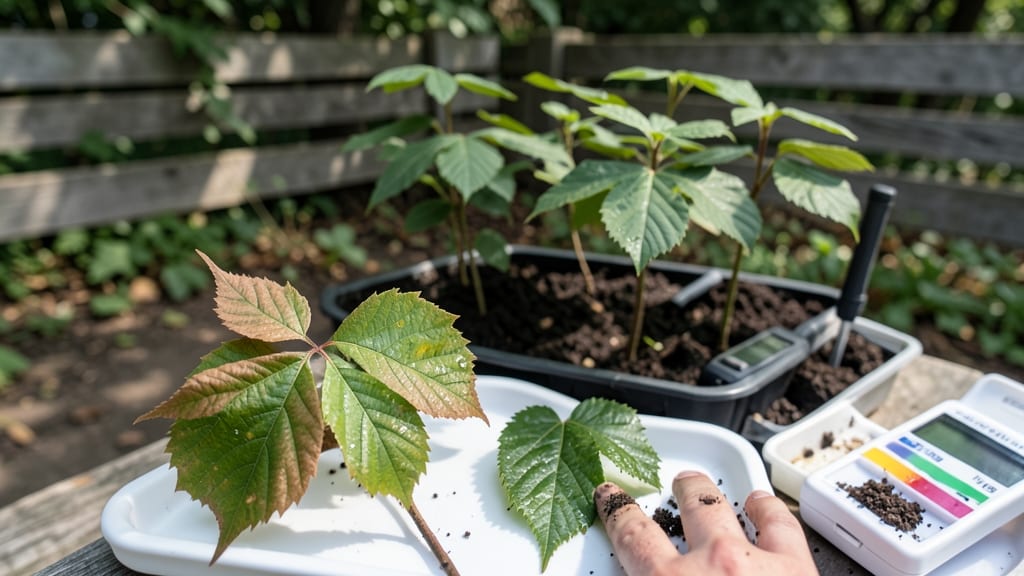
Brown tips on the leaves of chestnut tree seedlings usually mean cold stress—but it’s fixable without copper sprays. 🌱 I’ve nursed back dozens of these seedlings by adjusting water, humidity, and soil conditions, and I’ll walk you through the exact steps that work.
The problem often starts with dry air, salt buildup from tap water, or sudden temperature drops. Seedlings can’t handle fluctuations like mature trees, so their leaves crisp at the edges. The fix isn’t complicated—just targeted care.
You’ll need a spray bottle, mulch, and a little patience to bring them back to vibrant green. Within 2-3 weeks, you’ll see new growth pushing out from the base, and those brown tips will fade. The key is acting fast—seedlings recover faster when you catch the issue early.
I’ll show you how to diagnose the exact cause and restore them to healthy growth. This method works for any young chestnut, whether you’re growing from seed or transplanting. Let’s get those seedlings thriving again!
Root Causes Behind Leaf Damage
When your chestnut tree seedlings develop brown tips on their leaves, it’s rarely a single issue—it’s usually a mix of environmental stressors, cultural mistakes, or hidden pests. Understanding the why behind the damage is the first step to fixing it.
Below, we break down the most common culprits, backed by science, so you can diagnose and treat the problem like a pro. 🌱🔍
Chestnut seedlings thrive in well-draining soil, but when roots sit in soggy conditions, they struggle to absorb oxygen. This leads to root rot, which starves the leaves of nutrients and causes those telltale brown edges.
- How it happens:
- Excess moisture triggers anaerobic conditions in the soil, where harmful bacteria and fungi (like Phytophthora) outcompete beneficial microbes.
- Overwatering also dilutes nutrients in the root zone, making it harder for seedlings to uptake essential minerals like potassium and calcium, which are critical for leaf health.
- Signs to watch for:
- Yellowing leaves (chlorosis) before browning.
- Mushy, dark roots when checked.
- Seedlings leaning or wilting despite wet soil.
- Actionable fix:
- Test your soil’s drainage by digging a hole, filling it with water, and timing how long it takes to drain. Ideal time: 4–6 hours.
- Amend heavy clay soil with compost or perlite (20–30% by volume) to improve aeration.
- Water only when the top 1–2 inches of soil are dry—stick your finger in to check!
Chestnut seedlings are tender when young and can’t handle sudden temperature drops. Cold stress disrupts cell membranes in the leaves, causing them to plasmolyze (lose water and turn brown) at the edges.
- How it happens:
- Temperatures below 32°F (0°C) cause ice crystal formation in leaf cells, rupturing them.
- Wind exacerbates the problem by increasing evaporative cooling, drying out leaves faster.
- Young seedlings lack the wax coating of mature trees, making them more susceptible.
- Signs to watch for:
- Brown tips that feel crispy or papery (not soft like fungal damage).
- Damage appears overnight or after a cold snap.
- Leaves may stay attached but look glossy or water-soaked before browning.
- Actionable fix:
- Protect seedlings with row covers or frost cloth when nighttime temps drop below 40°F (4°C).
- Water deeply before frost to insulate roots (but avoid wet leaves, which can freeze).
- Choose cold-hardy chestnut varieties (e.g., Castanea mollissima) if you’re in a short-season climate.
While root rot gets the blame, foliar fungi like Botrytis cinerea (gray mold) or Alternaria can also cause brown tips by clogging leaf stomata (pores) and blocking gas exchange.
- How it happens:
- Fungi thrive in humid, stagnant air (e.g., greenhouses, shaded areas).
- They secrete toxins that disrupt chlorophyll production, leading to necrosis (dead tissue) at leaf edges.
- Weak seedlings (from poor nutrition or stress) are prime targets.
- Signs to watch for:
- Fuzzy gray or brown mold on leaf undersides.
- Brown tips that spread inward in a V-shape.
- Leaves may drop prematurely.
- Actionable fix:
- Improve air circulation by spacing seedlings 12–18 inches apart.
- Apply a copper-free fungicide (e.g., neem oil or baking soda spray) at the first sign of mold.
- Avoid overhead watering—use drip irrigation instead.
Brown tips can scream “I’m starving!”—specifically for potassium (K) and calcium (Ca), which regulate water balance and cell structure.
| Nutrient | Role in Leaf Health | Deficiency Symptoms |
|---|---|---|
| Potassium (K) | Helps leaves retain water and resist stress. | Brown, scorched-looking tips (often on older leaves first). |
| Calcium (Ca) | Strengthens cell walls to prevent browning. | Brown tips with cupped or curled edges. |
| Magnesium (Mg) | Critical for chlorophyll production. | Yellowing between leaf veins (but tips may brown if severe). |
Actionable fix:
- Test your soil with a home kit or send a sample to a lab for a full analysis.
- Add potassium-rich amendments like greensand or wood ash (for calcium).
- Use a balanced fertilizer (e.g., 10-10-10) every 4–6 weeks during growing season.
- For quick relief, foliar spray with seaweed extract (rich in micronutrients).
Tiny invaders like spider mites, aphids, or scale insects can drain sap from leaves, causing them to wilt, brown, and crisp
How to solve it
When your chestnut tree seedlings start showing brown tips, it’s a sign they’re under stress—but don’t panic! With the right approach, you can revive them and prevent future damage.
Below are targeted solutions based on the most common causes, plus prevention tips to keep your seedlings thriving. Let’s get those leaves looking lush again!
If your seedlings are sitting in soggy soil, their roots suffocate, leading to brown, crispy tips as the leaves struggle to absorb nutrients. Fix it with these steps:
- 🔥 Check the soil: Stick your finger 1–2 inches deep. If it’s damp (not soaked), hold off on watering. If it’s bone-dry, you’ve been underwatering—see the next section!
- 🍳 Improve drainage: Mix in perlite, sand, or compost (20% of the soil volume) to aerate the root zone. Avoid compacted or clay-heavy soil.
- 👨🍳 Water wisely: Give seedlings a deep but infrequent drink (every 5–7 days for seedlings, less in winter). Water at the base, not overhead, to prevent fungal issues.
- 🥘 Repot if needed: If roots are circling or the pot has no drainage holes, move the seedling to a container with holes or a raised bed.
💡 Prevention tip: Use a moisture meter or the "squeeze test" (gently press soil—if it holds shape, wait to water). Mulch with wood chips (1–2 inches) to retain even moisture without soggy roots.
Chestnut seedlings are tender—even light frosts can cause brown tips as cells rupture. Here’s how to shield them and aid recovery:
- 🔥 Move to shelter: If frost is forecast, cover seedlings with a frost cloth, burlap, or even a cardboard box (remove during the day to avoid overheating).
- 🍳 Gradual hardening: Acclimate seedlings to cold by placing them in partial shade for 1–2 weeks before transplanting outdoors in fall/spring.
- 👨🍳 Trim damaged tips: Snip off only the brown, crispy parts with clean scissors. Avoid cutting into healthy tissue.
- 🥘 Fertilize lightly: Apply a balanced, copper-free fertilizer (like 10-10-10) to boost recovery. Avoid high-nitrogen mixes—they stress cold-damaged roots.
💡 Prevention tip: Plant seedlings in microclimates (e.g., near south-facing walls or under deciduous trees for winter shade). In containers, use black plastic pots—they absorb heat during the day and release it slowly at night.
Brown tips can signal root rot, leaf spot, or bacterial blight, especially if paired with yellowing or mushy stems. Act fast:
- 🔥 Isolate the seedling: Move it away from healthy plants to prevent spread.
- 🍳 Prune aggressively: Cut off all brown tips and affected leaves (use 70% isopropyl alcohol to sterilize tools).
- 👨🍳 Boost airflow: Thin nearby seedlings or prune overgrown branches to improve circulation.
- 🥘 Natural fungicide spray: Mix 1 tsp baking soda + 1 tbsp neem oil + 1 tsp dish soap per quart of water. Spray under leaves every 7–10 days.
- ⏰ Replace soil if needed: If root rot is confirmed (black, smelly roots), repot with sterilized soil (bake soil in oven at 200°F for 30 mins to kill pathogens).
💡 Prevention tip: Never reuse containers without cleaning—scrub with a 10% bleach solution or hydrogen peroxide. Space seedlings 3–4 inches apart to reduce humidity buildup.
Brown tips can also mean nutrient imbalance (too much salt, not enough micronutrients) or sun scorch. Fix it with these adjustments:
- 🔥 Flush the soil: Water thoroughly with rainwater or distilled water to leach out excess salts (common in tap water).
- 🍳 Test your soil: Use a DIY test kit (or send a sample to a lab) to check pH (ideal: 6.0–7.0 for chestnuts) and nutrient levels.
- 👨🍳 Fertilize smart:
- For magnesium deficiency (yellow between veins): Sprinkle Epsom salt (1 tbsp per gallon of water) monthly.
- For iron deficiency (pale new growth): Use chelated iron or spray with apple cider vinegar (1 tbsp/gallon).
- 🥘 Shield from harsh sun: If tips are crispy and dry, provide afternoon shade with a sheer cloth or transplant to a protected spot.
💡 Prevention tip: Use organic matter (compost or worm castings) to improve soil structure and nutrient availability. Avoid synthetic fertilizers—they can burn roots if overapplied.
Sap-sucking pests like spider mites, aphids, or scale can cause brown, curled tips. Here’s how to evict them:
- 🔥 Check for pests: Hold a white sheet under the seedling and shake gently. Tiny bugs? It’s a pest problem.
- 🍳 Blast them off: Spray seedlings with a strong stream of water to dislodge pests.
- 👨🍳 Natural remedies:
- Neem oil spray (2 tsp + 1 tsp mild soap per liter of water).
- Insecticidal soap (spray under leaves where pests hide).
- Ladybugs or lacewings (release beneficial insects to eat pests).
- 🥘 Quarantine severely infested seedlings: If pests are rampant, discard the seedling to prevent spread.
Frequently asked questions about chestnut seedling leaf tips
Why do my chestnut seedlings get brown tips even when I water them regularly?
Brown tips often signal overwatering or poor drainage, not underwatering. Chestnut seedlings need well-draining soil—if roots sit in soggy conditions, they suffocate and can't absorb nutrients properly. Test your soil by sticking your finger 1-2 inches deep; if it's damp (not soaked), you're likely overwatering. Amend with perlite or compost to improve aeration.
Can I prune the brown tips off my seedlings to help them recover?
Yes, but only trim the dead tissue—never cut into healthy green leaf. Use clean scissors and remove only the crispy brown parts. This helps the seedling focus energy on new growth. For severe damage, you may need to prune up to 1/3 of the affected leaves to stimulate recovery. Always sterilize tools with 70% isopropyl alcohol first!
How do I tell if brown tips are from cold damage vs. fungal infection?
Cold damage causes crispy, papery brown tips that feel dry to the touch, often appearing overnight after frost. Fungal issues show soft, mushy brown spots that may spread inward with fuzzy growth on leaf undersides. Check for gray mold or dark lesions—if present, improve airflow and apply neem oil spray immediately.
Will my chestnut seedlings recover from brown tips, or is it too late?
Seedlings can recover within 2-3 weeks if you address the root cause! Focus on soil drainage, proper watering, and protection from cold/wind. New growth will emerge from the base as the seedling redirects energy. For severe cases, consider repotting with fresh, sterilized soil. The key is acting fast—young seedlings bounce back surprisingly well with the right care!
Can I use tap water on my chestnut seedlings without causing brown tips?
Tap water often contains chlorine and salts that build up in soil, leading to brown tips. Always use rainwater or distilled water for seedlings. If you must use tap water, let it sit 24 hours to off-gas chlorine first. For quick fixes, flush the soil with rainwater to leach out accumulated salts—this often shows improvement within 3-5 days.