
Diseases
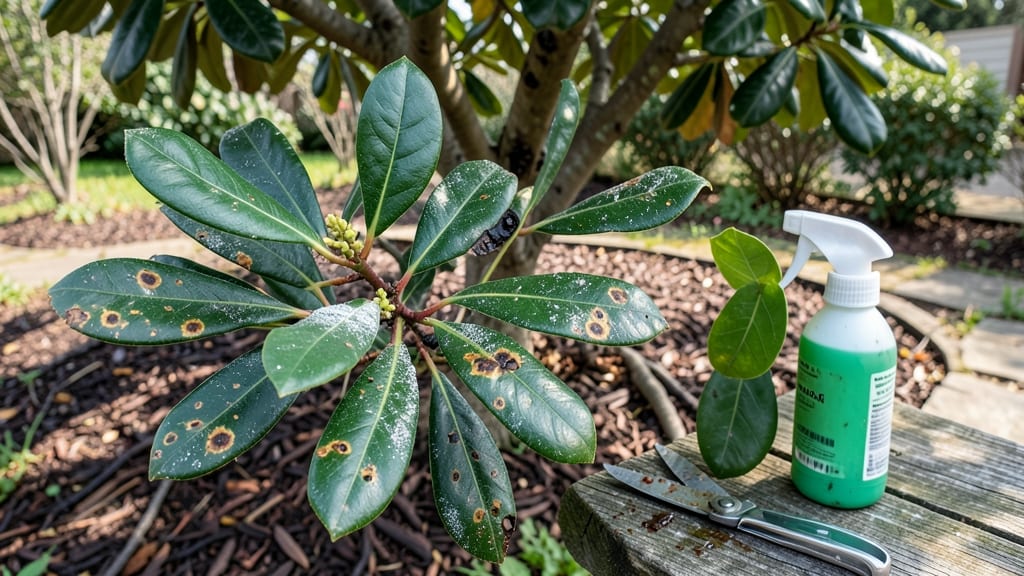
Bay leaf trees are tough, but fungal diseases like anthracnose and leaf spot can turn their glossy leaves into a sad, spotted mess.
I’ve watched my own trees go from lush and fragrant to struggling in just a few weeks—until I learned the early warning signs and how to act fast. The key is catching problems before they spread, because once those dark spots take hold, recovery gets a whole lot harder.
Most fungal diseases start with too much moisture—whether from overhead watering, poor drainage, or humid summers. You’ll see brown or black spots with yellow halos, or even a powdery white coating if it’s something like powdery mildew. The good news?
Organic fixes like neem oil, copper fungicide, or even a simple baking soda spray can stop the spread if you catch it early. I’ve saved multiple trees by acting within 48 hours of noticing symptoms.
Prevention is where the real magic happens. Prune for airflow, water at the base (never the leaves), and space your trees properly—crowding just gives fungi a chance to thrive.
A 3-inch layer of mulch keeps soil moisture steady without inviting disease, and regular inspections (especially after rain) let you spot trouble before it becomes a full-blown crisis. Your bay leaf tree’s glossy, healthy look is totally within reach—it just takes vigilance.
If you’re dealing with a severely infected tree, don’t panic—sometimes the best solution is removing the worst branches and giving the plant a chance to recover. The goal isn’t perfection; it’s keeping your tree strong enough to bounce back.
With the right care, your bay leaf tree can stay disease-resistant and productive for years.
Root Causes Of Bay Tree Ailments
Understanding why bay leaf trees (like Laurus nobilis) fall prey to diseases starts with recognizing their vulnerabilities. These evergreen trees thrive in Mediterranean climates but can succumb to stress when conditions shift.
Below, we break down the key triggers behind fungal blights, bacterial infections, and other common issues—so you can address them before they spiral.
---
Bay trees despise soggy roots, yet overwatering remains the #1 culprit behind root rot and fungal infections like Phytophthora. Here’s why it happens:
- Waterlogged soil cuts off oxygen to roots, weakening the tree’s defenses. Fungi like Phytophthora thrive in anaerobic (low-oxygen) conditions, infiltrating roots and spreading upward. - Clay-heavy or compacted soil worsens the problem by preventing excess water from draining.
Even well-draining mixes can fail if the pot lacks drainage holes. - Seasonal overwatering: Winter dormancy slows water uptake, but many gardeners keep watering schedules consistent year-round, leading to buildup.
Actionable fix: Let the top 1–2 inches of soil dry between waterings. Use raised beds or containers with gravel layers at the bottom to improve drainage.
---
Fungal diseases (e.g., anthracnose, powdery mildew) love warmth and moisture—ideal conditions in greenhouses or humid climates. Here’s the science:
- High humidity (70%+) creates a film of water on leaves, giving spores a perfect environment to germinate. Colletotrichum (anthracnose) spores, for example, need 12+ hours of leaf wetness to infect. - Poor air circulation in dense foliage traps moisture, accelerating spore spread.
Shady or overcrowded plantings exacerbate this. - Old or damaged leaves provide entry points. Fungi exploit wounds from pruning, hail, or insect feeding.
Actionable fix: Space trees 3–5 feet apart for airflow. Prune to improve sunlight penetration, and avoid overhead watering. Fungicides like copper-based sprays can prevent outbreaks.
---
Insects like scale, spider mites, and aphids don’t just feed—they inject toxins and create wounds that invite disease. Here’s how they pave the way:
- Scale insects secrete honeydew, a sugary residue that fosters sooty mold (a secondary fungal growth). Sooty mold blocks sunlight, stressing the tree further. - Spider mites thrive in dry heat and pierce leaves, causing stippling.
Weakened leaves become prime targets for Pseudomonas (bacterial leaf spot). - Borers (like shot hole borers) tunnel into stems, creating entry points for bacterial wilt or canker diseases.
Actionable fix: Inspect leaves weekly for pests. Use neem oil or insecticidal soap for soft-bodied pests. For borers, apply systemic insecticides like imidacloprid early in the season.
--- Bay trees are hardy but struggle with extreme heat, cold snaps, or sudden temperature swings. These conditions trigger stress responses that lower disease resistance:
- Cold damage (below 20°F) can kill leaves, leaving the tree vulnerable to bacterial leaf spot (Xanthomonas).
Frozen tissues are easy entry points. - Heat stress (above 90°F) causes leaf scorch, making leaves brittle and prone to fungal infections like powdery mildew. - Transplant shock occurs when roots are disturbed without proper acclimation. Stressed trees are 3x more likely to contract root rot.
Actionable fix: Mulch heavily in winter to insulate roots. In summer, provide afternoon shade for container-grown trees. Acclimate transplants gradually over 2–3 weeks.
--- A lack of magnesium, nitrogen, or iron weakens cell walls, making bay trees susceptible to pathogens. Here’s the breakdown:
- Magnesium deficiency (yellowing between leaf veins) reduces chlorophyll, impairing photosynthesis.
Weakened leaves are easier targets for rust fungi. - Nitrogen deficiency (pale green leaves) stunts growth, leaving the tree unable to outgrow infections like anthracnose. - Over-fertilization (especially with high salt content) burns roots, creating stress that invites root-knot nematodes or Fusarium wilt.
Actionable fix: Test soil annually and amend with Epsom salt (for magnesium) or balanced organic fertilizer (10-10-10). Avoid synthetic fertilizers in drought conditions.
--- Fungal spores and bacteria hitchhike on pruners, gloves, and even watering cans. Here’s how it spreads:
- Dirty pruning tools can transfer Venturia (scab disease) from infected to healthy branches. Spores survive on metal for years. - Reusing infested mulch or compost introduces pathogens like Armillaria root rot into the soil. - Splashing water from infected leaves can spread bacterial leaf spot to nearby plants.
Actionable fix: Disinfect tools with 70% rubbing alcohol or bleach solution (1 part bleach to 9 parts water) between cuts. Remove and dispose of infected debris in sealed bags.
How to Treat and Prevent Tree Ailments
Once you’ve identified the issue plaguing your bay leaf tree, it’s time to take action! Below are practical, step-by-step solutions tailored to each common disease, along with prevention tips to keep your tree thriving. Remember: early intervention is key—don’t wait until the problem spreads!
---
#### 🔥 H3: Powdery Mildew – Scrub and Spray Powdery mildew may look like dust, but it’s a sneaky fungal foe. Here’s how to banish it for good:
1. 🧼 Prune and Clean - Remove heavily infected leaves (wear gloves—fungi spread easily!). - Trim back overcrowded branches to improve airflow (🌬️ fungi hate circulation!).
2. 💦 Apply Fungicide - Mix 1 tsp baking soda + 1 quart water + a drop of dish soap (or use a neem oil solution). - Spray both sides of leaves in the early morning (avoid direct sunlight—it burns foliage!). - Reapply every 7–10 days until the white film disappears.
3. 🌱 Boost Tree Health - Water at the base (not overhead) to keep leaves dry. - Mulch around the trunk (2–3 inches) to regulate soil moisture.
💡 Pro Tip: For severe cases, use a store-bought fungicide (like copper-based sprays) for faster results.
---
#### 🍄 Leaf Spot – Remove and Replace Leaf spot diseases (like anthracnose) create unsightly brown spots. Stop the spread with these steps:
1. 🗑️ Clean Up Debris - Rake and remove fallen leaves (they’re fungal breeding grounds!). - Dispose of infected leaves in the trash (not compost—they’ll reinfect your tree).
2. 🌿 Prune Strategically - Cut off spotted leaves and small branches (sterilize pruners with rubbing alcohol between cuts). - Focus on lower branches first (they’re often the worst-hit).
3. 🛡️ Apply Protective Fungicide - Use a preventative fungicide (like chlorothalonil) before rainy season starts. - Spray every 2–3 weeks during high-humidity periods.
🌡️ Prevention Tip: Space trees 3–5 feet apart to reduce humidity buildup in foliage.
---
#### 🍂 Root Rot – Drain and Disinfect Root rot (from overwatering or poor drainage) is silent but deadly. Act fast to save your tree:
1. ⚡ Improve Drainage Immediately - Dig around the roots and loosen compacted soil. - Mix perlite or sand into the top 6 inches of soil to aerate. - Install a French drain if water pools near the base.
2. 💧 Adjust Watering Habits - Water deeply but infrequently (let the top 2 inches of soil dry out between waterings). - Avoid soggy soil—stick your finger in the dirt; if it’s damp past 1 inch, hold off!
3. 🌿 Fungal Treatment - Apply hydrogen peroxide (3%) to the soil (1 part peroxide to 10 parts water) to kill root fungi. - For severe cases, consult a mycorrhizal fungus treatment to restore healthy roots.
✨ Emergency Fix: If the tree is already dying, consider root pruning (trimming damaged roots) to encourage new growth.
---
#### 🐛 Pest-Related Fungal Issues – Trap and Treat Some diseases (like sooty mold) hitch a ride on pests. Break the cycle:
1. 🕷️ Eliminate Pests First - Spray insecticidal soap or neem oil to kill aphids, scale, or whiteflies (common sooty mold carriers). - Introduce ladybugs or lacewings (natural predators) for long-term control.
2. 🧼 Clean the Tree - Hose down leaves with water to wash away sooty mold buildup. - Wipe sticky residue with a damp cloth (wear gloves—it’s messy!).
3. 🌿 Strengthen Defenses - Fertilize with compost to boost tree resilience. - Avoid over-fertilizing (it attracts pests!).
--- The best cure? Stop problems before they start! Follow these year-round habits:
- 🌧️ Water Wisely: Early morning is best—never water at night (fungi love damp leaves overnight). - 🌿 Prune Proactively: Remove dead or crossing branches in late winter/early spring (when fungi are dormant). - 🧼 Sterilize Tools: Clean pruners with bleach (1 part bleach to 9 parts water) after each use. - 🌱 Choose Resistant Varieties: If possible, opt for disease-resistant bay leaf tree cultivars (ask at nurseries!). - 🚫 Avoid Overcrowding: Space trees at least 3–5 feet apart for better airflow.
--- Final Reminder: 🎯 Act fast, stay consistent, and keep your tree healthy—your bay leaf tree will reward you with lush, disease-free foliage for years!
Frequently asked questions about bay leaf tree diseases
What are the first signs my bay leaf tree has a fungal infection?
Look for dark brown or black spots with yellow halos on leaves, or a powdery white coating (powdery mildew). Early symptoms also include yellowing leaves or premature leaf drop. Check both the top and underside of leaves—fungi often start on the underside where moisture lingers.
Can I save a bay leaf tree with root rot?
Yes, but you must act fast! Improve drainage immediately by adding perlite or sand to the soil and stop overwatering. Prune away any blackened or mushy roots with sterilized tools, then apply a hydrogen peroxide solution (3%) to the soil. Severe cases may need professional help to restore healthy roots.
How often should I spray fungicide on my bay leaf tree?
For prevention, spray a copper-based fungicide or neem oil solution every 2–3 weeks during humid seasons. If treating an active infection, apply every 7–10 days until symptoms disappear. Always spray in the early morning to avoid leaf burn from sunlight.
Will pruning help stop the spread of leaf spot disease?
Prune infected leaves and branches immediately, focusing on the lowest branches first (they’re often worst-hit). Sterilize your pruners with rubbing alcohol between cuts to prevent spreading spores. Dispose of infected debris in the trash—not compost—to break the disease cycle.
Are there organic ways to prevent powdery mildew?
Yes! Mix 1 teaspoon baking soda + 1 quart water + a drop of dish soap and spray it on leaves weekly. Improve airflow by spacing trees 3–5 feet apart and watering at the base (not overhead). Mulching with 2–3 inches of organic matter also helps regulate soil moisture.