
Light Requirements
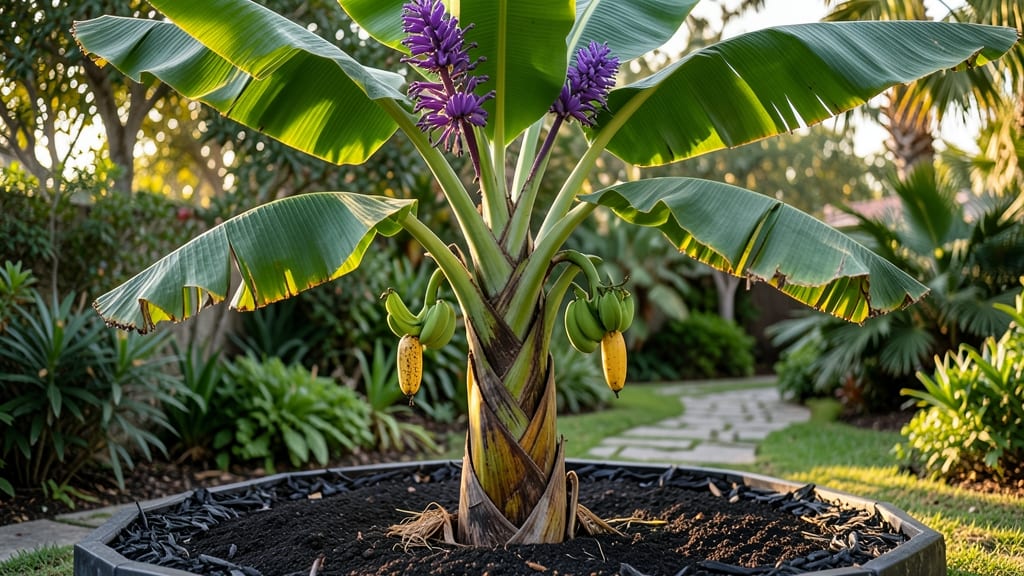
Growing banana trees in full sun transforms your yard into a tropical oasis—even in hotter climates. 🌞 I’ve watched mine go from bare stems to towering, fruit-laden giants in just two seasons, and the secret isn’t just heat tolerance—it’s about matching sunlight, soil, and water to their exact needs.
Most people assume banana trees need constant shade, but the truth is, they crave bold sunlight to fuel their rapid growth and heavy fruit production.
Your banana tree’s full sun requirement means at least 6-8 hours of direct sunlight daily, but the real magic happens when you pair that with well-draining, slightly acidic soil.
Think of it like a spa day for tropical plants: rich, loose soil that mimics their native forest floors, with plenty of organic matter to hold moisture without drowning roots.
Overwatering is the silent killer here—banana trees store water in their trunks, so they’re far more drought-tolerant than you’d expect once established.
By summer’s end, you’ll see those signature banana-shaped leaves unfurl into lush, 6-foot-tall specimens, each one a promise of fruit to come.
The key is consistency: regular watering during dry spells, a balanced fertilizer every 6-8 weeks, and protecting young plants from harsh afternoon sun until they’ve built up their strength.
Even in Zone 9, where I garden, my trees thrive in full sun as long as they get afternoon shade during the hottest months.
Troubleshooting is simple once you know the signs: yellowing leaves mean overwatering or poor drainage, while stunted growth usually points to insufficient sunlight or nutrient deficiencies. The good news?
Banana trees are forgiving—give them the right conditions, and they’ll reward you with harvests that outshine store-bought fruit in both flavor and visual drama. Ready to grow your own tropical giant?
📚 In This Guide
- What you need
- Instructions
- Tips and common mistakes
- Wrapping up and next steps
What you need
- ● Banana tree plant: Choose a Musa variety suited to your hardiness zone (e.g., Musa acuminata for warmer climates or Musa × paradisiaca for hybrids). Buy a healthy, potted sapling (2–3 ft tall) from a nursery.
- ● Full-sun location: A spot receiving 6+ hours of direct sunlight daily (south- or west-facing is ideal in the Northern Hemisphere). Ensure it’s sheltered from strong winds.
- ● Well-draining soil: 50% topsoil (loamy, fertile)
- ● 30% compost (well-aged, organic)
- ● 20% perlite or coarse sand (for drainage; avoid clay-heavy soil)
- ● Large container or in-ground space: For containers: A 15–25 gallon pot with drainage holes (minimum 2 ft diameter for dwarf varieties, 3+ ft for larger types). Use fabric grow bags for better aeration.
- ● For in-ground planting: Dig a hole twice as wide as the root ball and 12–18 inches deep.
- ● Mulch: 3–4 inches of organic mulch (straw, wood chips, or pine bark) to retain moisture and regulate soil temperature.
- ○ Watering can or hose with nozzle: Banana trees need 1–2 inches of water weekly (more in extreme heat). A drip irrigation system (optional but helpful) ensures consistent moisture.
- ● Balanced fertilizer: A 10-10-10 or 20-20-20 NPK fertilizer (or organic alternatives like banana peel compost tea). Apply every 4–6 weeks during growing season (spring–fall).
- ● Pruning tools: Sharp bypass pruners or a pruning saw for removing dead fronds or suckers.
- ● Epsom salt: 1 tbsp per gallon of water monthly to boost magnesium (prevents yellowing leaves).
- ● Shade cloth: 30–50% shade fabric to protect young trees from intense afternoon sun in hot climates.
- ● Support stakes: 3–4 ft bamboo stakes tied to the trunk (if growing in windy areas or training for trellises).
- ● Soil pH test kit: Banana trees prefer pH 5.5–7.0; adjust with lime (to raise pH) or sulfur (to lower) if needed.
Step-by-step guide to growing a banana tree in full sun
Here's how to transform your sunny yard into a tropical paradise with a thriving banana tree.
🌱 Step 1: Choose the Right Variety for Your Climate
Not all banana trees handle full sun equally. For backyard climates, I recommend Dwarf Cavendish or Red Dacca—both tolerate heat and direct sunlight better than tropical varieties. Check your USDA hardiness zone: banana trees thrive in zones 10-11 but can survive brief dips to 28°F if protected.
If you live in zones 8-9, opt for Ice Cream or Bluggoe varieties, which handle cooler nights better. Avoid tropical types like Musa acuminata unless you're in a frost-free zone. The key is finding a variety that matches your average winter lows—this determines whether your tree will survive or just produce one season of fruit.
🪴 Step 2: Plant in Well-Draining Soil with Protection
Banana trees hate soggy roots, so amend your soil with 3-4 inches of compost and 20% perlite or coarse sand to improve drainage. Dig a hole twice as wide as the root ball but only as deep—planting too deep suffocates the roots. Place the tree so the top of the root ball sits 1-2 inches above ground level to prevent waterlogging.
Here's the thing—banana trees need shelter from wind but full sun exposure. Plant near a fence or use bamboo stakes for support, especially in coastal areas where salt spray damages leaves. Mulch heavily with 3-4 inches of straw or wood chips, keeping it 6 inches away from the trunk to prevent rot.
☀️ Step 3: Water Deeply and Strategically
Water deeply 2-3 times per week during the first year, soaking the soil 12-18 inches down. You'll know it's right when water runs out the drainage holes—banana trees drink heavily but can't handle waterlogged roots. After establishment, water once a week unless your area gets less than 1 inch of rain weekly.
I always water in the early morning to reduce fungal risks. Avoid wetting the leaves—use a soaker hose or drip irrigation aimed at the base. Overhead watering in full sun causes leaf scorch, and banana trees are particularly sensitive to that. Watch for yellowing leaves—this often means either overwatering or underwatering.
✂️ Step 4: Fertilize for Fruit Production
Feed your banana tree every 4-6 weeks during growing season (spring through fall) with a balanced 10-10-10 fertilizer. The key is potassium—banana trees need at least 20% of their fertilizer mix in potassium to develop fruit. I mix in 1 cup of banana peel compost monthly for extra potassium naturally.
Stop fertilizing in late fall—new growth won't harden off before winter. If your tree gets frost warnings, cover it with burlap or frost cloth and pile mulch 6 inches deep around the base. Even cold-hardy varieties need protection when temps drop below 32°F. You'll see brown leaf tips if it's too cold—this is normal and not fatal.
🌿 Step 5: Prune and Harvest Properly
Remove dead or yellow leaves as they appear, cutting 1 inch above the base where they meet the stem. Never prune more than 25% of the foliage at once—banana trees rely on leaves for energy. When you see flower spikes (bracts) emerging, that's your signal to reduce watering slightly—this encourages fruit set.
Harvest bananas when they're still slightly green—they'll ripen off the plant. Twist gently until they release from the stem. If you live in a cold climate, dig up the rhizome (corm) after the first frost and store it in sphagnum moss indoors until spring. The rhizome is the secret to regrowing your tree each season—don't throw it away!
Tips & tricks for perfect banana tree growth in full sun
Here's what nobody tells you about growing banana trees successfully in sunny climates.
Variety Selection Matters: The Dwarf Cavendish and Red Dacca varieties are my top recommendations for full sun exposure because they handle heat better than tropical types. If you're in zones 8-9, Ice Cream and Bluggoe varieties are your best bet—they're tougher against cooler nights. I learned this the hard way after losing a tropical variety to a single unexpected frost. The key is matching your tree's hardiness to your winter lows, not just summer heat.
Soil Preparation Secret: Don't just dig a hole—amend your soil with exactly 3-4 inches of compost and 20% perlite or coarse sand. This improves drainage while keeping nutrients available. I always test my soil first with a simple pH kit (aim for 5.5-7.0). The top of the root ball should sit 1-2 inches above ground level—this prevents waterlogging that can kill roots overnight.
Watering Wisdom: Those 2-3 deep waterings per week during the first year aren't just about quantity—they're about technique. Use a soaker hose to deliver water directly to the base, avoiding the leaves completely. I've seen leaf scorch develop within hours from overhead watering in full sun. The soil should stay moist but never soggy—think of it like a wrung-out sponge. After the first year, you can reduce to once weekly unless your area gets less than 1 inch of rain.
Frost Protection Strategy: When temperatures drop below 32°F, your banana tree needs more than just a blanket. I've had success using burlap wraps combined with 6 inches of extra mulch piled around the base. For severe cold snaps (below 28°F), consider moving potted trees indoors or covering them with frost cloth. The brown tips you might see after frost are normal—the tree will regrow leaves in spring.
Pro Tips for Banana Tree Full Sun
- Here's what nobody tells you about growing banana trees successfully in sunny climates.
- Variety Selection Matters: The Dwarf Cavendish and Red Dacca varieties are my top recommendations for full sun exposure because they handle heat better than tropical types.
- Soil Preparation Secret: Don't just dig a hole—amend your soil with exactly 3-4 inches of compost and 20% perlite or coarse sand.
Frequently asked questions
How much full sun does a banana tree actually need?
A banana tree loves full sun—aim for 6 to 8 hours daily in warm climates (zones 10–11). In cooler areas, 4–6 hours with afternoon shade prevents leaf scorch. Watch for yellowing leaves? That’s your cue to adjust shade gradually.
How long does it take for a banana tree to bear fruit in full sun?
Patience is key! Under ideal full-sun conditions, a mature banana tree (3+ years old) can produce fruit within 9–18 months of planting. Younger trees focus on growth first—soak up sunlight, water deeply, and add compost to speed things up.
What if my banana tree gets too much sun and looks stressed?
Overheated leaves? Provide afternoon shade (use shade cloth or a temporary cover) and boost hydration. Pro tip: Mulch the base to retain moisture and reduce root stress. If leaves crisp, prune damaged foliage to encourage new, healthier growth.
Can I grow a banana tree in full sun indoors?
Indoors? Not ideal—banana trees need bright, indirect light (a south-facing window with 4+ hours of sunlight max). For full-sun lovers, a sunroom or greenhouse with supplemental grow lights works best. Expect slower growth without natural sunlight.
What’s the fastest way to get fruit from a banana tree in full sun?
Combine these 3 tricks:
- Fertilize monthly with banana-specific food (high potassium/phosphorus).
- Water deeply 2–3 times weekly (soil should stay moist but not soggy).
- Hand-pollinate flowers with a soft brush if bees aren’t visiting.
Why aren’t my banana tree’s leaves turning yellow in full sun?
Yellowing leaves often signal overwatering, nutrient deficiency, or pests. Check:
- Drainage: Ensure pots have holes or soil isn’t compacted.
- Soil test: Banana trees crave potassium and magnesium.
- Inspect: Spider mites or aphids love stressed plants—spray with neem oil if needed.
Wrapping up and next steps
Growing a banana tree in full sun is totally doable—even in backyard climates that aren’t tropical! With the right location, soil prep, and a little TLC, you’ll be harvesting sweet, homegrown bananas in no time. 🌞✨
Ready to take the next step? Start by planting your banana tree this season and watch it thrive under the sun. Need more tips? Check out our guide on caring for banana trees in cooler climates to keep your plant happy year-round!