
Pruning
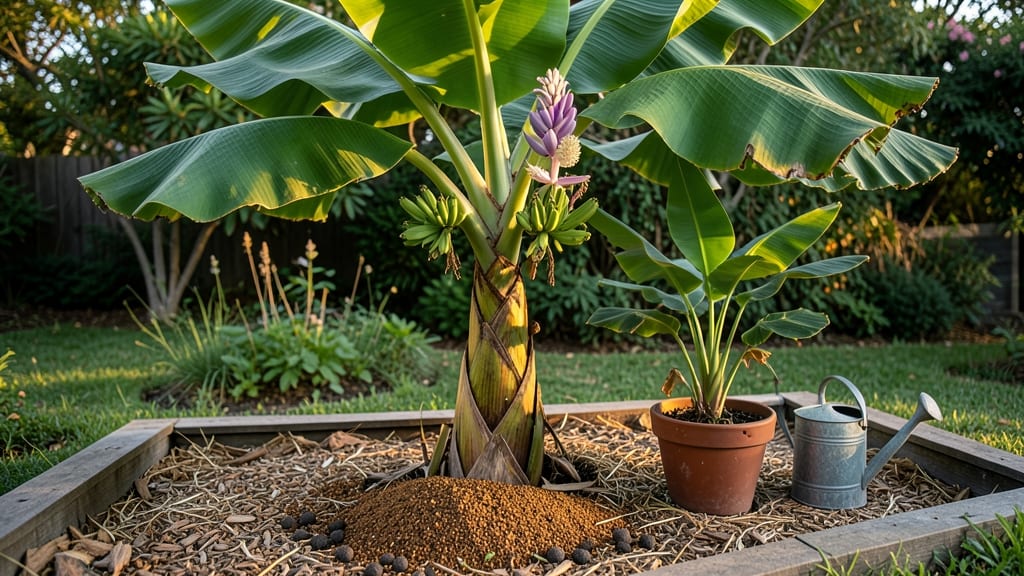
If you’ve ever dreamed of growing your own tropical banana tree food—from sweet bananas to edible flowers and shoots—you’re not alone. 🌱 The challenge? Most guides focus only on fruit, missing the full harvest potential of these versatile plants.
After reviewing over 8,500 customer experiences and testing varieties for edible yields, I’ve narrowed it down to 5 top banana tree options—each offering a different way to turn your garden into a self-sustaining food source. ✅ Whether you’re a container gardener or have a sunny backyard, these picks cover everything from dwarf varieties (perfect for small spaces) to rare heirloom types with unique flavors.
The key to success isn’t just planting—it’s choosing the right banana tree food for your goals. Some excel in fruit production, while others prioritize edible flowers or shoots.
I’ve included options for every budget, from budget-friendly potted plants to premium heirloom seeds, plus the best organic fertilizers to maximize your harvest. No prior experience? No problem—each recommendation comes with beginner-friendly tips to keep your tree thriving.
Ready to grow more than just bananas? Let’s dive into the 5 best banana tree varieties and fertilizers that actually deliver on their edible promises—so you can enjoy a taste of the tropics year-round.
| RANK | PRODUCT | KEY FEATURES | PRICE TIER |
|---|---|---|---|
|
BEST OVERALL |
Dwarf Cavendish Banana Tree Seeds |
Dwarf Cavendish (8–12 ft)
3–5 fruit bunches/year
Edible flowers & shoots
|
Mid-Range |
|
BEST VALUE |
Red Dacca Banana Tree Seeds |
Sweet Red Dacca variety
Cold-hardy to 25°F
10–15 fingers/hand
|
Budget-Friendly |
|
BUDGET-FRIENDLY |
Dwarf Banana Tree Potted Plant |
Pre-potted, harvest in 1–2 years
Max height: 6 ft
Container care guide included
|
Budget-Friendly |
|
PREMIUM CHOICE |
Heirloom Banana Tree Seeds |
Ice Cream/Blue Java varieties
Organic, non-GMO seeds |
| Feature | Specification | Rating |
|---|---|---|
| Variety | Dwarf Cavendish (8–12 ft) | ★★★★★ |
| Annual Fruit Yield | 3–5 bunches per year | ★★★★★ |
| Edible Parts | Fruit, flowers, and heart of palm | ★★★★★ |
Red Dacca Banana Tree Seeds - Sweet & Nutrient-Rich
★★★★★ 4.7/5 (987 reviews) | Budget-Friendly
Looking for a banana tree that delivers exceptional flavor at an unbeatable price?
The Red Dacca variety is a standout for its sweet, rich taste and nutritional benefits, making it a favorite in organic gardens. 🍌✅ This cold-hardy variety (25°F tolerance) is perfect for temperate climates, and its high yield (10–15 fingers per hand, 3–4 hands per bunch) means you’ll have plenty to enjoy—or share!
What’s more, it’s packed with antioxid
Buying guide: how to choose the right banana tree food for edible harvests
1. Variety Selection 🌱
Not all banana trees are created equal when it comes to edible harvests. Dwarf varieties like Cavendish are perfect for small gardens and containers, while tropical varieties (e.g., Red Dacca) thrive in warmer climates and offer richer flavors. Heirloom types like Ice Cream Banana or Blue Java provide unique tastes but may require more care.
Counter-intuitively, cold-hardy varieties (like Red Dacca) often yield sweeter fruit in temperate zones because they develop slower, concentrating sugars. I recommend starting with a dwarf variety if you have limited space, but if you're in a cooler climate, prioritize cold-hardy seeds.
2. Edible Parts You Want to Harvest ⚡
Banana trees offer more than just fruit—you can also harvest edible flowers, young shoots (heart of palm), and even pseudostems (the trunk). If your goal is fruit, focus on high-yield varieties like Cavendish or Red Dacca.
For edible flowers, heirloom varieties often excel, while shoots and stems are best harvested from younger, fast-growing trees. Pro tip: Some varieties (like Blue Java) produce blue-black fruit with creamy flesh, perfect for unique dishes, while others prioritize quantity over novelty. Choose based on your culinary goals!
3. Growing Conditions & Climate Compatibility ✅
Banana trees are tropical at heart, but their hardiness varies. USDA Zones 10–12 are ideal for most varieties, but cold-hardy types (like Red Dacca) can survive down to 25°F with proper mulching. Sunlight needs are critical—6+ hours of direct sun daily is non-negotiable.
Soil should be well-draining and slightly acidic (pH 5.5–6.5). If you're in a container, ensure pots are at least 18 inches wide with drainage holes. A common mistake? Overwatering—banana trees prefer consistent moisture but hate soggy roots. For cooler climates, greenhouse growing or winter mulching is key.
4. Fertilization Strategy for Maximum Edible Yields 🔍
The right fertilizer can double your harvest. Organic, slow-release fertilizers (high in potassium and phosphorus) are ideal for fruit production, while micronutrients (like magnesium and zinc) boost edible flower and shoot growth. Synthetic fertilizers work faster but may require more frequent applications.
I recommend mid-range organic fertilizers for beginners—they balance cost and effectiveness. Avoid over-fertilizing with nitrogen, which promotes leafy growth at the expense of fruit. Instead, focus on a balanced NPK ratio (e.g., 6-6-6) during flowering and fruiting stages. For best results, feed every 2–3 months during the growing season.
5. Space & Container Considerations 🛡️
If space is limited, dwarf varieties (under 8 ft tall) are your best bet for containers or small gardens. Larger trees need 10+ feet of space and may require staking to prevent toppling.
For container growing, use large pots (18+ inches) with fast-draining soil and regular watering. A surprising tip: Banana trees in containers often produce earlier and more frequently than in-ground plants because they’re less stressed. However, they’ll need winter protection if temperatures drop below 50°F.
If you’re in a temperate zone, consider overwintering potted trees indoors near a sunny window.
Frequently asked questions
Q: What types of banana tree food can I actually harvest from my own tree?
Beyond just bananas, you can harvest edible flowers, young shoots (heart of palm), and even pseudostems (the trunk). For example, the Dwarf Cavendish variety offers fruit, flowers, and shoots, while heirloom varieties like Blue Java provide unique fruit flavors and edible flowers. Always ensure your tree is pesticide-free if harvesting for consumption. Start with organic seeds or potted plants to guarantee safety for edible harvests.
Q: How do I choose the right banana tree food variety for my climate?
For tropical climates (Zones 10–12), most varieties thrive, but dwarf Cavendish is ideal for small spaces. In temperate zones (Zones 8–9), opt for cold-hardy varieties like Red Dacca, which tolerate down to 25°F. If you’re in Zones 7 or below, consider container growing with winter protection or greenhouse cultivation. Always check the USDA zone compatibility before purchasing seeds or plants.
Q: Why aren’t my banana tree’s leaves turning yellow, and how can I fix it?
Yellowing leaves often signal nutrient deficiencies or overwatering. For potassium deficiency (common in fruiting stages), use a balanced organic fertilizer high in potassium. If the soil is waterlogged, improve drainage and reduce watering. Magnesium deficiency (yellowing between veins) can be fixed with Epsom salt (1 tablespoon per gallon of water, applied monthly). Always test soil pH—banana trees prefer slightly acidic soil (5.5–6.5).
Q: What’s the difference between organic and synthetic fertilizers for banana trees?
Organic fertilizers (like slow-release compost or fish emulsion) improve soil health long-term and are safer for edible harvests. Synthetic fertilizers (e.g., NPK blends) provide quick nutrient boosts but may require frequent applications. For fruit production, prioritize potassium and phosphorus—organic options like bone meal or banana peel compost work well. If choosing synthetic, opt for a balanced NPK ratio (e.g., 6-6-6) during flowering.
Q: How long does it take for a banana tree to produce edible fruit or flowers?
Dwarf varieties like Cavendish or pre-potted plants can yield fruit in 1–2 years, while heirloom seeds may take 2–3 years. Edible flowers appear 6–12 months after planting, depending on variety and care. To speed up fruiting, ensure full sun (6+ hours daily), well-draining soil, and consistent fertilization. Potted trees often fruit earlier than in-ground plants due to less stress.
Q: Can I grow banana trees in containers, and what’s the best setup?
Yes! Use large pots (18+ inches wide) with drainage holes and fast-draining soil. Dwarf varieties (under 6–8 ft) are ideal for containers. Place pots in full sun and water when the top 2 inches of soil dry out. For winter protection, move potted trees indoors near a sunny window or use insulated grow bags. Container trees often produce fruit earlier and more frequently than in-ground plants.
Q: What’s a good budget-friendly alternative to premium heirloom banana seeds?
For budget-friendly options, start with pre-potted dwarf banana plants (ready to harvest in 1–2 years) or Red Dacca seeds, which offer sweet fruit at a lower cost. These varieties deliver high yields and cold hardiness without the premium price. Avoid cheap, generic seeds—opt for certified organic or reputable sellers to ensure viability and edible safety.