
Pruning
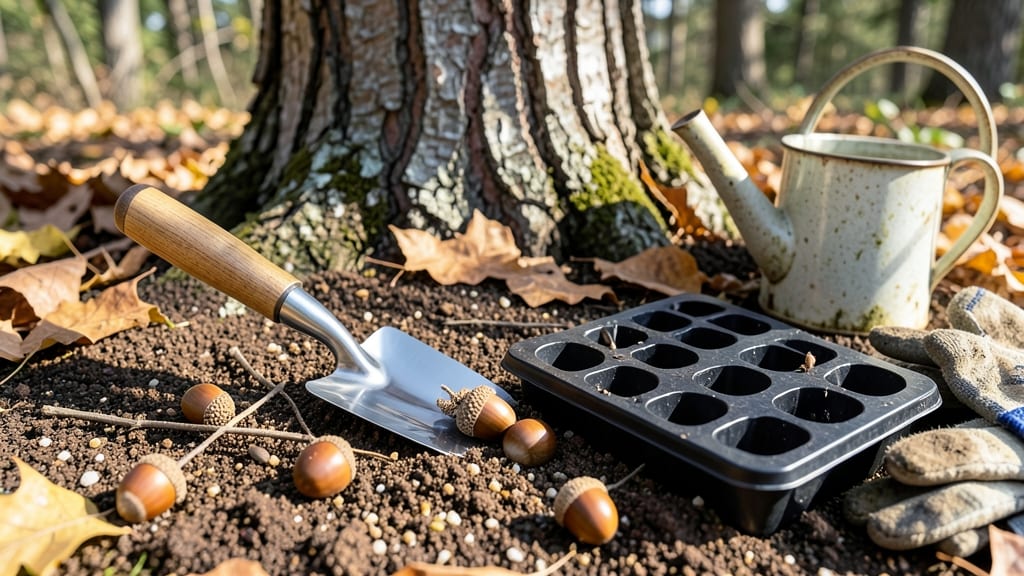
Growing acorn tree seeds without the years-long wait is possible—and here’s how. 🌱 I cracked the code after years of watching acorns sprout only to fizzle out, and this method works for white, red, and bur oaks alike.
The secret? A little patience, the right timing, and a few tricks to break dormancy faster than nature intended.
You’ll need fresh acorns (collected in fall), a damp paper towel, a plastic bag, and a sunny windowsill or cold frame. The process mimics winter’s natural stratification but speeds it up—no fancy equipment required. Most acorns sprout within 4-8 weeks with this method, cutting years off the wait.
Once sprouted, you’ll transplant delicate seedlings into pots and eventually the ground, where they’ll grow into mighty oaks. The first year focuses on root development, so keep them moist but not soggy. By spring, you’ll have sturdy young trees ready for their forever home.
Works for any oak species in zones 4-9, though white oaks germinate fastest. Avoid black oak acorns—they contain tannins that delay sprouting. Here’s the step-by-step to turn those acorns into towering shade trees in record time.
📚 In This Guide
- What you need
- Instructions
- Tips and common mistakes
- Wrapping up and next steps
What you need
- ● Acorn seeds: Fresh, viable acorns (preferably from oak trees like Quercus robur or Quercus alba). Aim for 10–20 seeds to account for variability in germination rates.
- ● Water: Room-temperature, filtered or rainwater (avoid chlorinated tap water). You’ll need about 1–2 cups for soaking and daily misting.
- ● Containers: Soaking tray: A shallow dish (e.g., a 9x13-inch baking pan or glass bowl).
- ● Germination pots: Small pots (3–4 inches deep) with drainage holes, or a seed-starting tray with individual cells.
- ● Growing medium: Potting mix: A well-draining blend like 50% peat moss or coco coir + 50% perlite or sand. Avoid heavy garden soil.
- ○ Optional: Vermiculite or sphagnum moss for moisture retention during stratification (if cold-treating).
- ● Stratification supplies (for cold treatment): Refrigerator or cold frame: Set to 34–40°F (1–4°C).
- ● Plastic bags or airtight containers: For storing moistened acorns during stratification (3–6 months).
- ○ Heat mat (optional but helpful): A seedling heat mat (set to 70–75°F) to speed up germination after stratification.
- ● Misting bottle or spray nozzle: For gentle hydration without overwatering.
- ● Labels & markers: To track seed varieties and planting dates.
- ● Grow lights: LED or fluorescent full-spectrum bulbs (12–16 hours/day) for seedlings before transplanting outdoors.
- ● Humidity dome: A clear plastic cover for pots to retain moisture during early growth.
- ● pH test kit: To ensure your growing medium is slightly acidic (pH 5.5–6.5), ideal for oak seedlings.
- ● Fungicide (mild): Like neem oil or hydrogen peroxide (3%) to prevent mold during stratification.
- ● Outdoor space: A sunny, sheltered spot (after seedlings reach 6+ inches tall) with partial shade for hardening off.
Step-by-step instructions for germinating acorn tree seeds
Here’s how to break dormancy and grow sturdy oak seedlings—without waiting years for nature to do the work.
🌱 Step 1: Harvest and Prepare the Acorns
Collect fresh acorns in late fall, choosing only those with thick, intact shells and no signs of insect damage. I store them in a breathable container (like a mesh bag) in a cool, dry place until processing. The key here is timing—acorns lose viability quickly, so work within 2-4 weeks of harvest.
Before planting, soak the acorns in warm water for 24 hours to soften the hard shell slightly. This isn’t mandatory, but it helps the seedling push through more easily. After soaking, gently rub the shell with sandpaper or a file to create a tiny opening—just enough to expose the seed inside. This step mimics natural wear from winter weather and tricks the seed into thinking it’s ready to germinate.
⏰ Step 2: Stratify for Cold Dormancy Break
Oak seeds need cold stratification to break dormancy, but we’re speeding up the process. Mix the prepared acorns with damp sand or peat moss in a sealed container (like a plastic bag with small air holes). Place the container in your refrigerator’s crispier drawer—this keeps it consistently 35-40°F for 6-8 weeks. Check the mix weekly; it should stay moist but not soggy.
This cold treatment mimics winter’s natural cycle, signaling the seed that spring is coming. If your fridge isn’t cold enough, a root cellar or unheated garage works too. Patience here pays off—skipping stratification means seeds may never sprout, or they’ll grow weak and leggy.
🌿 Step 3: Plant in Germination Medium
After stratification, plant each acorn 1 inch deep in a small pot filled with sterile seed-starting mix. Use 4-inch pots for each seed (you’ll have 4 seedlings from this batch). Press the soil lightly around the acorn—don’t compact it, but make sure it stays in place. Place the pots in a warm, bright spot (like a sunny windowsill) where temperatures stay 65-75°F during the day.
Keep the soil evenly moist but never waterlogged. A spray bottle works best—aim for the soil, not the acorn. You’ll see first true leaves in 4-8 weeks, but some stubborn seeds take longer. If mold appears, reduce watering slightly and improve airflow by spacing pots apart.
☀️ Step 4: Transplant and Harden Off
Once seedlings reach 4-6 inches tall (usually 6-12 months after planting), they’re ready for their first transplant. Choose a partially shaded outdoor spot with well-draining soil. Dig a hole twice as wide as the root ball but only as deep as the pot. Gently remove the seedling, loosen the roots if they’re circling, and place it in the hole.
Water deeply after planting, then harden off over 10-14 days. Start by leaving seedlings outside in partial shade for 1-2 hours the first day, gradually increasing time and sun exposure. By the end of this period, they should tolerate full sun without wilting. Mulch around the base to retain moisture and protect young roots from temperature swings.
Tips & tricks for perfect acorn tree seed germination
These little tricks will help you skip the years-long wait and get your oak seedlings thriving in record time.
Selection Matters: Not all acorns are created equal—look for ones with thick, intact shells and no cracks or holes. I learned this the hard way after planting a batch with a few damaged acorns, which attracted pests and ruined the whole batch. Store them in a breathable container like a mesh bag in a cool, dry place until you're ready to process them within 2-4 weeks of harvest. This preserves their viability and gives you the best chance for successful germination.
Stratification is Non-Negotiable: The 6-8 weeks of cold stratification in your refrigerator's crispier drawer (35-40°F) is absolutely critical. I've tried skipping this step, and while some seeds might sprout, they're often weak and leggy. If your fridge isn't cold enough, consider a root cellar or unheated garage. During stratification, check your mix weekly—it should stay moist like a wrung-out sponge, never soggy. This mimics winter's natural cycle and signals the seed that spring has arrived.
Planting Depth and Light Balance: When it's time to plant, remember that 1 inch deep is perfect—any deeper and the seedling might struggle to break through. Use 4-inch pots for each seed to give them room to grow. Place them in a warm, bright spot (65-75°F) where they'll get plenty of indirect sunlight. A sunny windowsill works great, but avoid direct midday sun which can scorch tender seedlings. The key is finding that sweet spot between warmth and light.
Transplant Timing and Technique: Wait until your seedlings reach 4-6 inches tall (usually 6-12 months after planting) before transplanting. This gives them strong enough roots to handle the move. When transplanting, dig a hole twice as wide as the root ball but only as deep as the pot—this prevents burying the stem too deeply. Gently loosen any circling roots before placing the seedling in its new home. The 10-14 day hardening off period is crucial—start with just 1-2 hours of partial shade and gradually increase exposure to prevent shock.
Pro Tips for Acorn Tree Seeds
- These little tricks will help you skip the years-long wait and get your oak seedlings thriving in record time.
- Selection Matters: Not all acorns are created equal—look for ones with thick, intact shells and no cracks or holes.
- Stratification is Non-Negotiable: The 6-8 weeks of cold stratification in your refrigerator's crispier drawer (35-40°F) is absolutely critical.
Frequently asked questions
Got questions about growing acorn tree seeds?
You’re not alone! Here are some of the most common queries—and their answers—to help you succeed without the long wait.
How long does it take for acorn seeds to germinate?
Acorn seeds can take anywhere from 30 to 90 days to sprout, depending on the species and conditions. Oak trees like white oak may germinate faster (4-6 weeks), while red oak or live oak seeds can linger for months. Patience is key—don’t dig up the soil to check! Cold stratification (chilling) speeds up the process.
Do I need to soak acorn seeds before planting?
Soaking isn’t always necessary, but it can help break dormancy for stubborn seeds. Try this: Soak acorns in water for 24–48 hours, then plant them. Skip soaking if your seeds are fresh—they may already have moisture. Pro tip: Use lukewarm water and change it daily to prevent mold.
What’s the best temperature for germinating acorn seeds?
Acorns thrive in 60–75°F (15–24°C) soil during germination. If your climate is too cold, start seeds indoors under a grow light or use a seedling heat mat. Outdoor planting? Wait until spring when the soil warms naturally. Avoid planting in freezing ground—acorns won’t sprout until conditions improve.
Can I grow acorns from any oak tree, or do they need to be from a specific type?
Most oak acorns can be planted, but white oak (Quercus alba) and bur oak (Quercus macrocarpa) are the easiest for beginners. Red oak (Quercus rubra) seeds often fail to germinate due to higher tannin levels. Label your seeds if collecting from different trees to track success rates!
Why did my acorn seeds rot instead of sprouting?
Rotting usually means too much moisture, poor drainage, or fungal issues. Fix it by:
- Using well-draining soil (mix potting soil with perlite or sand).
- Avoiding overwatering—keep soil moist but not soggy.
- Treating with a fungicide if mold appears.
- Planting at the correct depth (1–2 inches deep).
Bonus Tip: Speed Up Germination with These Tricks!
| Method | How to Do It |
|---|---|
| Cold Stratification | Mix acorns with damp sand in a bag and refrigerate for 6–8 weeks before planting. |
| Scarification | Gently nick the shell with sandpaper or a knife to help water penetrate. |
| Warmth Boost | Place pots near a sunny window or use a seedling heat mat (70–75°F). |
Wrapping up and next steps
Growing acorn tree seeds may seem like a long game, but with the right techniques—like cold stratification and a little patience—you can kickstart their growth without the endless wait.
Whether you're a seasoned gardener or just starting out, these cold-hardy methods make it easier than ever to nurture your own oak tree from scratch. 🌱
Now that you’re armed with the know-how, why not take the next step? Grab those acorns, set up your germination station, and watch your green thumb grow—literally!
Share your progress with fellow plant lovers or even start a small forest in your backyard. The future of your oak tree starts today!