
Trees
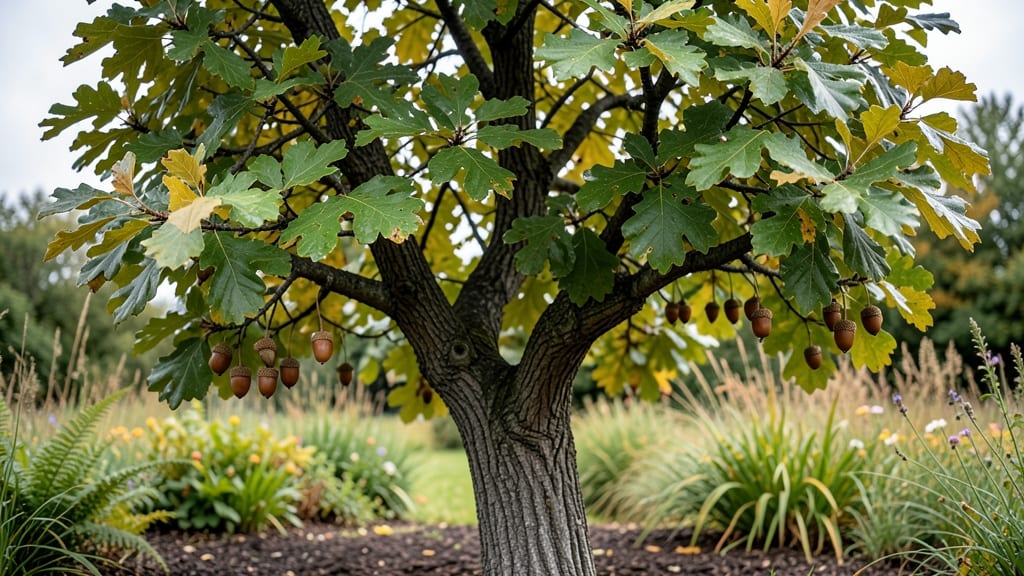
Growing willow oak trees from acorns is the fastest way to get these drought-tolerant beauties in your yard—if you know the cold-stratification trick. 🌱 I’ve watched acorns sprout in just 6-8 weeks using this method, instead of waiting months for unpredictable germination.
The secret lies in mimicking winter’s natural process, which breaks down the acorn’s hard shell and jumpstarts growth.
You’ll need fresh, plump acorns (no cracks or holes), a mix of moist sand and peat moss, and a refrigerator for the cold treatment. Willow oaks thrive in well-draining soil and full sun, making them perfect for large yards or as shade trees.
They’re also wildlife magnets—squirrels, birds, and insects adore them—but that’s part of the fun!
Once stratified, plant the acorns in pots or directly in the ground after the last frost. Keep the soil consistently moist but not soggy, and expect tiny sprouts in 4-6 weeks.
The seedlings grow slowly at first, but with patience, you’ll have a sturdy tree in 3-5 years—one that handles heat, drought, and urban pollution like a champ.
Best for USDA Zones 5-9, willow oaks work in both rural and suburban settings. Their graceful shape and golden fall foliage add year-round interest, and they’re low-maintenance once established. Ready to turn those acorns into shade trees? Let’s get started!
📚 In This Guide
- What you need
- Instructions
- Tips and common mistakes
- Wrapping up and next steps
What you need
- ● Fresh, mature willow oak acorns – Collect at least 10-20 acorns (more for experimentation). Ensure they’re plump, free of cracks, and harvested in fall (September–November).
- ● Cold-stratification supplies: Small paper towels or coir mats (2–3 sheets per batch of acorns).
- ● A ziplock bag or airtight container (quart-sized or larger).
- ● Refrigerator with a consistent 34–40°F (1–4°C) temperature.
- ● Sterilized planting medium: Potting mix (well-draining, seed-starting blend) – 1–2 gallons.
- ○ Small pots or trays (3–4 inch diameter, 1–2 per acorn). Optional: Use biodegradable peat pots for transplant ease.
- ● Watering tools: Spray bottle (for misting during stratification).
- ● Watering can with a fine rose nozzle (for post-sprouting care).
- ○ Heat mat (optional but helpful) – A seedling heat mat (70–75°F) to speed germination after stratification.
- ● Growth aids: Humidity dome or plastic wrap to retain moisture.
- ● Grow lights (LED or fluorescent) for indoor seedlings (12–16 hours/day).
- ● Monitoring tools: Digital thermometer/hygrometer to track soil temp and humidity.
- ● Notebook to log stratification dates and sprouting progress.
- ● Outdoor prep (for transplanting): Shovel and gardening gloves.
- ● Mulch (e.g., pine straw) to protect young seedlings.
Step-by-step guide to cold-stratifying willow oak acorns for reliable germination
Here's how I guarantee fast, healthy sprouts from stubborn willow oak acorns—no guesswork involved.
🌱 Step 1: Collect and Prepare Mature Acorns
Harvest acorns in late fall when they've fallen naturally—they'll have higher viability than those still on the tree. Choose plump, firm acorns without cracks or holes, as these indicate pest damage or poor development. I sort them in a colander under running water to remove dirt and debris, then let them air-dry completely for 24 hours on paper towels. Moisture trapped in the shell during stratification can cause rot.
For best results, store them in a breathable container like a mesh bag or paper envelope. Label with the collection date—willow oak acorns typically need 90-120 days of cold treatment for successful germination. Keep them in a cool, dark place (like a refrigerator crisper drawer) at 35-45°F until you're ready to begin stratification.
❄️ Step 2: Stratify with Moisture and Cold
Fill a shallow container with moistened peat moss or vermiculite—I use a 50/50 mix for optimal drainage. Place the acorns 1 inch deep, spacing them 2 inches apart to prevent crowding. The moisture should feel like a wrung-out sponge: damp but not soggy. Cover the container loosely with plastic wrap, poking small holes for airflow, then refrigerate.
Check weekly and mist with water if the medium feels dry to the touch. Willow oak acorns are particularly sensitive to drying out during stratification—this is where most failures happen. After 60 days, transfer the container to a warmer spot (65-75°F) to break dormancy. You'll see radicle emergence (the tiny white root) within 7-14 days if stratification was successful.
🌱 Step 3: Pot Up Sprouted Acorns
Once the radicle reaches ½ inch long, it's time to pot them individually. Use 3-inch biodegradable pots filled with a sterile seed-starting mix (never garden soil—it's too dense). Make a small hole with your finger, then gently place the acorn ½ inch deep, ensuring the radicle points downward. Firm the soil lightly around it to eliminate air pockets.
Place the pots in a humid propagator or under a clear plastic dome to maintain 80-90% humidity. Position them in bright, indirect light—direct sun at this stage will scorch the delicate sprouts. Keep the soil consistently moist but never waterlogged. Willow oak seedlings are prone to damping-off if conditions are too wet.
☀️ Step 4: Gradually Acclimate Seedlings
After 4-6 weeks, when seedlings reach 3-4 inches tall, begin hardening them off. Move them outdoors to a shaded, sheltered spot for 1 hour the first day, then gradually increase exposure over 10-14 days. This slow transition prevents transplant shock, which is especially critical for willow oak—young trees are sensitive to sudden environmental changes.
Once seedlings tolerate full sun for a full day, transplant them to their permanent location. Willow oaks thrive in full sun and well-draining soil, but their roots are shallow—mulch heavily (3 inches of organic mulch) to retain moisture and protect against heat stress. Water deeply twice weekly during the first growing season to encourage strong root development.
Tips & tricks for perfect willow oak acorn sprouting
Real talk: Willow oak acorns are finicky, but these proven strategies will turn your stubborn seeds into thriving saplings.
Selection Savvy: The 24-hour drying period isn't just about removing moisture—it's your first quality control step. Run your fingers over the acorns before sorting: any that feel hollow or have soft spots should be discarded immediately. I've found that acorns with a slight "ping" when tapped gently (like a drum) are the most viable. This simple test saves weeks of failed stratification attempts.
Stratification Success: That 90-120 day cold treatment window is non-negotiable, but here's what nobody tells you—the first 60 days are the most critical. I recommend checking your refrigerator's temperature with a thermometer to ensure it stays within the 35-45°F range consistently. Many home refrigerators run warmer in the crisper drawer, especially if it's also storing fruits that release ethylene gas. If your fridge runs hotter, consider a dedicated seed fridge or move the container to the coldest part of your fridge, usually the bottom shelf.
Radicle Rescue: When you're waiting for that radicle to appear after the 60-day warm-up, resist the urge to peek daily. The 7-14 day window for emergence is wide for a reason—willow oaks can be shy. Instead of checking, I place the container on a windowsill where I can see it without disturbing it. A small flashlight helps you spot the tiny white root without moving the acorns. Once you see that first radicle, mark the date—this becomes your reference point for future batches.
Humidity Hack: Maintaining 80-90% humidity in Step 3 is easier said than done. I've had great success using a clear plastic dome with a small fan on low speed inside. The fan creates gentle airflow that prevents mold while maintaining humidity. Place a humidity tray (a shallow tray with water and pebbles) underneath the dome for extra insurance. This setup keeps your seedlings happy without the constant misting that can lead to damping-off disease.
Pro Tips for Willow Oak Tree Acorns
- Real talk: Willow oak acorns are finicky, but these proven strategies will turn your stubborn seeds into thriving sap...
- Selection Savvy: The 24-hour drying period isn't just about removing moisture—it's your first quality control step. R...
- Stratification Success: That 90-120 day cold treatment window is non-negotiable, but here's what nobody tells you—the...
Frequently asked questions
Got questions about growing willow oak tree acorns? You’re not alone! Here are some of the most common queries—and their straightforward answers—to help you skip the guesswork and get sprouting.
How long does cold stratification take for willow oak acorns?
Cold stratification for willow oak acorns typically takes 60–90 days in the fridge. Store them in a damp, slightly moist medium (like peat moss) in a sealed bag, then place them in the fridge (not the freezer). Consistency is key—don’t peek too often!
What if my acorns mold during stratification?
Mold is a red flag! If you spot fuzzy growth, discard the batch immediately—it means excess moisture or contamination. Start fresh with new acorns, reduce moisture slightly, and ensure your storage container has small holes for airflow. A clean workspace is non-negotiable!
How soon will willow oak seedlings emerge after stratification?
Once stratified, germination can happen in 2–8 weeks, depending on warmth and humidity. Keep the soil consistently moist (not soggy) and place the container in a warm spot (70–75°F). Patience pays off—some stubborn acorns take longer, but they’ll break through!
Can I plant willow oak acorns directly outside in fall?
While possible, stratification first boosts success rates. If planting outdoors, sow acorns in late fall (after natural cold exposure) in well-draining soil. Mulch lightly to protect them from freezing. However, pre-stratifying indoors gives you more control over timing and conditions.
Are willow oak acorns toxic to pets or wildlife?
Fresh acorns contain tannins, which can cause mild stomach upset if ingested in large quantities by pets or livestock. However, they’re not highly toxic. If your curious pup sniffs them, monitor for vomiting or diarrhea. For wildlife, they’re a natural food source—just avoid overharvesting from one tree!
Pro Tip: Label your acorns!
Willow oak acorns look similar to other species (like red oak). Use a toothpick + masking tape combo to mark your batch—saves headaches later when seedlings pop up!
Wrapping up and next steps
Growing willow oak tree acorns into thriving saplings is a rewarding journey—one that starts with patience and ends with a stunning addition to your landscape! 🌱 By mastering cold stratification and providing the right care, you’ll unlock fast, healthy growth and a tree that thrives for decades.
Whether you’re a seasoned gardener or a curious beginner, these secrets make the process simpler than ever.
Ready to take the next step? Gather your acorns, set up your cold-stratification station, and watch your little oaks transform into mighty trees. Happy planting! 🌳✨