
Diseases
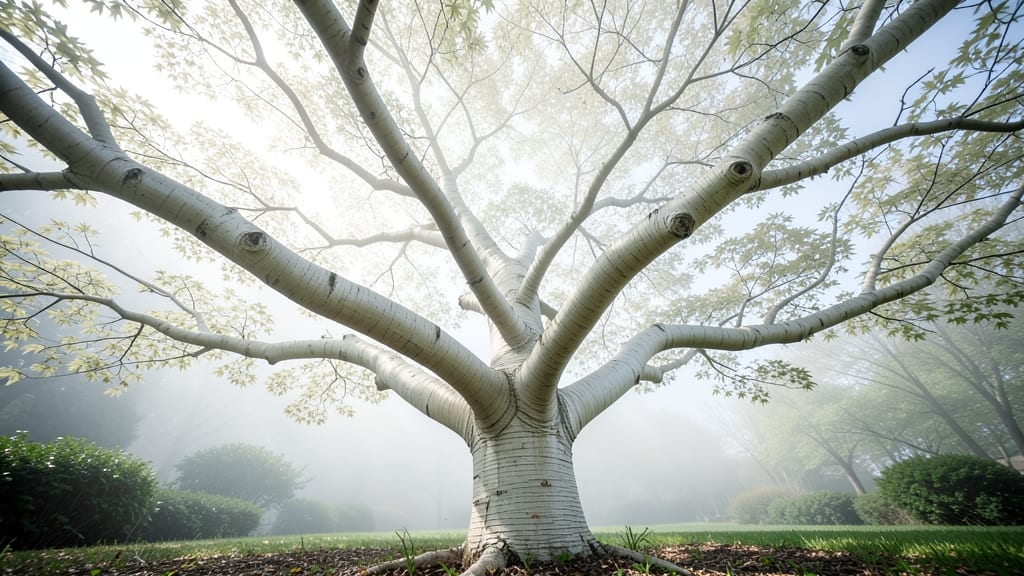
Craving a garden that exudes purity and sophistication? These 10 white-barked trees transform any landscape into a serene, high-contrast masterpiece—ideal for winter interest, modern aesthetics, or dramatic focal points.
Paper Birch Trees with Peeling White Bark
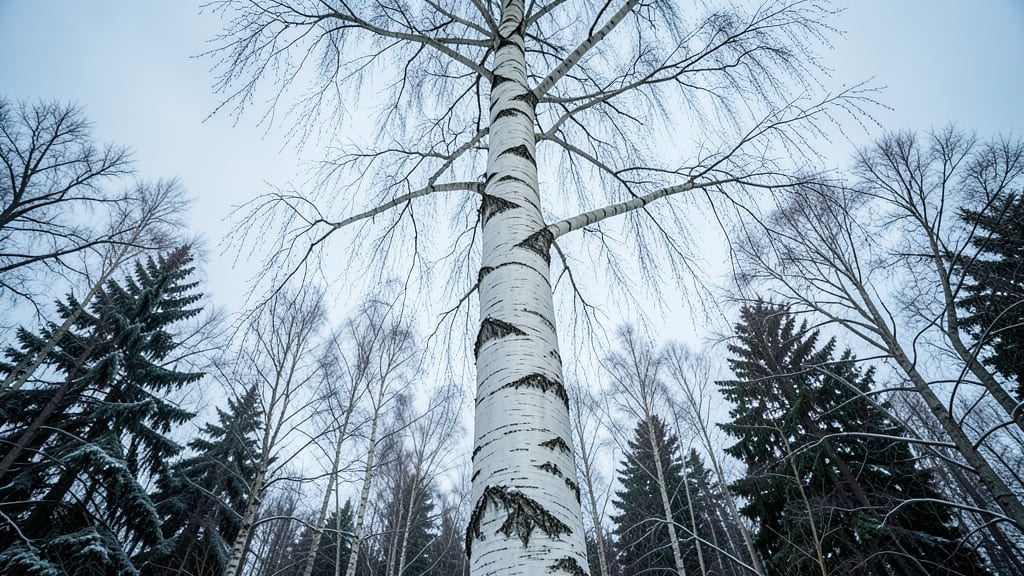
Transform your garden into a winter wonderland with paper birch trees, whose peeling white bark glows like moonlight against the dark. This iconic tree thrives in cooler climates, making it perfect for northern gardens or woodland edges where its ethereal beauty shines year-round.
The ghostly white bark peels horizontally in delicate layers, revealing fresh cream underneath—a natural process that adds texture and visual interest. Plant them in well-draining soil with full sun to partial shade, and watch their slender trunks create a dreamy, fairy-tale atmosphere. They’re also low-maintenance, tolerating drought once established and adding height without overwhelming smaller spaces.
Perfect for gardeners who love textural contrast, these trees pair beautifully with evergreens or ferns. Their winter charm makes them a standout choice for those seeking seasonal drama with minimal effort. ✨
Silver Birch Trees for Graceful Movement
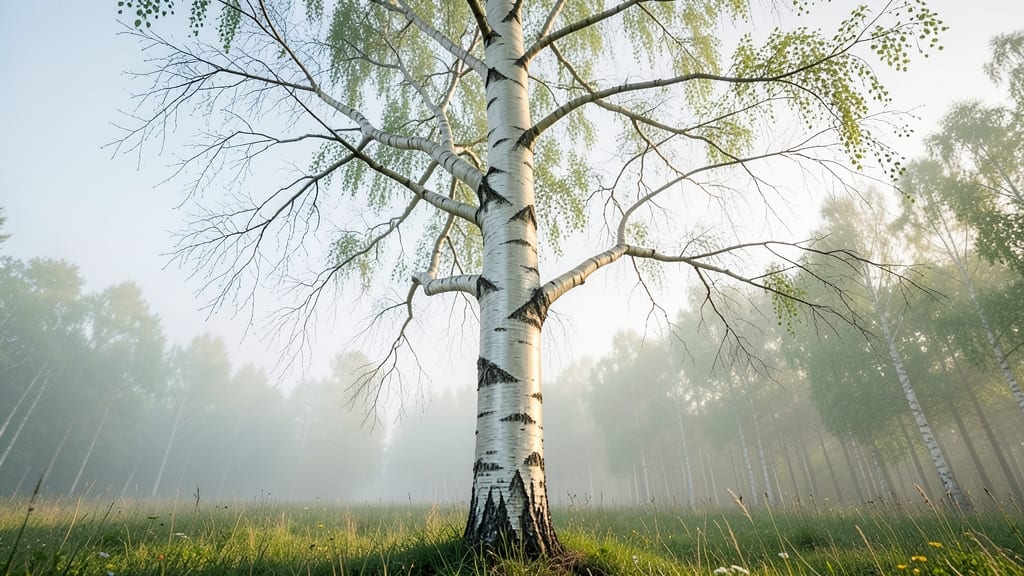
Want a tree that dances with the wind while adding a touch of ethereal beauty to your garden? The silver birch (Betula pendula) delivers graceful movement with its slender trunks and silvery-white bark that shimmers in sunlight. Unlike its peeling cousin, this tree’s smooth, luminous bark creates a striking contrast against any backdrop.
Silver birches thrive in full sun to partial shade and adapt to various soil types, making them ideal for small spaces or urban gardens. Plant them 15-20 feet apart for a natural screen, or use a single specimen as a focal point near patios or pathways. Their delicate catkins in spring add seasonal interest, while their golden foliage in autumn extends their appeal.
Perfect for beginners or space-conscious gardeners, silver birches require minimal pruning and tolerate urban pollution, making them a resilient yet elegant choice. Their swaying branches create a soothing, dynamic presence—like nature’s own wind chime. 🌿
Ghost Tree with Pure White Bark
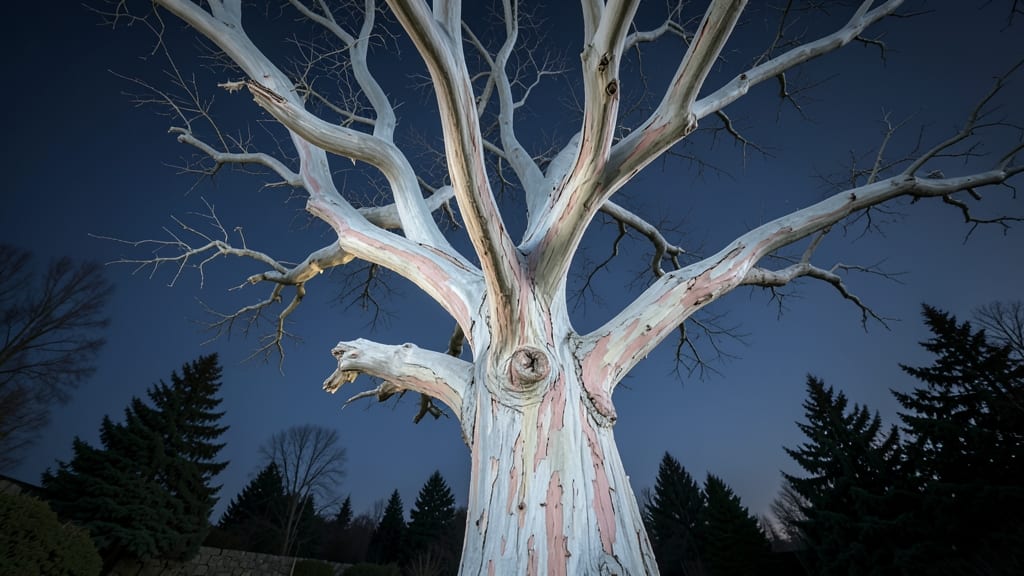
Want a tree that looks like it’s been dusted with moonlight? The Ghost Tree (Betula utilis var. jacquemontii) delivers unreal white bark so luminous it appears to glow under artificial light at night—making it a showstopper in modern gardens.
Native to the Himalayas, this ultra-rare tree thrives in USDA zones 5-7 and prefers full sun to partial shade, with well-drained soil. Its smooth, chalky bark stays pristine year-round, while its golden-yellow fall foliage adds seasonal contrast. Plant it as a solitary specimen in urban courtyards or pair it with dark evergreens for dramatic effect.
Perfect for designers seeking architectural drama or homeowners who want a conversation-starting focal point, this tree demands attention without overwhelming small spaces. 🌟
Whitebeam Trees with Textured Bark
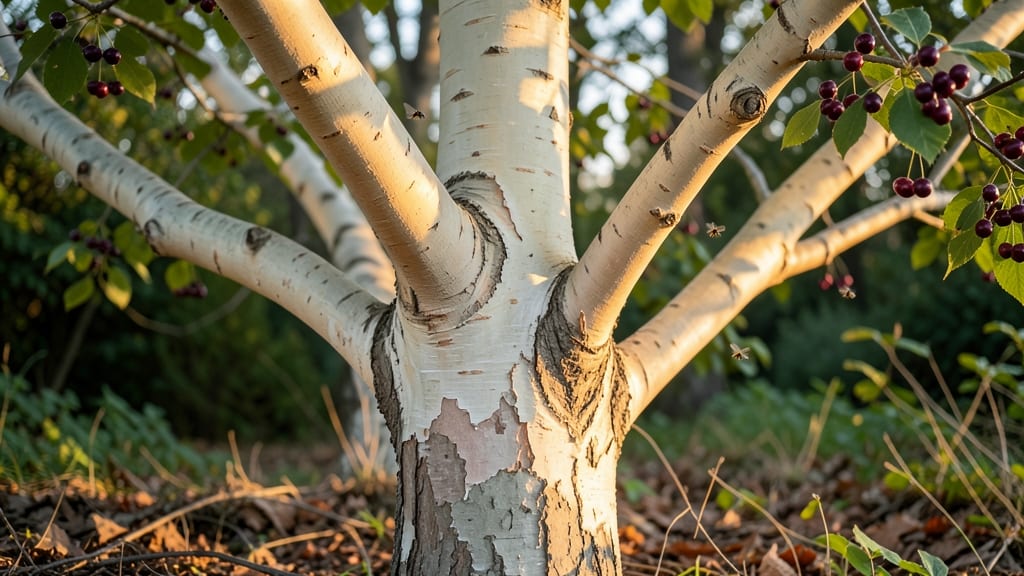
Looking for a white-barked tree that’s more than just a pretty face? Whitebeam trees offer creamy-white bark that rivals birch’s beauty, plus edible berries that attract pollinators and wildlife. Their rustic charm makes them a standout choice for cottage gardens and woodland edges.
These hardy trees thrive in partial shade to full sun and tolerate a range of soils, from rocky slopes to moist woodland gardens. The red or yellow fruit ripens in late summer, providing a late-season feast for birds and humans alike. Plant them in clusters for a natural, layered look that softens garden edges.
Perfect for gardeners who love multi-season interest—whitebeam’s bark shines in winter, while spring blooms and autumn fruit keep the show going. Cottage gardeners and pollinator enthusiasts will adore their understated elegance. 🌻
Hackberry Trees for Urban Resilience
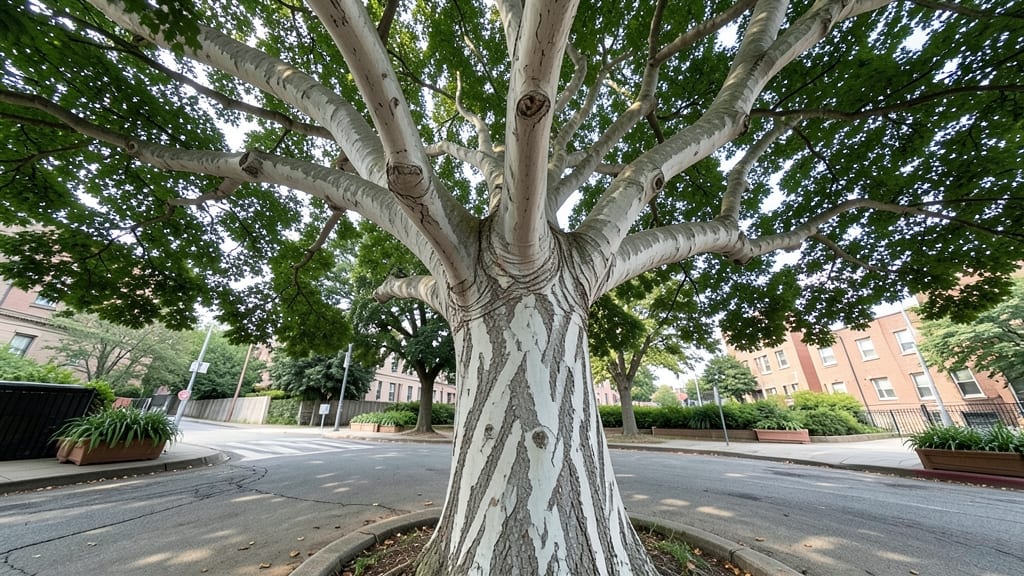
Looking for a low-maintenance tree that thrives in city conditions while adding striking visual interest? The hackberry tree delivers white bark with distinctive corky ridges that stand out against urban backdrops, making it a standout choice for streetscapes and parks.
This fast-growing tree tolerates polluted air, poor soil, and drought once established, earning it the nickname "urban warrior." Its year-round interest comes from the textured bark, which develops unique growths as it matures, and its vibrant green foliage that turns golden in fall. Plant it near sidewalks or slopes to control erosion naturally.
Perfect for beginner gardeners and city planners, hackberries require minimal pruning and offer wildlife benefits with their berries. They’re a practical yet beautiful solution for spaces where other trees struggle. 💪
European White Elm for Classic Elegance
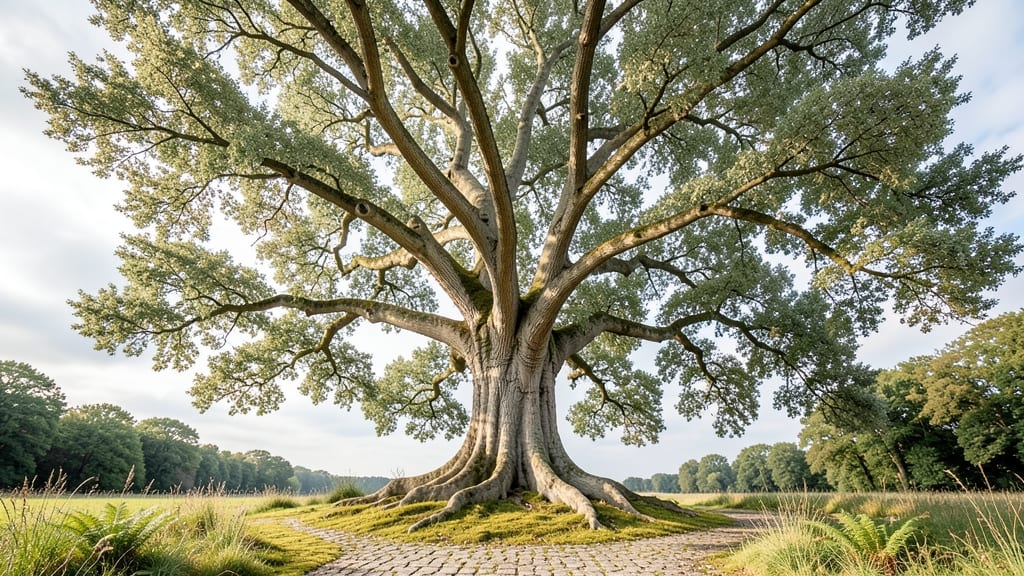
If you're dreaming of a garden that feels like stepping into a historic European landscape, the European White Elm (Ulmus laevis) is your answer. Its smooth, pale bark and broad, graceful canopy evoke old-world charm, making it a standout in grand estates, parks, or sprawling rural properties.
This majestic tree thrives in moist, well-drained soil and requires full sun to partial shade, reaching heights of 60-80 feet at maturity. Its disease-resistant nature (unlike its American cousin) makes it a reliable choice for long-term landscaping. Plant it as a solitary specimen near a pond, along a driveway, or as part of a mixed woodland border.
Perfect for those with space to accommodate its mature size, the European White Elm offers year-round interest—from spring’s fresh foliage to winter’s bare branches showcasing its elegant bark. Ideal for landscape designers or homeowners with large properties craving timeless elegance. ✨
White Poplar Trees for Fast Growth
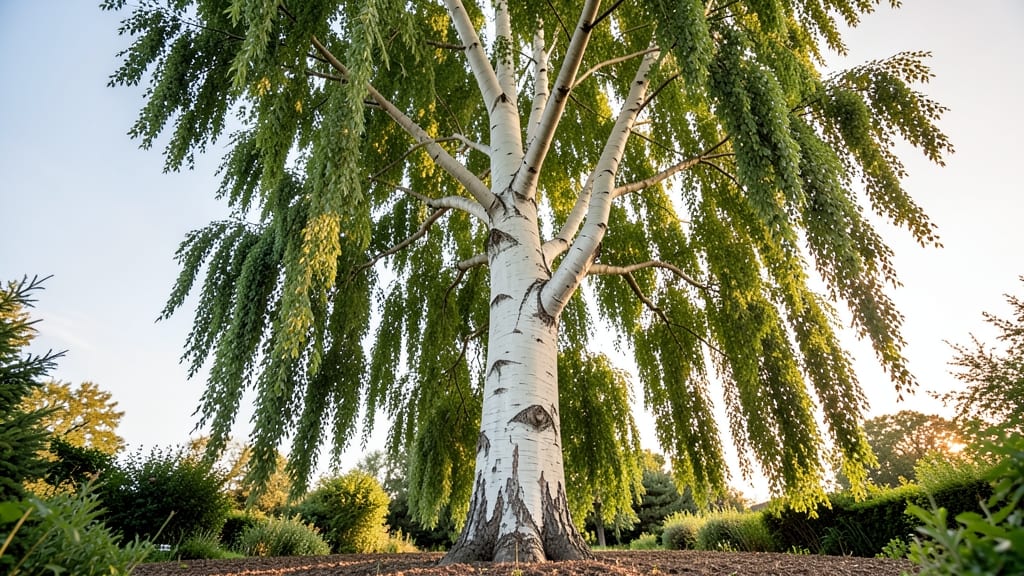
Want to add instant shade and vertical drama to your garden without waiting decades? The white poplar (Populus alba) grows 3-6 feet per year, making it one of the fastest-growing trees with striking white bark that contrasts beautifully against green foliage.
This versatile tree thrives in full sun to partial shade and tolerates a wide range of soils, including urban conditions. Plant it as a privacy screen along property lines or as a focal point in large gardens—its broad canopy provides quick relief from summer heat. Just be mindful of its aggressive root system and space it at least 30 feet from structures to avoid damage.
Perfect for gardeners who want fast results and a modern, architectural look, white poplars also support wildlife by attracting birds and butterflies. Just don’t plant near ponds—their roots can disrupt water features! 🌿
Japanese Snowbell Trees with Delicate Bark
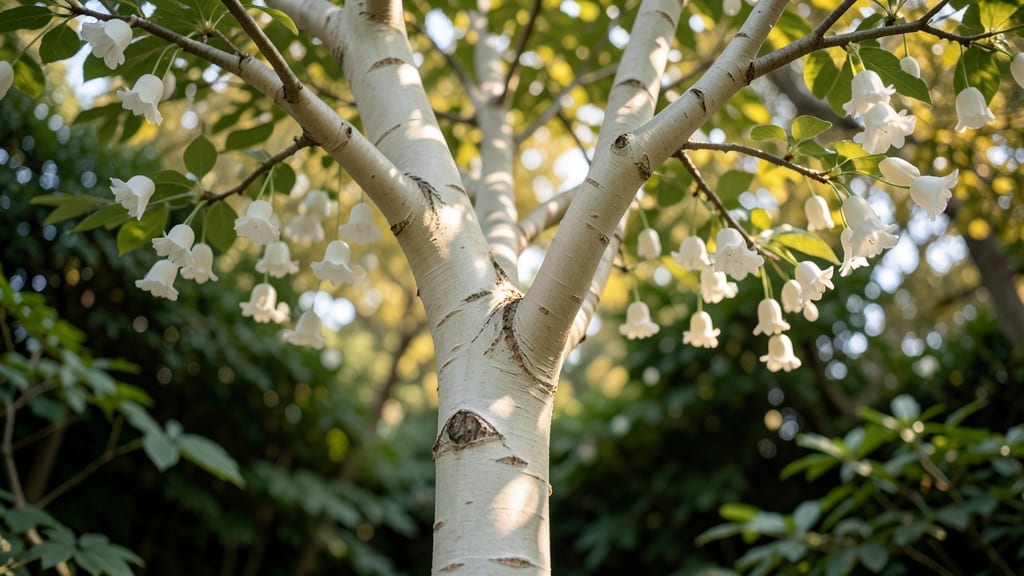
Looking for a tree that adds both visual intrigue and a delicate fragrance to your shaded garden? The Japanese Snowbell (Styrax japonicus) delivers with its creamy-white bark and clusters of bell-shaped white flowers that perfume the air in late spring.
This understory tree thrives in partial to full shade, making it perfect for woodland gardens or as a focal point under taller trees. Its fragrant blossoms attract pollinators while its smooth, peeling bark adds texture year-round. Prune lightly after flowering to maintain its graceful, rounded shape.
Ideal for gardeners seeking a low-maintenance yet elegant specimen, the Japanese Snowbell brings a touch of serenity to shaded spaces. 🌷
White Mulberry Trees for Edible Beauty
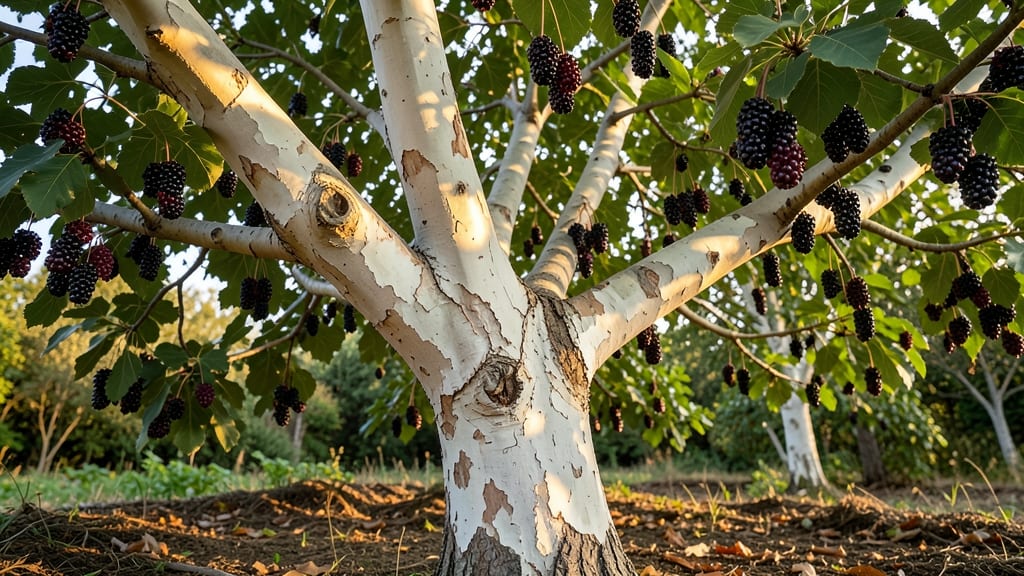
Want a tree that’s as useful as it is beautiful? The white mulberry delivers both with its striking white bark and delicious, sweet fruit—making it a standout in permaculture gardens or food forests.
This fast-growing tree thrives in full sun to partial shade and tolerates a range of soils, including clay. Its purple-black berries ripen in late summer, offering a snack for humans and wildlife alike. The white bark adds visual contrast year-round, while the tree’s moderate size (30-50 feet) makes it adaptable to various landscapes.
Perfect for homesteaders or eco-conscious gardeners, the white mulberry combines edible harvests with ornamental appeal—ideal for those who want beauty and bounty in one tree. 🌱
Ghost Maple with Ethereal Branches

Looking for a tree that feels like a living sculpture? The ghost maple (Acer shirasawanum) delivers with its pale white bark and horizontal branching that creates an almost bonsai-like silhouette. Unlike other white-barked trees, its delicate structure makes it perfect for small gardens or as a striking centerpiece in minimalist landscapes.
This rare cultivar thrives in partial shade to full sun and prefers well-drained soil, making it adaptable to urban or woodland settings. Its slow growth means you can shape it over time—ideal for gardeners who love artistic pruning or want a tree that stays manageable. The ethereal branches also create beautiful winter interest when other plants fade.
Perfect for modern gardeners or those who love Japanese-inspired landscapes, the ghost maple adds a touch of whimsy without overwhelming your space. Its understated elegance makes it a standout choice for those seeking drama with restraint. ✨