
Pruning
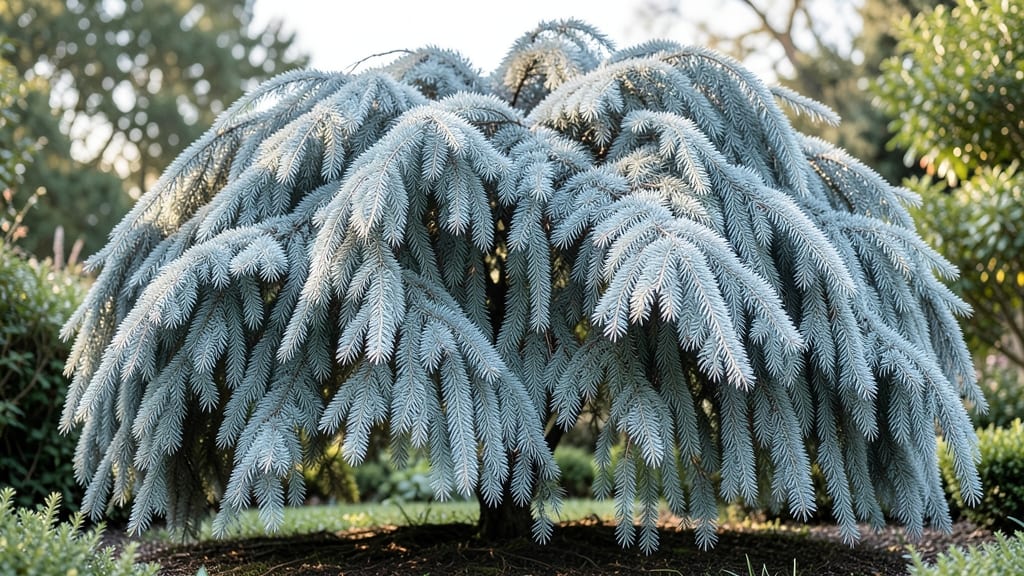
Transform your garden with these stunning weeping trees, each offering unique elegance and year-round interest. Master pruning techniques to maintain their graceful, cascading forms and create living focal points that elevate any landscape design.
Weeping Willow Tree for Water Garden Beauty
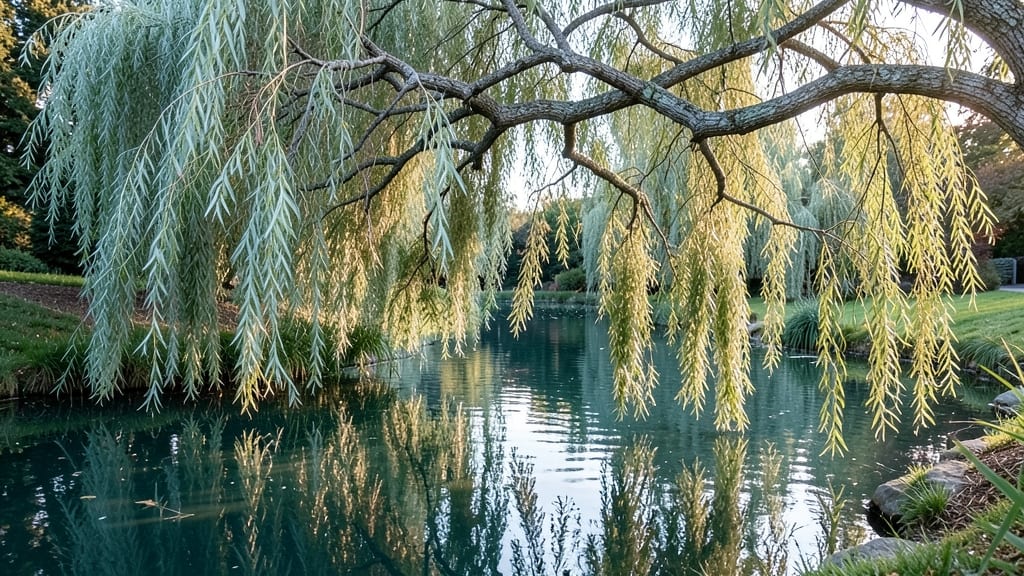
Turn your pond or wetland into a living watercolor with the weeping willow tree—its cascading branches create mesmerizing reflections that dance across the water’s surface. This tree isn’t just beautiful; it’s a natural water filter, purifying the pond while adding privacy and shade to your outdoor retreat.
Thriving in moist, even waterlogged soil, the weeping willow adapts effortlessly to pond edges, streams, or boggy areas where other trees would struggle. Plant it near water features to maximize its dramatic effect, and watch as its golden-green foliage sways gently, casting dappled shadows. For best results, give it plenty of space—its roots spread widely, making it ideal for larger water gardens.
Perfect for gardeners who love serene, low-maintenance landscapes, this tree offers year-round interest with minimal fuss. Its graceful branches also provide shade for wildlife like birds and frogs, turning your water garden into a thriving ecosystem. 🌿
Dwarf Weeping Cherry for Small Gardens
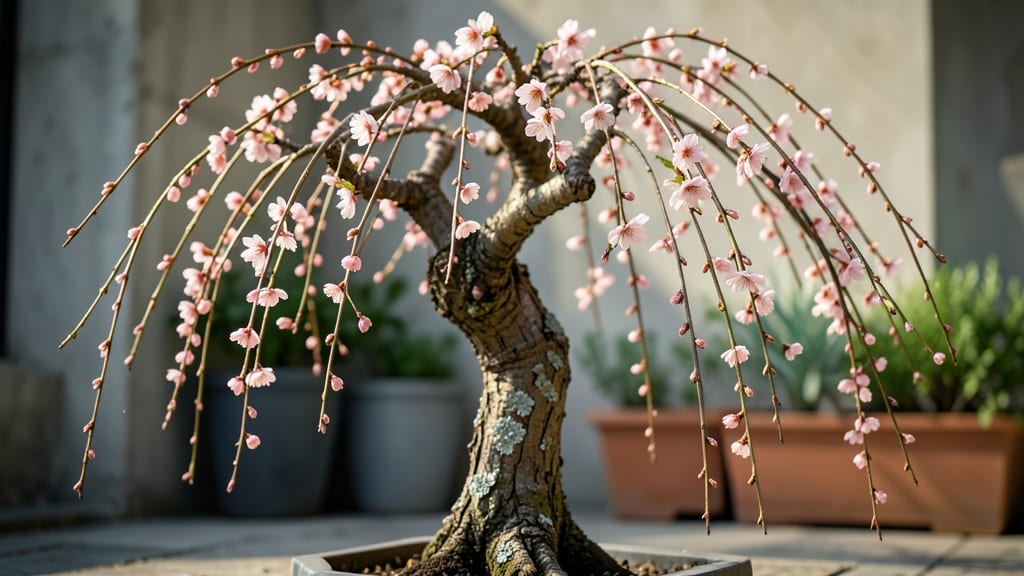
If your garden space is limited but you crave the elegance of a weeping tree, the dwarf weeping cherry (Prunus subhirtella) is your perfect match. This compact beauty grows just 10-15 feet tall, making it ideal for urban patios, small yards, or even large containers—without sacrificing the dramatic cascading branches you love.
Its star feature is the delicate pink flowers that appear in early spring, often before the leaves emerge, creating a stunning waterfall effect. Unlike its larger cousins, this variety requires minimal pruning—just occasional shaping to encourage its natural weeping form. For best results, plant it in full sun to partial shade with well-draining soil, and enjoy its seasonal interest from spring blooms to subtle fall color.
This tree is especially perfect for city dwellers or apartment balconies, offering year-round structure with low maintenance. Pair it with spring bulbs like daffodils or tulips to extend its seasonal impact even further. 🌷
Japanese Weeping Birch with Exfoliating Bark
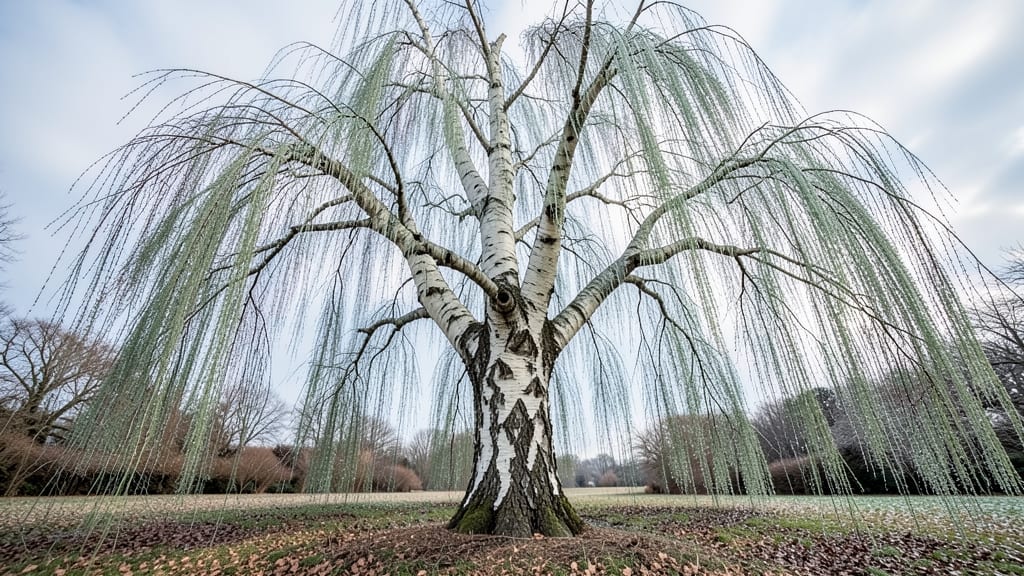
The Japanese Weeping Birch isn’t just a tree—it’s a winter masterpiece that turns your garden into a serene art gallery. Its exfoliating white bark peels naturally over time, revealing a striking canvas of texture that shines even in the coldest months, while its cascading branches create graceful arches that dance with the wind.
Thriving in full sun to partial shade, this tree adapts well to various soil types but prefers well-drained conditions. Its delicate, airy form adds a textural contrast that pairs beautifully with evergreens or bold shrubs. For best results, plant it in an open area where its branches can spread naturally—no heavy pruning required to maintain its elegant shape.
Perfect for gardeners who love low-maintenance yet high-impact plants, this birch brings year-round beauty without demanding constant attention. It’s especially stunning when planted near patios or walkways, where its winter charm can be enjoyed up close. ✨
Weeping Norway Maple for Shade Provision
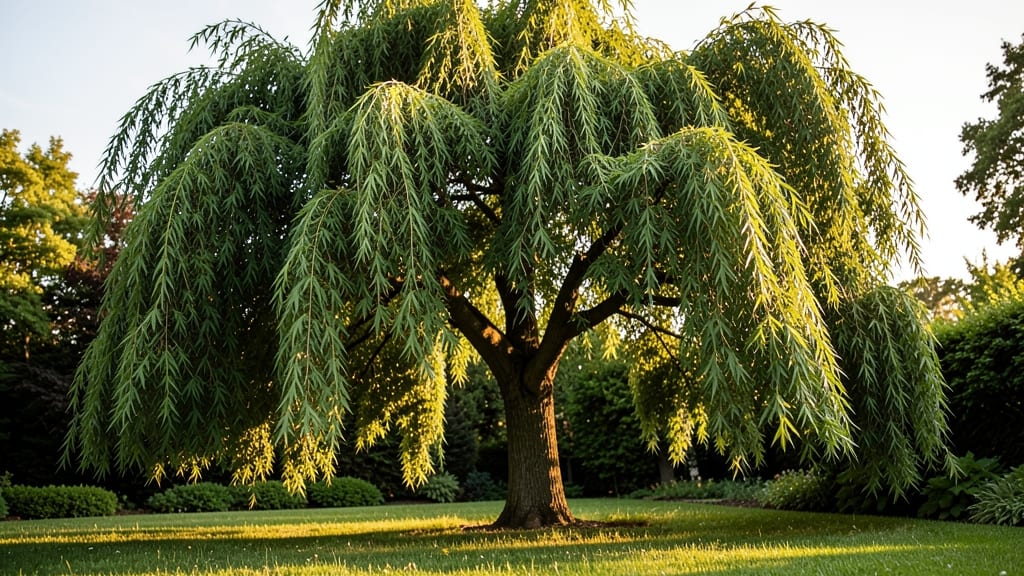
When you need both shade and drama in your landscape, the weeping Norway maple delivers with its fast-growing, cascading branches and lush canopy. Unlike other shade trees that take years to mature, this variety provides instant relief from the sun while adding a graceful, weeping silhouette to your property.
This tree thrives in partial to full sun and tolerates a wide range of soil types, making it versatile for large lawns, park-like settings, or even as a focal point near patios. Its dense foliage blocks up to 90% of sunlight, creating cooler microclimates perfect for shade-loving plants or outdoor living spaces. Prune lightly in late winter to maintain its elegant shape and encourage new growth.
Ideal for homeowners with spacious properties, landscape designers, or anyone seeking a low-maintenance yet stunning shade solution, this tree combines beauty and function effortlessly. 🌟
Weeping Higan Cherry with Spring Flowers
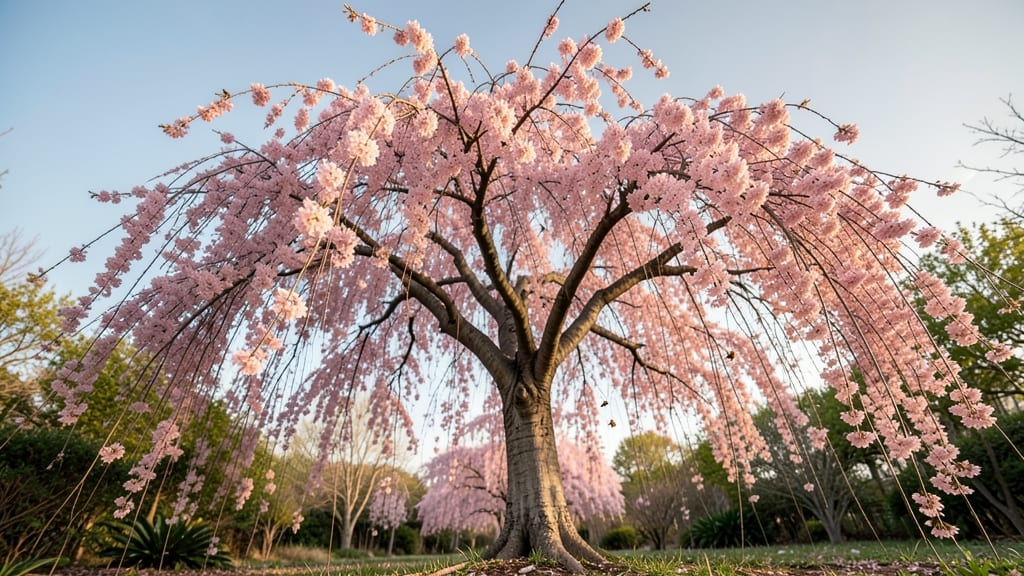
Looking for a low-maintenance tree that bursts into color early in the season? The weeping Higan cherry delivers abundant pink blooms weeks before most cherries, creating a dazzling spring display that attracts pollinators like bees and butterflies.
This smaller variety (typically 15-20 feet tall) thrives in full sun to partial shade and handles urban conditions better than many ornamental cherries. Its disease-resistant nature means fewer pesticides, while its compact size fits modern landscapes—think patios, small yards, or as a focal point near walkways. Prune lightly after flowering to maintain its graceful form.
Perfect for eco-conscious gardeners who want seasonal color without the upkeep of larger trees, this cherry adds early-season beauty while supporting local ecosystems. 🌷
Silver Weeping Willow for Architectural Drama
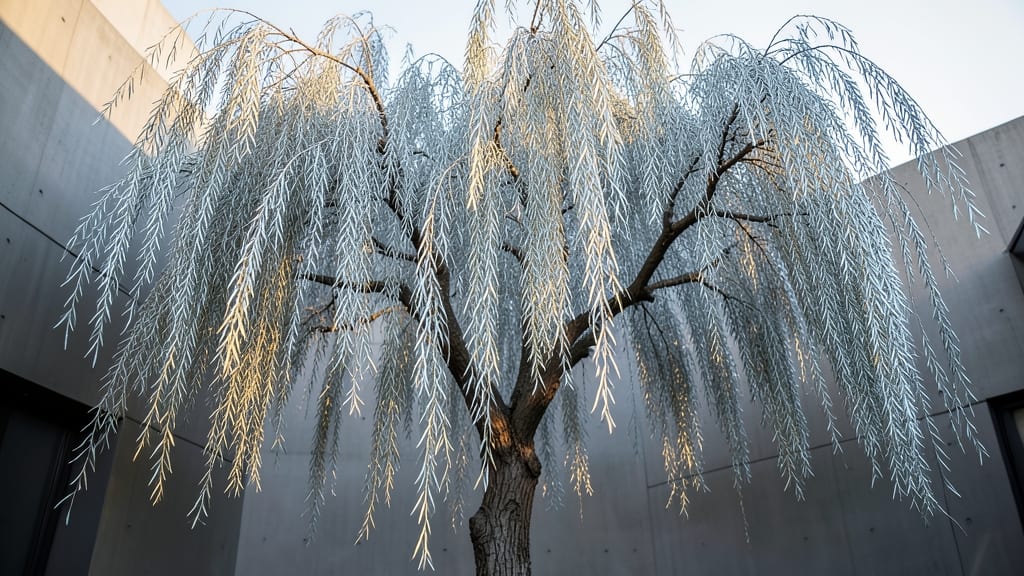
Looking to add a bold architectural statement to your modern landscape? The silver weeping willow delivers with its silvery-blue foliage that contrasts sharply against any backdrop, while its cascading branches create horizontal lines that draw the eye.
This dramatic tree thrives in full sun to partial shade and tolerates moist, well-drained soils—ideal for urban gardens or contemporary designs. Prune in late winter to shape its weeping habit and remove any dead branches, ensuring those striking horizontal lines remain unbroken. The silvery leaves also reflect light beautifully, making it perfect for evening garden illumination.
Perfect for designers and homeowners seeking a low-maintenance yet high-impact focal point, this tree elevates minimalist landscapes with natural elegance. 🌟
Weeping European Hornbeam for Formal Gardens
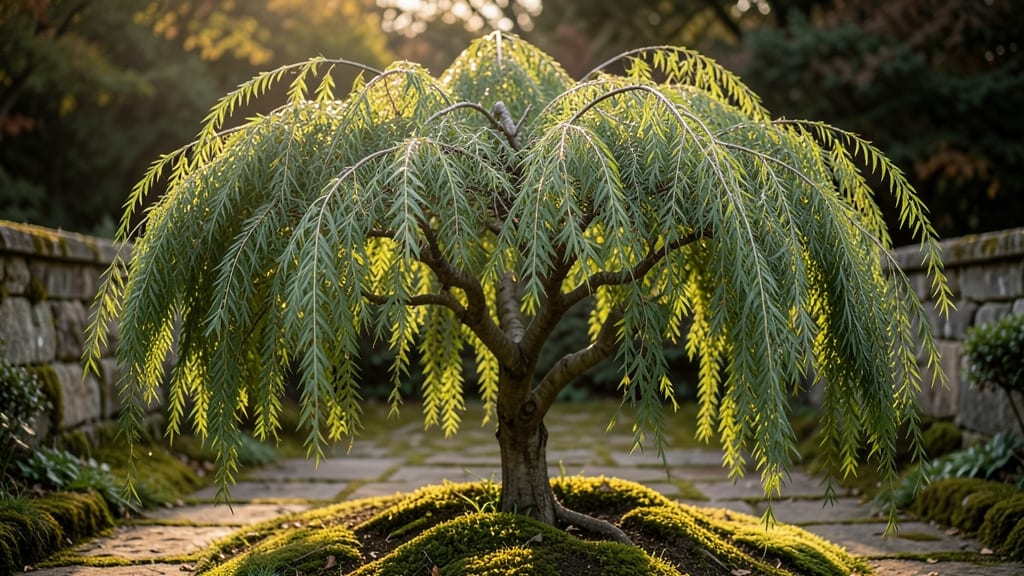
If you love structured elegance in your garden, the weeping European hornbeam (Carpinus betulus 'Pendula') is your secret weapon. Unlike fast-growing weepers, this tree grows at a leisurely pace—just 12-24 inches per year—while maintaining its refined, fountain-like shape with minimal effort.
Its dense, fine foliage holds its form beautifully when pruned, making it perfect for topiary-style gardens or as a living hedge with a natural, cascading silhouette. Plant it in full sun to partial shade and well-drained soil for best results. The key to its lasting beauty? Light pruning in late winter or early spring to shape branches and encourage fullness.
This tree thrives in formal landscapes where precision meets nature, offering year-round structure without the high maintenance of other ornamental trees. 🌿
Weeping Pussy Willow for Early Season Interest
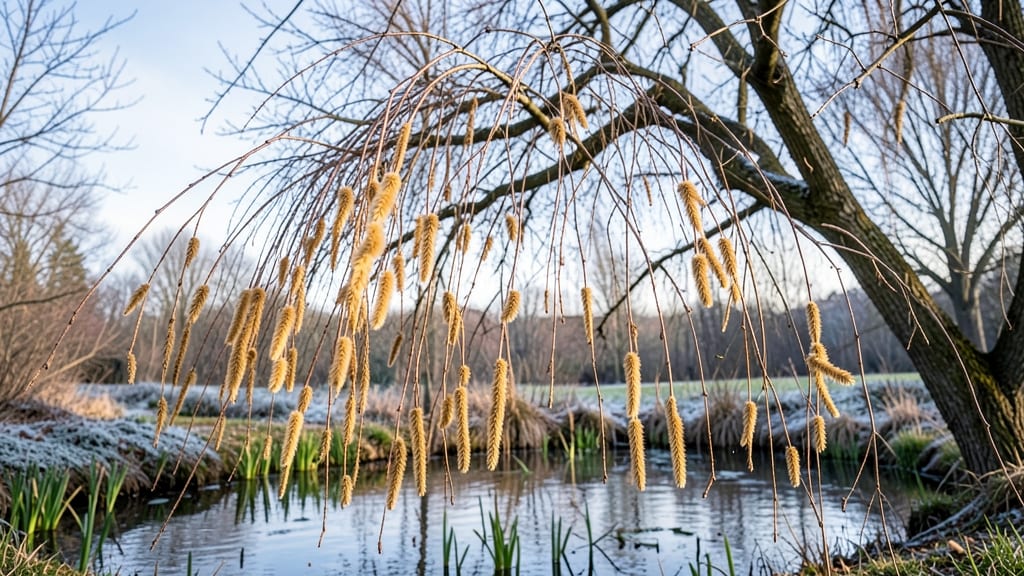
When winter seems endless, the weeping pussy willow arrives like a soft, fuzzy invitation to spring. Its catkins appear weeks before most trees leaf out, offering early color and texture to dormant landscapes.
Plant this moisture-loving native near ponds, streams, or even rain gardens where its cascading branches can gracefully spill over edges. The fuzzy catkins aren't just beautiful—they're a vital food source for early pollinators like bees and butterflies, giving your garden a head start on supporting wildlife. Prune lightly after flowering to maintain shape, but avoid heavy cuts that could remove next year's blooms.
Perfect for cottage gardens, naturalistic landscapes, or as a focal point near patios, this tree brings both beauty and ecological benefits. 🌱
Weeping Katsura Tree for Fragrant Beauty
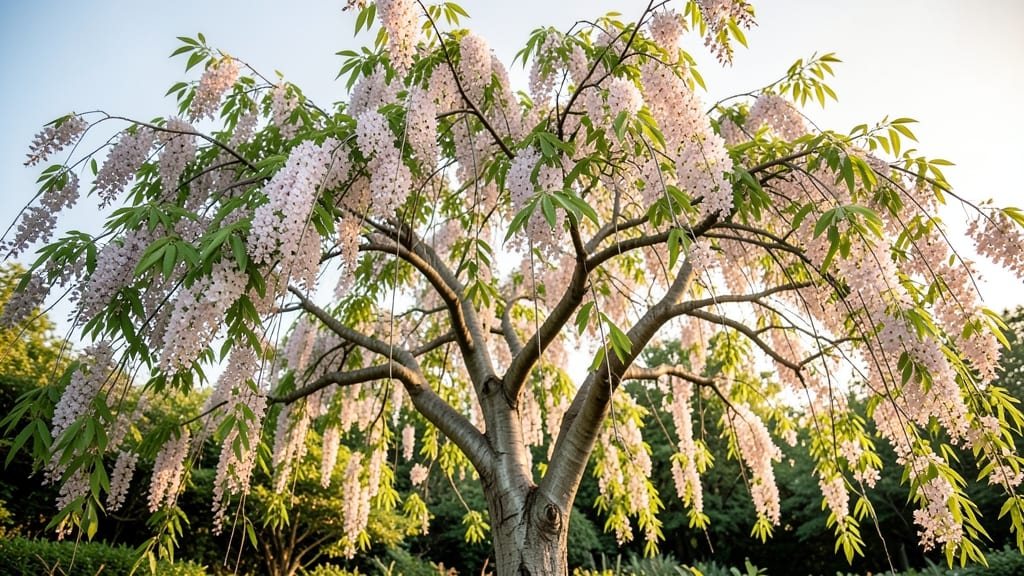
Looking for a tree that delivers fragrant beauty while keeping your landscape vibrant all year? The weeping Katsura tree (Cercidiphyllum japonicum) is your answer—its cascading branches produce delicate, summer-blooming flowers with a sweet, spicy scent that fills the air, while its foliage transforms into vibrant fall hues of yellow, orange, and purple.
This understory tree thrives in partial shade to full sun and tolerates a range of soil types, making it adaptable for urban gardens or woodland edges. Its multi-season appeal—from spring’s fresh foliage to autumn’s fiery display—ensures your landscape stays dynamic. Prune lightly in late winter to shape its graceful form without sacrificing its natural elegance.
Perfect for gardeners who want low-maintenance beauty with sensory rewards, the weeping Katsura tree adds depth and fragrance to any space. 🌟
Weeping Blue Atlas Cedar for Year-Round Color

Looking for a year-round statement piece that requires almost no upkeep? The weeping Blue Atlas Cedar delivers silvery-blue foliage that stays vibrant through every season—no seasonal color changes required. Unlike deciduous weeping trees, this evergreen maintains its elegant form while adding architectural interest to modern landscapes.
This drought-tolerant conifer thrives in full sun to partial shade and grows slowly, making it perfect for sculptural designs. Simply shape it during early spring growth spurts to encourage its natural weeping habit. The blue-gray needles create striking contrast against dark walls or contemporary structures, while its dense growth provides natural privacy without overwhelming small spaces.
Ideal for urban gardeners and minimalist designers, this tree offers low-maintenance beauty that fits seamlessly into modern landscapes. Its year-round color eliminates the need for seasonal replacements, making it a true workhorse for contemporary outdoor spaces. 💚