
Propagation
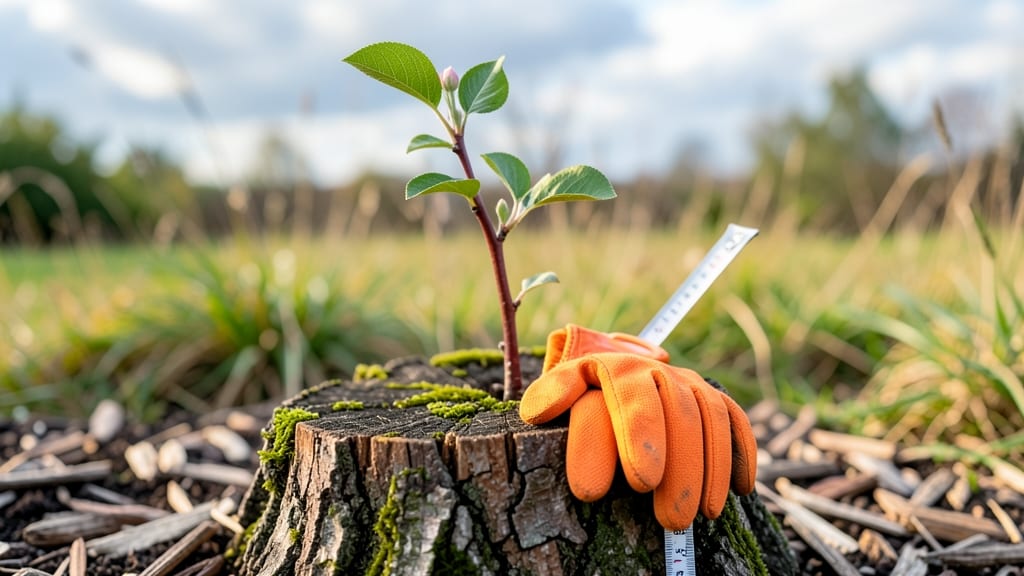
That stubborn base sprouting on your tree isn’t a nuisance—it’s a growth opportunity. 🌱 I’ve wrestled with root suckers and basal shoots for years, and I’ve learned how to turn them from a problem into a bushier, healthier tree.
The key is understanding why they appear and when to encourage or remove them.
Most base sprouts happen because of genetics, stress, or damage—like pruning too low or compacted soil. Some trees naturally produce them (think willows or fruit trees), while others react to poor care.
The good news? You can prune them strategically to shape your tree or use them to create a multi-trunk specimen with character.
Start by identifying whether the sprouts are vigorous or weak—strong ones can become future trunks, while weak ones can be removed cleanly. Use sharp pruners in early spring before new growth begins, and always sterilize tools to prevent disease.
With the right approach, you’ll end up with a tree that’s both fuller and more resilient.
For stubborn cases, consider root barriers or targeted fertilizers to redirect energy. Whether you’re dealing with a young sapling or a mature tree, these techniques work year after year. Let’s get your tree thriving—without the unwanted competition.
Root Systems Explaining Unwanted Sprouts
When you spot a tree sprouting from its base, it’s often a sign that the plant is sending out new growth to compensate for stress or opportunity.
Understanding the why behind these sprouts helps you manage them effectively. Below are the most common causes, broken down with clear scientific explanations and actionable insights.
Trees and shrubs naturally produce basal sprouts when their roots become overcrowded or restricted. This happens in two key scenarios:
- Containerized Plants: When roots fill a pot completely, they struggle to absorb water and nutrients efficiently. The plant detects this stress and triggers lateral bud growth at the base to escape confinement. Think of it like a crowded subway car—passengers (roots) push outward when there’s no room to expand.
- Transplant Shock: After moving a tree, roots may take weeks to adjust. During this time, the plant prioritizes survival by sending out new shoots from dormant buds near the soil line. These sprouts are essentially "backup plans" until the root system stabilizes.
Actionable Fix: If your tree is root-bound, repot it into a container 20-30% larger with well-draining soil. For outdoor trees, consider air pruning (removing the bottom of the pot before transplanting) to encourage outward root growth.
Pruning—especially top-heavy cuts—can send mixed signals to a tree’s hormonal system. When you remove large branches or the main leader (the central stem), the plant perceives a loss of balance and compensates by:
- Boosting Auxin Production: Auxin is a plant hormone that suppresses lateral (side) growth. Heavy pruning reduces auxin flow, allowing dormant buds at the base to wake up and sprout.
- Triggering Cytokinins: These hormones promote cell division and are often upregulated in response to stress. The result? A surge of new shoots near the trunk base.
Actionable Fix: To minimize basal sprouts from pruning:
- ✅ Prune in late winter/early spring (when the tree is dormant) to reduce stress.
- ✅ Avoid cutting more than 25% of the canopy in one session.
- ✅ Use sharp, clean tools to prevent tearing, which can introduce disease and further stress.
While underwatering can stress a tree, overwatering is equally problematic. Excess moisture creates anaerobic (oxygen-deficient) conditions in the soil, which:
- Stunts Root Growth: Roots need oxygen to function. Waterlogged soil suffocates them, forcing the tree to rely on shallow, basal roots for survival.
- Activates Dormant Buds: The stress from poor drainage triggers the release of ethylene gas, a hormone that signals buds to sprout. This is why you might see multiple weak sprouts at the base.
Actionable Fix: Check your tree’s moisture needs with the finger test—insert your finger 2 inches into the soil. If it’s damp, wait before watering. Improve drainage by:
- 🔹 Adding perlite or sand to heavy clay soil.
- 🔹 Using a container with drainage holes (if potted).
- 🔹 Planting in a raised bed for better airflow.
Trees are opportunistic growers. If they’re not getting enough sunlight or nutrients, they’ll exploit any available energy source—including basal buds. Common triggers:
- Shade Competition: When a tree is overshadowed by taller plants or structures, its leaves produce less energy (via photosynthesis). The plant then redirects resources to basal buds, which require less light to grow.
- Nutrient Deficiencies: Lack of nitrogen, phosphorus, or potassium weakens the root system. The tree responds by sending up new shoots to access nutrients from decomposing organic matter at the soil surface.
Actionable Fix: Boost growth conditions by:
- 🌿 Thinning nearby plants to improve sunlight exposure.
- 🌿 Applying a balanced fertilizer (e.g., 10-10-10 NPK ratio) in early spring.
- 🌿 Mulching with compost to enrich the soil naturally.
Pro Tip: 💡 If your tree is producing sprouts due to light/nutrient issues, wait to prune them until the tree has had 4-6 weeks of consistent care. Removing sprouts too soon can stress the plant further.
Fixing Stubborn Base Growth Issues
A tree sprouting from its base isn’t always a bad thing—it can signal new life! But if those unwanted shoots are crowding out your main plant or draining its energy, it’s time to act.
Below are practical, step-by-step solutions tailored to the root causes we covered earlier, plus prevention tips to keep your tree thriving without the chaos.
---
If your tree’s base is sprouting due to root-bound stress or competing for nutrients, pruning is your best friend. But how you do it matters!
#### 🔪 Step-by-Step Pruning Guide 1. Wait for the Right Time 🌿 - Trim new shoots in early spring (before new growth) or late fall (after the growing season). Avoid pruning in extreme heat or cold.
2. Use the Right Tools ✂️ - Sterilize sharp pruning shears or a bypass pruner with rubbing alcohol to prevent disease. - For thicker stems, use loppers or a pruning saw.
3. Cut at the Base (But Not Too Close!) 📏 - Make a clean cut at a 45-degree angle, just above a leaf node (the bump where leaves grow). - Avoid leaving stubs—this invites rot. Aim for ¼-inch above the node.
4. Remove the Entire Sprout (Don’t Half-Heart It!) 🚫 - If the shoot is thin and weak, snap it off by hand. - For woody stems, cut flush with the main stem to prevent regrowth.
5. Disinfect Cuts (Optional but Smart) 🧴 - Dab pruning paint or cinnamon powder on larger cuts to seal them and reduce infection risk.
#### 💡 Pro Tip: If you’re hesitant to cut, try rubbing alcohol on the shoot’s base—it’ll dry it out without pruning. Just reapply every few days until it withers.
---
If overwatering is causing weak, leggy sprouts, your tree needs a drier, more balanced environment.
#### 💧 Fixing Water Woes 1. Check Soil Moisture First 🌧️ - Stick your finger 1-2 inches into the soil. If it’s damp, wait before watering. - If it’s bone-dry, water deeply (until it drains from the bottom) but less frequently.
2. Improve Drainage 🚿 - If your pot lacks drainage holes, repot immediately into a container with holes at the bottom. - Add a layer of gravel or perlite at the bottom to prevent soggy roots.
3. Use Well-Draining Soil Mix 🌱 - Replace heavy garden soil with a chunky mix like: - 50% potting soil - 30% perlite or pumice - 20% orchid bark or coconut coir
4. Water Only When Needed ⏰ - Morning watering is best—it gives excess moisture time to evaporate. - Avoid wetting leaves (use a watering can with a narrow spout).
#### 💡 Pro Tip: If your tree is root-bound, soak the pot in water for 10 minutes before watering—this helps roots absorb moisture more efficiently.
---
If poor soil is the culprit, your tree needs a nutrient boost—but not just any fertilizer!
#### 🍽️ Fertilizing for Stronger Growth 1. Choose the Right Fertilizer 📊 - Slow-release granules (like Osmoote or Espoma) are best for steady growth. - Liquid fertilizers (diluted to half-strength) work for a quick fix.
2. Apply at the Right Time ⏳ - Spring & early summer = growth phase (use a balanced 10-10-10 or 20-20-20). - Fall = root-strengthening phase (switch to a low-nitrogen, high-phosphorus like 5-10-10).
3. Follow the Label (Seriously!) 📜 - Over-fertilizing burns roots and causes more sprouting. Less is more!
4. Compost for Long-Term Health 🌿 - Mix 1-2 inches of compost into the topsoil once a year to improve nutrient retention.
#### 💡 Pro Tip: If your tree is outdoor, mulch around the base (but not touching the trunk) with wood chips or straw—this keeps moisture in and weeds out!
---
Once you’ve tackled the sprouts, keep them from coming back with these easy habits:
✅ Repot Every 2-3 Years 🏺 – Root-bound trees sprout more. Move to a slightly larger pot (1-2 inches wider) in spring.
✅ Train the Main Stem Early 🎯 – If you’re growing a single-trunk tree, gently tie it to a stake while young to encourage upward growth.
✅ Monitor Light Levels 💡 – Too little light = weak, leggy sprouts. Move your tree to bright, indirect sunlight (6+ hours/day).
✅ Avoid Disturbing the Base 🚫 – Don’t pile soil or mulch against the trunk—this traps moisture and encourages rot.
✅ Prune Regularly ✂️ – Trim back any new shoots as soon as they appear (they’re easier to remove when small!).
--- Final Thought: A little pruning + proper care can turn those pesky base sprouts into stronger, bushier growth—without the chaos. Try one method at a time, and watch your tree thrive! 🌳✨
Frequently asked questions
Why do some trees naturally produce more base sprouts than others?
Genetics play a huge role! Trees like willows, fruit trees (apples, cherries), and some maples are prone to basal sprouting because they evolved to spread quickly. These species store energy in their roots and stems, making it easy for dormant buds to wake up. Even healthy trees from these families will often produce multiple shoots at the base—it’s part of their natural growth pattern.
Can I turn these base sprouts into multiple trunks for a fuller look?
If you want a tree with character, let 2-3 of the strongest sprouts grow while pruning the weaker ones. Over time, these can develop into sturdy trunks. Just make sure to space them evenly around the base and provide proper support (like small stakes) while they thicken. This works especially well with fruit trees or ornamental varieties like Japanese maples.
Is it safe to remove all base sprouts at once?
No—this can stress your tree! Instead, remove only the weakest sprouts first, leaving some healthy growth. If you must prune heavily, do it gradually over 2-3 weeks to give the tree time to recover. For large trees, never remove more than 25% of the foliage in one session. Always use sharp, sterilized tools to prevent disease.
Will chemical treatments stop base sprouts permanently?
Chemicals like hormone pastes (e.g., dormant oil or copper-based sprays) can slow regrowth, but they’re not a long-term fix. The real solution is addressing the root cause—whether it’s root-bound stress, poor drainage, or over-pruning. For organic options, try rubbing alcohol on the cut stems to dry them out naturally. Most gardeners find prevention (like proper pruning and soil care) works better than chemicals.
How do I know if my tree’s base sprouts are healthy or diseased?
Healthy sprouts have green leaves, firm stems, and grow upright. Diseased or dying sprouts show signs like: yellowing leaves, soft/wet stems, or black/mushy bases. If you spot these, remove the affected sprouts immediately, sterilize your tools, and treat the soil with fungicide if needed. Avoid pruning during wet weather to prevent spreading infections.