
Pruning
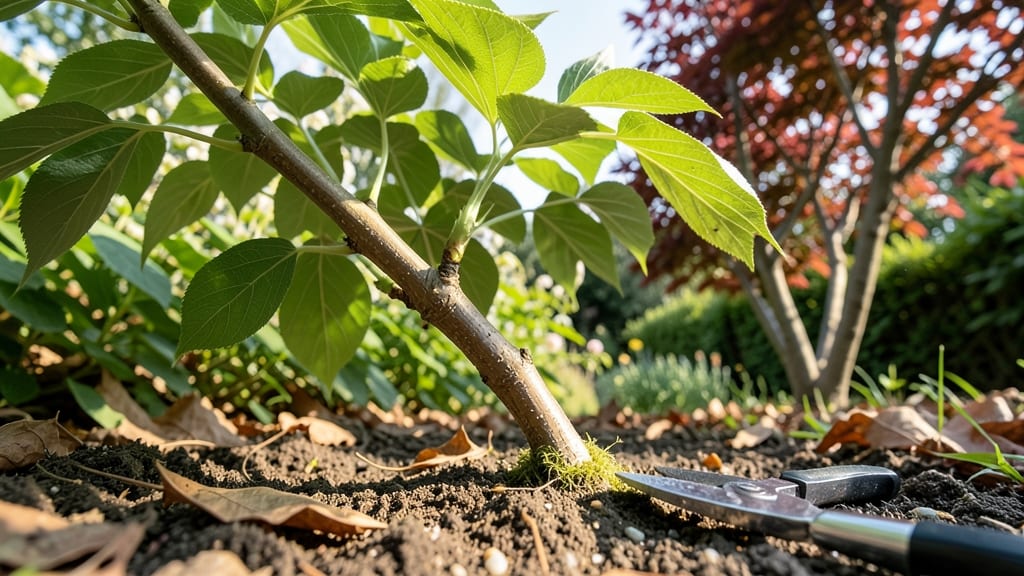
Mastering tree shaping techniques transforms your garden into a sculpted masterpiece while ensuring tree health. These 10 proven pruning methods help you achieve balanced canopies, correct growth patterns, and enhance natural beauty—whether you're a novice or seasoned gardener.
Thinning Out Pruning Cuts
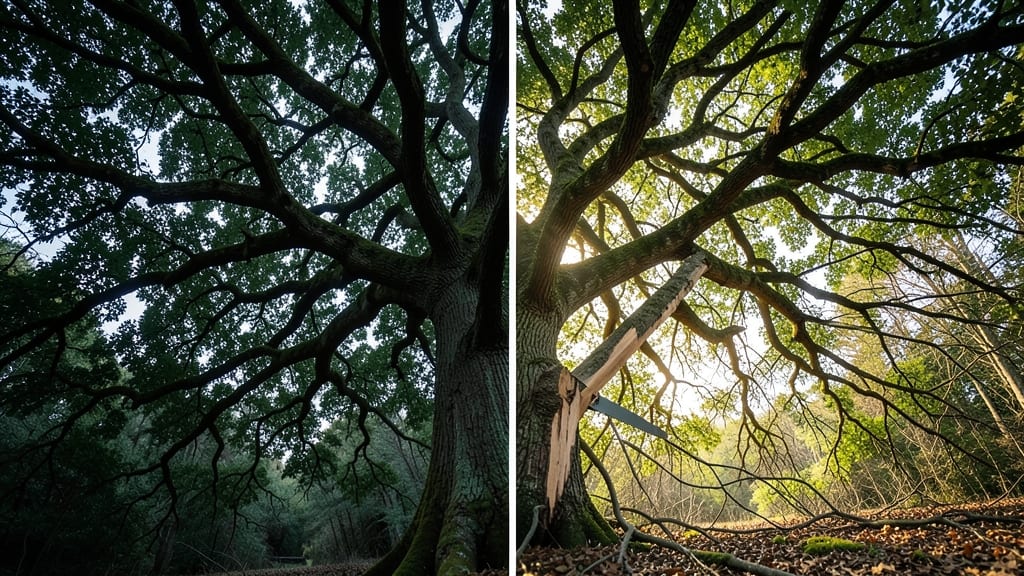
Struggling with a dense canopy that blocks sunlight and traps moisture? Thinning out pruning is your solution—this technique removes entire branches at their base to open up your tree’s interior, letting light and air circulate freely. It’s especially transformative for oak, maple, or beech trees, where thick foliage can smother lower branches and create disease-prone conditions.
Start by identifying branches that cross, rub against each other, or grow inward. Use clean, sharp pruning shears or a saw for cuts at least ¼ inch above a bud or branch collar—never leave stubs. Aim to remove no more than 20-30% of the canopy in one session to avoid stressing the tree. For large branches, consider hiring a professional to handle the job safely.
This method isn’t just for overgrown trees—urban gardeners with limited space or homeowners dealing with shade issues will see dramatic improvements in both tree health and landscape aesthetics. Plus, it’s one of the most low-maintenance pruning techniques once mastered. 🌟
Heading Back Cuts for Bushier Growth
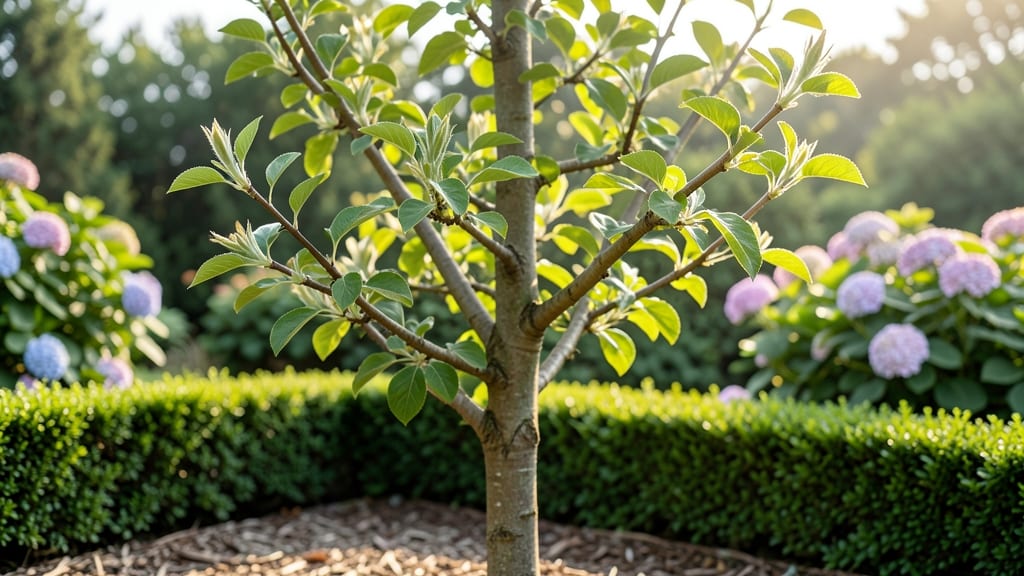
Want a fuller, bushier shrub or fruit tree but don’t know where to start? Heading back cuts are your secret weapon—simply trimming the tips of branches triggers a burst of new lateral shoots, creating dense, compact growth. This technique works wonders on young fruit trees, boxwoods, and even ornamental shrubs, giving them that lush, manicured look.
To do it right, cut just above a leaf bud or side branch (never at a joint). For best results, prune in late winter or early spring before new growth begins, and avoid removing more than one-third of the branch at once. Repeat every few years to maintain shape, and watch as your plants fill out with vibrant new foliage. 🌱
Renovation Pruning for Overgrown Trees
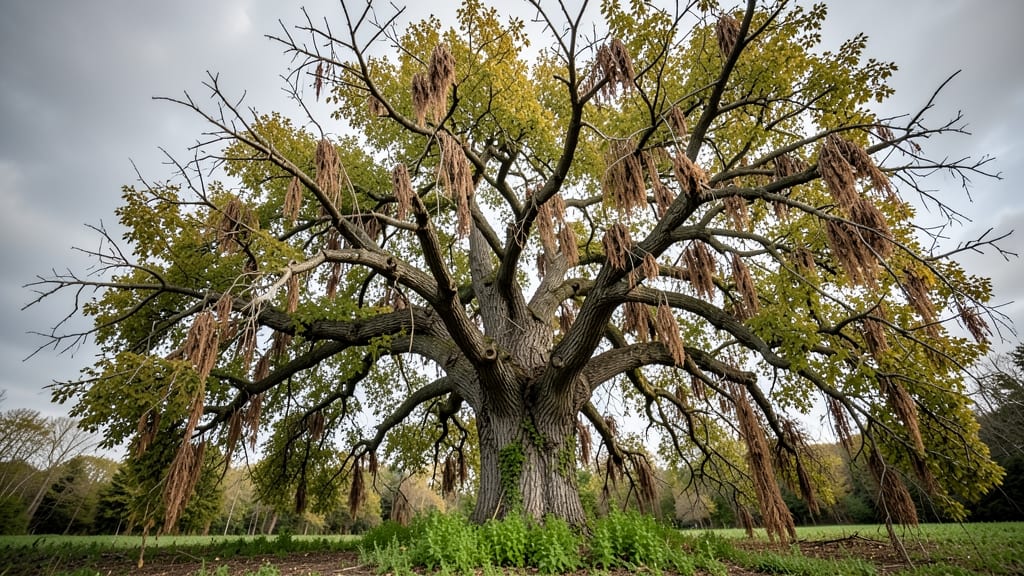
When your once-majestic tree has become a tangled mess of overgrowth, renovation pruning is the dramatic comeback it needs. Unlike routine pruning, this technique targets 50% or more of the canopy to restore balance, shape, and vitality—perfect for reviving willows, poplars, or neglected shade trees that have lost their form.
Start by removing dead, crossing, or structurally weak branches first, then selectively thin the canopy to open it up. Focus on large, overgrown limbs that dominate the tree’s silhouette, cutting just outside the branch collar for clean healing. For fast-growing species like willows, spread this work over 2-3 years to avoid stressing the tree. Always prune during dormant season (late winter/early spring) to minimize disease risk.
This method is ideal for homeowners with mature trees that have outgrown their space or become safety hazards. With patience and precision, you’ll transform a chaotic canopy into a structured, healthy tree that thrives for decades. ✨
Pollarding for Structural Control
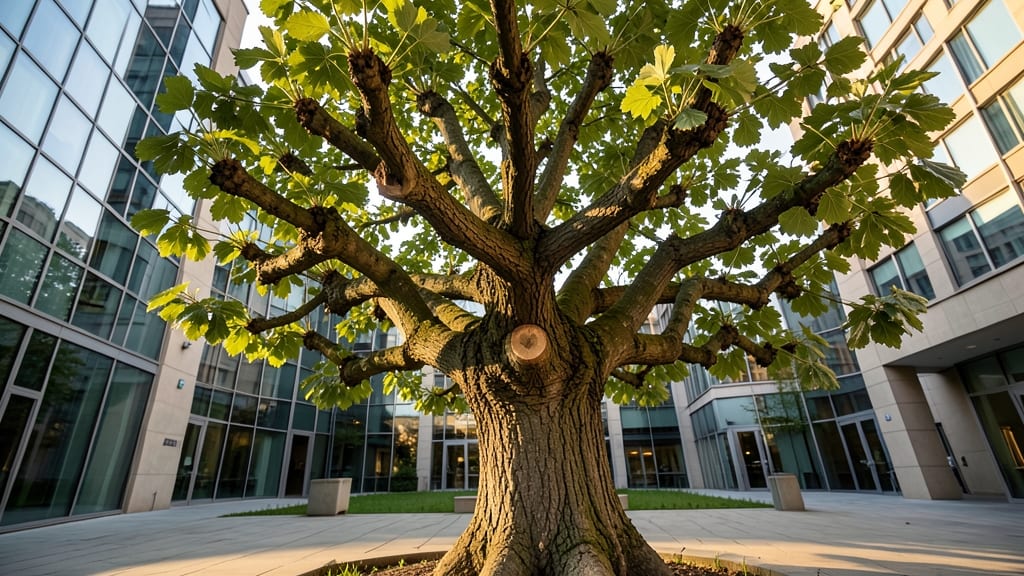
When urban landscapes demand large trees but limited space, pollarding becomes your secret weapon. This dramatic pruning technique involves cutting branches back to a main trunk or stub, forcing new shoots to sprout uniformly—ideal for horse chestnuts or linden trees in tight city settings.
Perform pollarding during late winter or early spring before buds break, using sharp tools to avoid tearing bark. The key is precision: leave 2-3 buds above the cut to encourage strong regrowth. Urban gardeners love this method because it keeps trees manageable while preserving their majestic presence.
Perfect for maintaining historic park trees or controlling growth near power lines, pollarding transforms wild canopies into structured, sculpted forms. The results? A neat, controlled silhouette that thrives in confined spaces. ✨
Crown Raising for Clearance Space
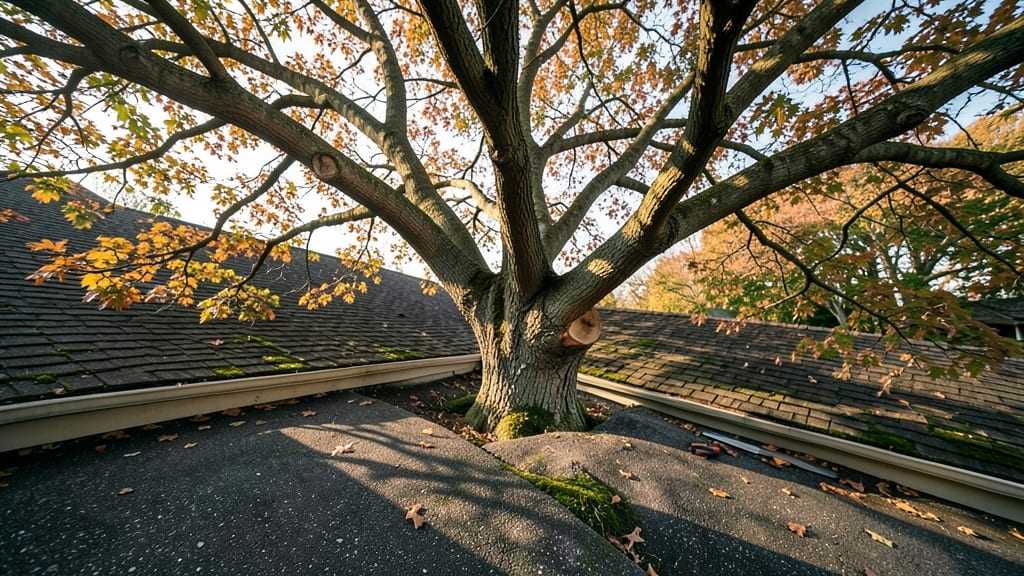
When a tree’s branches threaten to scrape your roof or block a driveway, crown raising is the solution. This technique removes lower branches to elevate the canopy, creating essential clearance while preserving the tree’s structure and health.
Focus on cutting branches at their branch collar (the swollen area where the branch meets the trunk) to avoid damaging the tree. For safety, never remove more than 25% of the canopy in a single session, and prioritize branches that grow downward or outward. Urban gardeners and property owners will find this technique invaluable for maintaining safe, functional outdoor spaces.
Whether you’re dealing with a mature oak near a sidewalk or a young maple growing too close to a house, crown raising keeps your trees thriving—and your property secure. ✨
Crown Reduction for Size Management
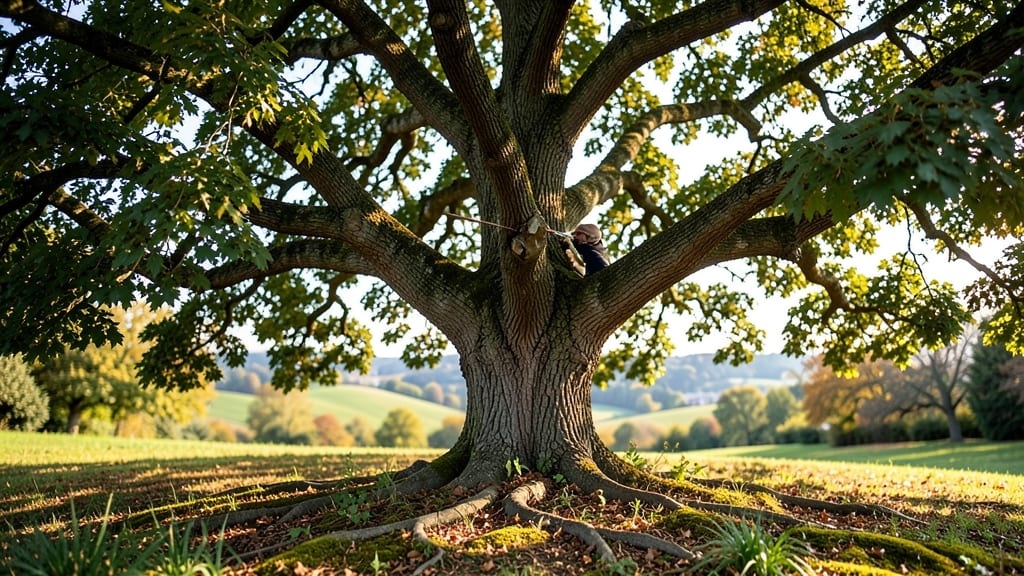
Struggling with a large shade tree that’s outgrown its space but still needs to keep its majestic form? Crown reduction is the answer—it trims branches back proportionally to shrink the tree’s overall size while preserving its natural silhouette. Unlike drastic methods like pollarding, this technique focuses on shortening branch lengths by up to 25% without disrupting the tree’s structure.
This method works best on mature trees like elms, sycamores, or oaks during late winter or early spring when the tree is dormant. Use sharp pruning tools to make cuts just outside the branch collar, avoiding over-reduction (never remove more than 25% of the canopy at once). The goal is to maintain the tree’s balance and health while creating more space in your yard or landscape.
Perfect for homeowners with mature trees that need size control without sacrificing beauty, crown reduction keeps your garden tidy while ensuring the tree thrives for decades. 🌟
Espalier Pruning for Wall Training
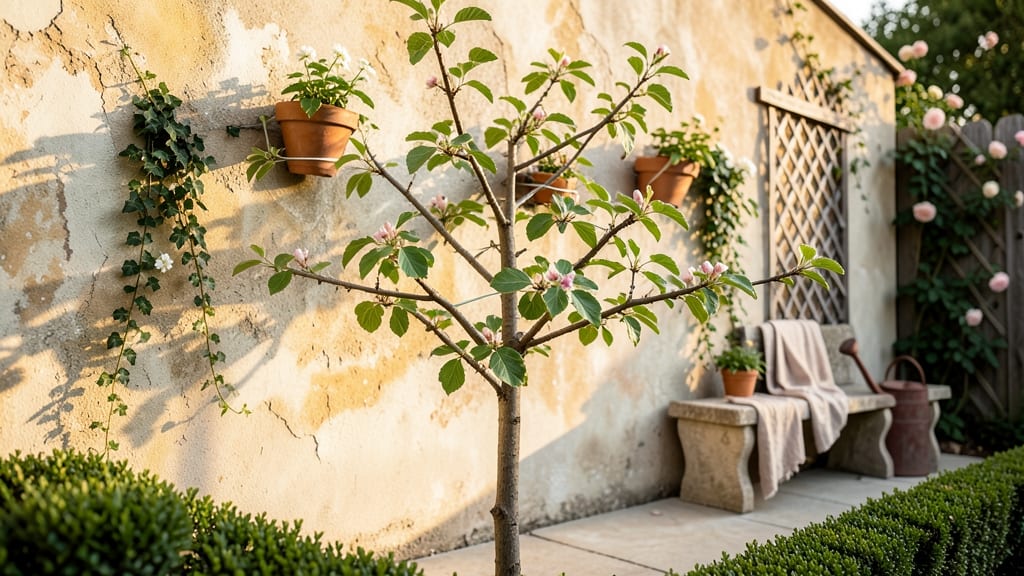
Turn your small garden into a fruit-filled art gallery with espalier pruning—a technique that trains apple, pear, or peach trees to grow flat against walls or fences. This method maximizes harvest in tight spaces while adding architectural beauty to your landscape.
Start by selecting a young tree and prune it to create a central leader or horizontal scaffold branches. Use soft ties or flexible wire to gently spread branches outward along the wall, leaving 12-18 inches between spurs for airflow. Prune in late winter or early spring to shape the tree while it’s dormant, and remove any vertical growth to maintain the flat plane. For best results, choose dwarf varieties like 'Columnar Delicious' apples or 'Dwarf Bartlett' pears—they’re perfect for beginners.
Urban gardeners and small-space enthusiasts will love this technique, as it transforms a single tree into a wall-mounted orchard without sacrificing fruit production. Plus, the trained branches create a stunning focal point that’s easy to maintain. 🌻
Cleaning Up Dead or Diseased Wood
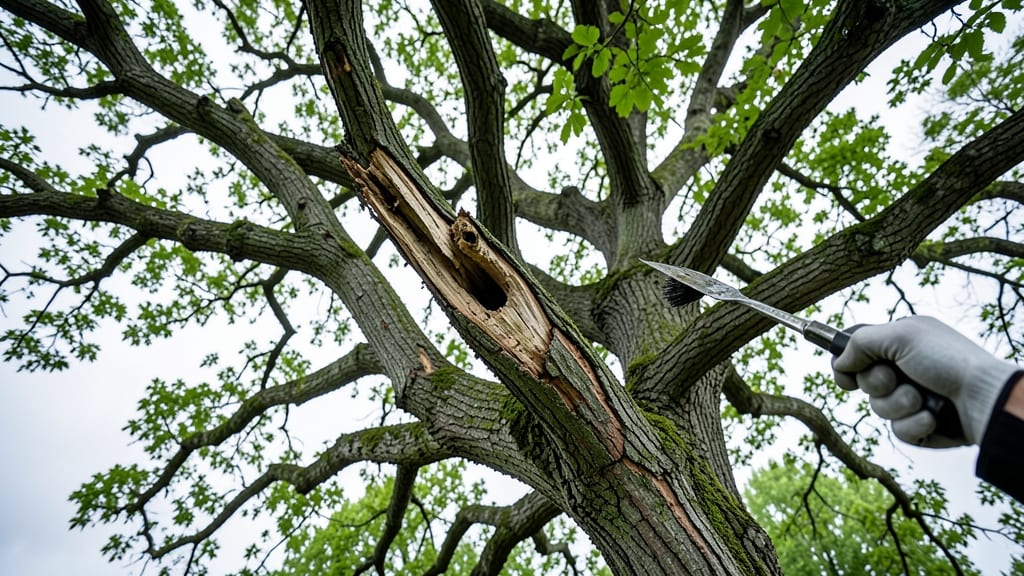
That hollow sound when you tap a branch? That’s your tree’s SOS for help. Dead or diseased wood doesn’t just look unsightly—it’s a magnet for pests and fungal infections that can cripple your tree’s health. Removing these branches isn’t just cleanup; it’s a preventive health check that keeps your tree thriving for decades.
Start by identifying dead wood—it’s usually gray, brittle, or peeling with no leaves or buds. Diseased branches may ooze sap, have fungal growth, or show unusual discoloration. Use sterilized pruning tools to cut 6–12 inches below the affected area, always making clean cuts at a 45-degree angle. Dispose of infected branches immediately to avoid spreading pathogens.
This technique is non-negotiable for urban gardeners and fruit tree owners, where pests thrive in decaying wood. A little pruning now saves you from costly tree loss later. 💪
Vase Shaping for Ornamental Trees
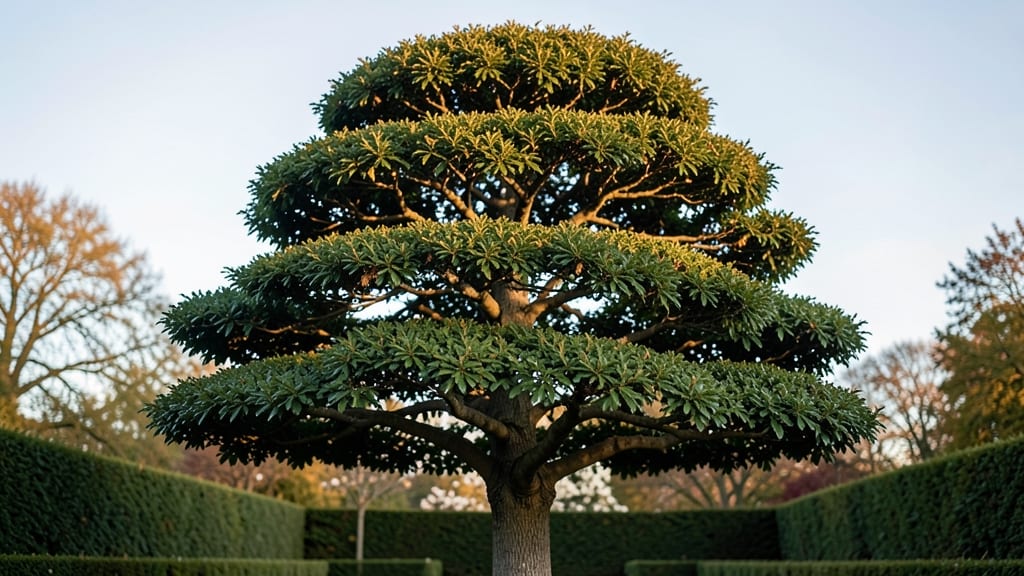
Transform your formal garden into a stunning display with vase shaping, a classic technique that creates a tiered, symmetrical silhouette perfect for beech or cherry trees. This method involves selectively pruning lower branches to encourage upward growth, resulting in a graceful, layered canopy that draws the eye upward.
Start by identifying the tree’s central leader—the main upward-growing branch—and remove competing branches at the base. For ornamental trees, focus on removing branches from the bottom third to create open space, then gradually thin out branches in the middle tiers. Prune during late winter or early spring when the tree is dormant, and always use clean, sharp tools to avoid tearing bark. This approach not only enhances beauty but also improves airflow, reducing disease risk.
Vase shaping is ideal for gardeners who love structured, elegant designs and want to highlight their trees as focal points. With patience and precision, you’ll achieve a timeless look that elevates any formal garden. ✨
Layering for Propagation and Shaping

Want to multiply your favorite trees without buying new ones? Layering is a simple, natural way to propagate identical clones while shaping multi-stemmed trees like dogwoods or ornamental cherries. This technique turns pruning into a propagation powerhouse by encouraging roots to form along a branch while it’s still attached to the parent plant.
To layer, select a low, flexible branch and make a small cut (about 1/3 through the stem) before bending it down to the ground. Secure it with a U-shaped pin or rock, then cover the cut area with soil, leaving the tip exposed. Roots typically form in 4-8 weeks, after which you can sever the new plant. This method is perfect for gardeners who love dogwoods or ornamental trees and want to create uniform, genetically identical specimens without the hassle of grafting.
Layering is especially rewarding for urban gardeners with limited space or those looking to restore older trees with multiple stems. It’s a low-cost, high-reward technique that turns pruning day into propagation day. 💚