
Diseases
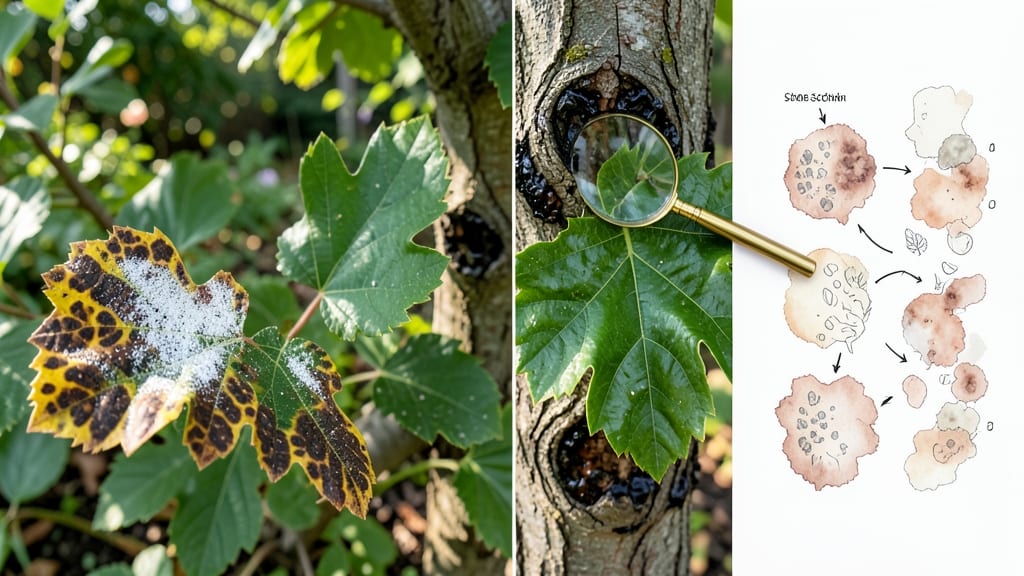
Oklahoma redbud trees (Cercis canadensis) can lose their stunning spring blooms to diseases like powdery mildew or leaf spot—but catching these early saves your tree.
I’ve seen healthy redbuds turn into sad, defoliated skeletons in just a few weeks, and the key to stopping it is knowing what to watch for before the damage spreads.
Most Oklahoma diseases start with damp spring weather—think heavy rains followed by humidity, which gives fungal spores the perfect chance to take hold. You’ll spot powdery mildew as white, powdery patches on leaves, while leaf spots show up as dark, irregular marks with yellow halos.
The good news? Both respond well to organic fixes if you act fast.
Prune out infected branches immediately, then spray with a neem oil solution (1 tablespoon per quart of water) to stop the spread. For prevention, improve airflow around your tree by thinning nearby branches and watering at the base—not overhead—to keep leaves dry.
A 2-inch layer of mulch also helps regulate soil moisture and temperature.
Oklahoma’s clay-heavy soil can worsen root stress, so amend with compost in early spring to boost immunity. If your tree is young, consider a fungicide spray (like copper-based options) as a last resort—but organic methods work for 90% of cases.
The goal? Keep those pink blooms coming back year after year.
Root Causes Of Redbud Stress
Oklahoma’s redbud trees (Cercis canadensis) are stunning in spring with their vibrant pink blooms, but they’re not immune to disease. Understanding why these issues arise is the first step to prevention. Below, we break down the key factors—from environmental stressors to biological invaders—that weaken redbuds and invite problems.
Redbuds thrive in Oklahoma’s climate, but extreme conditions can push them over the edge. Here’s how:
- Temperature Swings: Oklahoma’s hot summers and cold winters can shock redbuds. Sudden freezes (below 20°F) damage buds and leaves, while heatwaves above 95°F cause drought stress. Why? Cells rupture or dehydrate, weakening the tree’s immune response and making it vulnerable to fungal infections like anthracnose.
- Poor Drainage: Redbuds hate "wet feet." Compacted or clay-heavy soil in Oklahoma’s river valleys traps moisture, leading to root rot (often caused by Phytophthora fungi). Why? Oxygen-starved roots can’t absorb nutrients, and stagnant water creates the perfect breeding ground for pathogens.
- Drought or Overwatering: While Oklahoma’s erratic rainfall can dry out redbuds, overzealous watering is just as harmful. Why? Both scenarios disrupt the tree’s natural defenses. Drought weakens foliage (inviting spider mites), while excess water drowns roots, promoting bacterial leaf spot.
💡 Pro Tip: Test your soil’s drainage by digging a 12-inch hole—if water pools after 6 hours, amend with compost or sand to improve airflow.
Fungi, bacteria, and pests don’t just appear—they exploit stressed trees. Here’s how redbuds become targets:
| Pathogen/Pest | How It Infects | Triggering Factors |
|---|---|---|
| Anthracnose (Gloeosporium) | Fungal spores splash onto wet leaves, creating dark, sunken lesions. | Cool, wet springs (common in Oklahoma’s April showers) + poor air circulation. |
| Bacterial Leaf Spot (Xanthomonas) | Bacteria enter through leaf wounds, causing yellow halos and black centers. | Overhead irrigation or rain splashing soil bacteria onto foliage. |
| Powdery Mildew (Erysiphe) | White fungal growth suffocates leaves, reducing photosynthesis. | High humidity (70%+) + shaded, crowded redbuds (common in urban plantings). |
| Japanese Beetles | Adults skeletonize leaves; grubs chew roots. | Weakened trees (from drought or poor soil) can’t fend off infestations. |
🔥 Key Insight: Most pathogens need three things to thrive: a susceptible host (stressed tree), favorable weather (moisture/heat), and a way in (wounds, poor airflow). Break one link, and you disrupt the cycle.
Even well-meaning gardeners can accidentally invite disease. Common redbud care blunders include:
- Improper Pruning: Cutting in wet weather or using dull tools creates open wounds where bacteria/fungi enter. Why? Sap oozes, attracting pests and providing a food source for pathogens.
- Over-Fertilizing: Too much nitrogen (e.g., lawn fertilizer blowback) promotes soft, lush growthWhy? Rapid growth dilutes the tree’s natural defenses.
- Ignoring Mulch Depth: Piling mulch against the trunk (a practice called volcano mulching) traps moisture and heat, rotting roots. Why? Fungi like Armillaria (root rot) thrive in these conditions.
✨ Organic Fix: Prune in dry, sunny weather with sterilized shears, and keep mulch 3–4 inches deep, 6 inches from the trunk.
By addressing these root causes—whether it’s adjusting your watering routine, improving airflow, or choosing disease-resistant redbud cultivars—you’ll give your Oklahoma tree the best shot at staying healthy. Next, we’ll dive into spotting early warning signs before problems escalate.
Quick Fixes for Redbud Tree Ailments
When your Oklahoma redbud tree starts showing signs of distress, acting fast can save its life—or at least its beauty! Below are practical, organic solutions tailored to the most common diseases affecting redbuds, along with prevention tips to keep your tree thriving for years.
🍄 Treat Powdery Mildew Powdery mildew coats leaves in a white, flour-like layer, weakening the tree’s ability to photosynthesize. Stop it before it spreads! - 🔥 Remove Infected Leaves – Prune and dispose of heavily infected foliage (don’t compost it!). - 🍳 Homemade Spray – Mix 1 tsp baking soda + 1 tbsp horticultural oil + 1 gallon water + a drop of dish soap (as a surfactant).
Spray both sides of leaves every 7–10 days until symptoms fade. - 🌡️ Improve Airflow – Thin out dense branches and avoid overhead watering to reduce humidity.
🍅 Combat Anthracnose This fungal disease causes dark, sunken spots on leaves and stems. Act quickly to prevent defoliation! - 👨🍳 Copper Fungicide Spray – Use an organic copper-based fungicide (like Bonide Copper Fungicide) at first signs of spots.
Reapply every 2–3 weeks. - 🥘 Prune for Light – Remove infected leaves and stems, then thin the canopy to allow sunlight and airflow. - ⏰ Early Prevention – Apply a neem oil spray (1 tbsp neem oil + 1 quart water + a drop of soap) before bud break in early spring.
💡 Pro Tip: Water at the base (not overhead) to keep leaves dry—fungi love moisture!
🍎 Stop Bacterial Leaf Spot Small, water-soaked spots that turn brown and crusty?
That’s bacterial leaf spot. Sanitation is key! - 🔪 Sterilize Tools – Clean pruners with 70% rubbing alcohol before and after trimming infected branches. - 🥘 Hydrogen Peroxide Spray – Mix 1 tbsp 3% hydrogen peroxide + 1 quart water and spray every 5–7 days until new growth appears. - 🌡️ Avoid Wet Foliage – Water early in the morning so leaves dry by afternoon.
🍠 Fix Canker Disease Sunken, oozing lesions on branches?
Canker can kill limbs if untreated. - 👨🍳 Prune & Burn – Cut out infected branches 6 inches below the canker (sterilize tools!). Burn or bag infected wood (don’t compost). - 🥘 Wound Dressing – Apply organic wound sealant (like Tanglefoot Tree Wound Pruning Sealer) to large cuts. - 🌡️ Boost Tree Health – Fertilize with compost or organic 5-5-5 fertilizer in early spring to strengthen defenses.
✨ Prevention Power Move: Mulch around the base (but not touching the trunk) to reduce soil splashing onto branches.
🐜 Knock Out Sap-Sucking Pests
Aphids and scale insects weaken redbuds by draining sap. Drown them naturally!
- 🍳 Soap Spray – Mix 2 tbsp castile soap + 1 quart water and spray directly on pests (reapply every 3–5 days).
- 🌡️ Introduce Beneficial Insects – Ladybugs and lacewings love aphids—buy them or plant nearby flowers to attract them.
- 🥘 Neem Oil Drench – For scale insects, spray neem oil (2 tbsp/gallon) and repeat weekly until pests vanish.
🪵 Stop Wood-Boring Beetles Holes in branches?
Borers are tunneling inside. - 🔪 Drill & Fill – Use a 1/8-inch drill bit to make holes in infested wood, then pour in undiluted neem oil to suffocate larvae. - 🌡️ Encourage Natural Predators – Birds like woodpeckers eat borer larvae—install a birdhouse nearby! - 💡 Pro Tip: Check for exit holes in early spring—early action prevents major damage.
- 📊 Soil Test First – Oklahoma’s alkaline soil can stress redbuds. Test pH (ideal: 6.0–7.0) and amend with sulfur or peat moss if needed. - 💪 Fertilize Right – Use slow-release organic fertilizer (like fish emulsion) in early spring—avoid heavy nitrogen in summer. - 🌡️ Water Deeply, Not Often – 1 inch per week (deeply) encourages strong roots.
Shallow watering = weak, disease-prone trees. - 🎯 Mulch Like a Pro – 3-inch layer of wood chips (keep 6 inches from trunk) retains moisture and blocks weeds.
🔥 Remember: The best cure is prevention—healthy soil, good airflow, and regular checks keep redbud diseases at bay! If symptoms persist, consult an Oklahoma-based arborist for a second opinion. Your tree’s vibrant pink blooms are worth the fight! 🌸
Frequently asked questions
What are the most common diseases affecting Oklahoma redbud trees?
Oklahoma redbuds typically battle powdery mildew (white powdery patches), anthracnose (dark sunken leaf spots), and bacterial leaf spot (water-soaked brown marks). Fungal canker and root rot also appear in poorly drained areas. These thrive in Oklahoma's humid springs and clay-heavy soils.
How can I tell if my redbud has powdery mildew vs. another disease?
Powdery mildew looks like white, chalky dust on leaf surfaces, while anthracnose shows as dark, sunken spots with yellow halos. Bacterial leaf spot appears as small, water-soaked brown marks that develop crusty centers. Check leaf undersides too—powdery mildew often starts there.
Is it safe to use chemical fungicides on my redbud?
For severe cases, copper-based fungicides (like Bonide Copper) are effective but should be a last resort. Start with organic options like neem oil or baking soda sprays. Always follow label instructions, and avoid spraying when bees are active. Oklahoma's pollinators need protection too!
Why does my redbud get diseases every spring in Oklahoma?
Oklahoma's wet springs and high humidity create perfect conditions for fungal spores. Combine that with Oklahoma's clay-heavy soil (which traps moisture) and poor air circulation from dense plantings, and you've got a disease magnet. Prune for airflow and water at the base to break this cycle.
Can I save my redbud if it's already lost most of its leaves?
Yes! Prune out all diseased leaves/branches immediately, then fertilize with compost or organic 5-5-5 to boost recovery. Deep water 1 inch per week and apply a neem oil spray to prevent reinfection. New growth should appear within 4-6 weeks if the roots are still healthy.