
Pruning
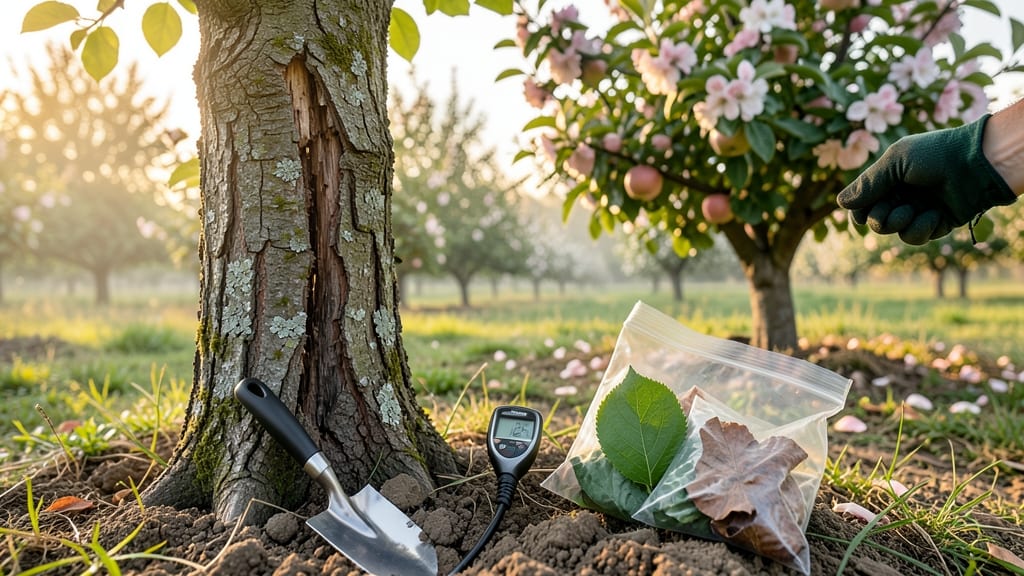
Determining whether your apple tree is dead requires checking for green leaves in spring, new growth on branches, or flexible bark—even if the tree appears dormant or sparse. Never declare it dead too soon, as apple trees often rebound after cold winters or periods of neglect.
Apple trees have a remarkable ability to surprise gardeners. 🌳 A tree that looks completely lifeless in winter might still be alive beneath the surface—especially if the bark remains slightly flexible when bent.
The key is to look for subtle signs of resilience, like tiny buds or even just a faint green tint under the bark when scratched. I’ve seen trees that appeared dead for years come back to life after proper care, so patience and observation are your best tools.
When assessing your tree, focus on three critical areas: the bark, the branches, and the roots. Healthy bark should be firm and brown, not blackened or crumbly. For branches, look for any sign of swelling under the bark—this indicates stored energy waiting to sprout.
And if you can gently dig around the base, you might find roots still alive, which means the tree has a fighting chance.
💡 In This Article
- How to Tell If an Apple Tree Is Dormant or Truly Dead
- Reviving a Stressed Apple Tree: Step-by-Step Recovery Guide
How to tell if an apple tree is dormant or truly dead
Apple trees enter a natural dormant state during winter, shedding leaves and appearing lifeless—but this doesn’t mean they’re dead.
The key difference lies in the bark and branch structure: dormant trees have slightly flexible bark that bends 10-15 degrees without snapping, while dead trees exhibit brittle, blackened bark that crumbles easily. This flexibility comes from the tree’s phloem tissue, which stores nutrients even in winter.
Look closely at the bark’s color and texture. Healthy dormant bark appears grayish-brown with a slightly rough surface, while dead bark turns dark brown to black and feels powdery when scratched. Another telltale sign is the presence of bud scales—tiny protective layers covering next year’s growth.
If you gently peel back the bark on a small branch, you’ll see green tissue underneath if the tree is alive, or dry, brown layers if it’s dead. 💫
Seasonal timing matters too. In late winter or early spring, check for swollen buds along the branches—these indicate stored energy ready to sprout. Even a single bud suggests life.
For older trees, inspect the trunk for sap flow when you make a shallow cut: fresh sap means the tree is alive, while no sap signals death. Remember, apple trees can survive years without fruit but still remain alive beneath the surface.
Branch flexibility is your best quick test. Bend a small branch—if it snaps like dry twigs, the tree is likely dead. But if it bends slightly and returns to shape, it’s dormant. This works because living branches contain moisture and cellulose fibers, giving them resilience.
For a more precise check, use a scratch test: scrape a small area of bark—green underneath means life, brown means death.
Don’t overlook the roots. While you can’t see them easily, healthy roots will still absorb water. Dig a 6-inch-deep hole around the base—if you find white or light-colored roots, the tree has a chance.
Black, mushy roots indicate rot. Even if the above-ground parts look dead, roots can sometimes regenerate new growth when conditions improve.
Finally, consider the tree’s history. Apple trees are hardy and can survive years of neglect, harsh winters, or even partial dieback. I’ve seen trees that lost 80% of their canopy in a storm regrow completely within 3-5 years with proper care.
Patience is key—what looks dead in winter might just be waiting for spring.