Pruning
Telling if an apple tree 🍎 will fruit comes down to reading the right signs before spring blooms appear.
Picture this: You’ve planted your apple tree in full sun, given it the best soil, and waited patiently—only to wonder if it’ll ever produce fruit. The good news?
You can spot clues long before harvest season. From bud formation to branch strength, these early signals reveal whether your tree is on track for a bountiful crop.
Young trees often take 3-5 years to fruit, while mature ones may show signs sooner. But age isn’t everything—soil health, pollination partners, and even last year’s growth play a role.
Below, I’ll break down the 5 key signs to watch for, so you can set realistic expectations and troubleshoot early if something’s off.
By the end, you’ll know exactly what to look for—whether your tree is a future orchard star or still needs a little more time (and maybe a little extra care).
5 Early visual signs your apple tree will fruit
If you’ve ever stared at your apple tree wondering, "Will this finally produce fruit?", you’re not alone. Many gardeners wait years without success, only to realize they missed key visual cues. The good news?
Your tree sends clear signals long before blossoms appear. Learning to read these early visual signs can transform your patience into a bountiful harvest. Let’s decode what your tree is telling you.
Apple trees communicate their fruiting potential through subtle changes in bud formation, branch growth, and even leaf patterns. These signs appear as early as late winter, giving you a head start on preparing for pollination and fruit care.
Ignoring them might mean missing the window to support your tree’s fruiting efforts—or worse, assuming it’s barren when it’s actually just waiting for the right conditions.
🌱 5 Key Signs Your Apple Tree Will Fruit
-
1. Swollen Fruit Buds
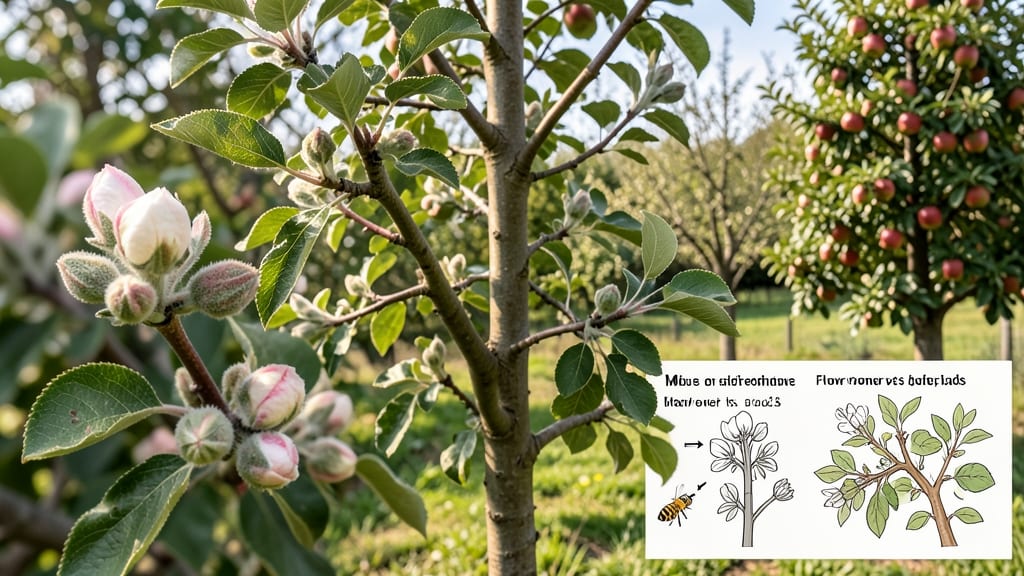
Look for plump, reddish-brown buds along branches in late winter. These are fruit buds, not leaf buds (which are flatter). A healthy tree will have clusters of these near last year’s growth. -
2. Strong Vertical Branches
Fruit-bearing branches grow upright or slightly angled, not horizontal. These scaffold branches support fruit weight. Check for 3-4 year old wood—this is prime fruiting territory. -
3. Dark Green, Leathery Leaves
Mature trees with thick, dark green leaves (not pale or yellowing) are well-nourished and primed to fruit. Leaf size also matters—larger leaves indicate a healthy, productive tree. -
4. Blossom Clusters Forming
By early spring, you’ll spot tight clusters of flower buds (small, rounded, and white/pink). These inflorescence buds are your first confirmation of fruiting potential. Count them—more clusters = more fruit! -
5. Thick, Corky Branch Bark
Mature branches develop rough, corky bark over time. This texture signals age and structural strength—critical for bearing heavy fruit loads. Smooth bark = younger tree; corky = ready to fruit.
Pro Tip: Combine these signs with your tree’s age and variety. A 3-year-old Honeycrisp with swollen buds is far more promising than a 5-year-old Granny Smith with no buds at all.
Don’t overlook the location of these signs. Fruit buds often form on last year’s growth, so scan branches from the previous season. If you spot buds but no blossoms by spring, your tree might need better pollination or warmer temperatures to trigger flowering.
In my garden, a late frost once delayed blossoming for weeks—until I added a row cover!
Young trees (under 3 years) may show buds but fail to fruit due to immature root systems. These trees need extra phosphorus (look for a 10-20-10 fertilizer) to support bud development.
I’ve seen 2-year-olds with buds that never opened—until I amended their soil with composted manure and bone meal.
Watch for leaf curl or discoloration near buds—this could signal apple scab or fire blight, diseases that stunt fruiting. A copper fungicide spray in early spring can prevent these issues. In my experience, a single infected branch can reduce fruit production by 30-50% if left untreated.
Mature trees (5+ years) should show all five signs consistently. If they don’t, check for over-pruning or competing grass/shrubs stealing nutrients. I once had a 10-year-old Fuji that stopped fruiting—until I removed a nearby blackberry bush and pruned back aggressive suckers.
Within a year, it was heavy with fruit again!
Remember: Not all buds become fruit. Apple trees often abort blossoms due to stress, pests, or poor pollination. But if you see buds + blossoms + small fruitlets by late spring, you’re in the clear. Now’s the time to thin fruit (remove excess) to ensure larger, healthier apples.
Start monitoring your tree in late winter—this gives you months to address any issues before blossoming. The earlier you act, the higher your chances of a full harvest. And trust me, there’s nothing like the satisfaction of biting into a homegrown apple you predicted months in advance! 🍏
Age and variety matters: when to expect fruit from apple trees
Apple trees don’t rush to bear fruit—patience is key. A 2-year-old tree might show fruit buds but rarely produces harvest-worthy apples. Most varieties need 3-5 years to mature enough for consistent fruiting. The tree’s age and variety determine your timeline, so let’s break down what to expect.
Young trees focus on root and branch growth, storing energy for future fruit production. Look for spurs—short, stubby branches with clusters of buds—these are your first clue.
Even if no fruit appears yet, these spurs signal the tree’s readiness to fruit in coming years. Dwarf varieties like Honeycrisp may fruit earlier, sometimes in 2-3 years, while standard trees like Granny Smith often take 5+ years.
| Tree Age | Fruiting Potential | Common Varieties | Typical Harvest Window |
|---|---|---|---|
| 2-3 years | Sporadic fruit (often small, not mature) | Honeycrisp, Fuji (dwarf/semi-dwarf) | Late summer (if any) |
| 4-5 years | Moderate fruit production (10-30 lbs) | Gala, Red Delicious | August-September |
| 6+ years | Full production (50+ lbs annually) | Granny Smith, Braeburn | Late August-October |
| Dwarf/Semi-Dwarf | Fruits 1-2 years earlier than standard | Ambrosia, Jazz | Same seasonal windows |
If you planted a Honeycrisp, expect light fruiting by year 3 and peak production by year 5. Granny Smith, however, often waits until year 6 or later for full harvests.
The tree’s size also plays a role—dwarf varieties mature faster, while standard trees take longer but produce more fruit long-term.
Environmental factors like sunlight exposure and soil quality can delay fruiting. A tree in partial shade may take an extra year or two to bear fruit compared to one in full sun. Cross-pollination is another critical factor—many apple varieties need a second tree nearby for successful fruit set.
If you only have one tree, choose a self-pollinating variety like Ambrosia.
Patience pays off! Even if your 3-year-old tree hasn’t fruited yet, it’s likely storing energy for future harvests. Focus on proper pruning and seasonal care to encourage stronger growth.
By year 5, most healthy apple trees will reward you with a bountiful harvest—just give them time to reach their fruiting prime. 🍎
Remember, tree age isn’t everything. A well-cared-for 4-year-old tree might outproduce a neglected 6-year-old. Pay attention to bud development and branch health—these are your best indicators of what’s to come. With the right conditions, your apple tree will soon be laden with fruit! 🌳