
Plants
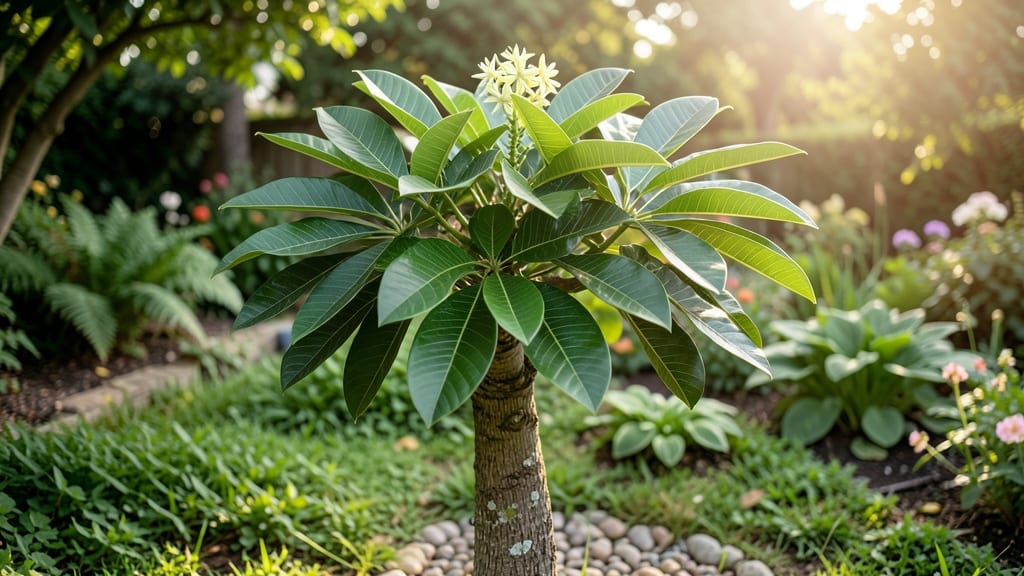
A money tree plant can grow up to 10 feet tall indoors with the right care, though most stay between 6 and 8 feet—about the height of a standard ceiling fan.
If you're dreaming of a lush, lucky money tree (Pachira aquatica) but wondering whether your ceiling can handle its growth, you're not alone. Many plant lovers overlook how quickly this tropical favorite can tower indoors, especially when given bright, indirect light and consistent watering.
The key to managing its height lies in pruning and pot size. A dwarf variety might max out at 3 feet, while standard types can easily reach 10 feet if left unchecked.
Even a 3-year-old money tree can surprise you with rapid growth, so planning for its mature size early saves headaches later.
Below, I’ll break down how to control its height, the fastest-growing varieties, and whether your space can handle its full potential—without sacrificing that good luck charm.


Money tree height by variety: indoor growth limits explained
Choosing a money tree (Pachira aquatica) for your home means balancing its symbolic luck with your space constraints. While all varieties share the same species, their mature heights can vary dramatically—from compact miniature versions to towering standard trees that need ceiling clearance.
Understanding these differences helps you select the right variety for your home’s layout and lighting.
Most money trees reach their mature height indoors within 5–7 years, but growth rates slow significantly after the first 3 years. The key factors influencing height are variety selection, pruning habits, and whether you encourage a single trunk or multiple branches.
For example, a braided money tree might appear taller due to its upward growth pattern, while a heavily pruned specimen could stay bushy and low.
| Variety | Mature Height (Indoors) | Branching Style | Space Needs |
|---|---|---|---|
| Standard Money Tree | 6–10 ft | Single trunk or lightly branched | Ceiling clearance required; 8+ ft spaces |
| Braided Money Tree | 5–8 ft | 3–5 braided trunks | 7+ ft ceilings; wider base needed |
| Miniature Money Tree | 3–5 ft | Multi-stemmed or bushy | Ideal for 6+ ft spaces; shelves or tables |
| Dwarf Varieties (e.g., 'Rainbow') | 3–4 ft | Compact, multi-branched | Perfect for small apartments; 5+ ft ceilings |
| Bonsai-Style Money Tree | 1–3 ft | Heavily pruned, intricate branching | Desk or shelf plants; minimal space |
The standard money tree is the most common variety, often reaching 8–10 feet indoors if left unpruned. Its single trunk grows vertically, making it a statement piece in larger rooms or atriums.
If you love the look but lack ceiling height, opt for the braided variety, which typically tops out at 5–8 feet while adding visual interest with its woven stems.
For smaller spaces, miniature and dwarf varieties are game-changers. These stay under 5 feet tall and thrive in 6-foot ceilings, making them perfect for apartments or offices. The trade-off? They may require more frequent pruning to maintain shape.
If you’re aiming for a desk-sized plant, bonsai-style money trees are an artistic choice, though they demand regular trimming to control growth.
Branching plays a surprising role in perceived height. A money tree with multiple trunks or bushy growth might appear shorter than its actual height because the foliage spreads outward.
For example, a 5-foot braided tree can look deceptively tall when viewed from below, while a single-trunk standard tree of the same height will seem more imposing. If you want a fuller, wider plant, prune the top and encourage side shoots by pinching back new growth.
Light exposure also affects height—money trees grown in bright indirect light tend to grow taller and leggier, while those in lower light may stay shorter but produce fewer leaves. To control height, place your tree near an east-facing window for balanced growth.
Avoid south-facing windows, which can cause rapid, uneven stretching. Rotate the pot every few months to ensure even light distribution.
If you’re concerned about future growth, start with a smaller variety or a young plant. A 1–2 foot money tree can take 3–5 years to reach its mature height, giving you time to adjust your space or pruning plan.
For instance, if you buy a 3-foot dwarf variety, it may only grow 1–2 feet taller over the next decade with regular maintenance.
Remember, money trees are adaptable—you can always prune to reset growth. A hard prune in early spring (cutting back 1/3 of the height) encourages bushier, slower growth.
This is especially useful for standard varieties that outgrow their space. With the right variety and care, your money tree can bring luck—and fit perfectly—into any room.
How to control money tree height: pruning and growth hacks
Managing your money tree (Pachira aquatica) height starts with understanding its natural growth patterns. Without intervention, these tropical plants can reach 6 to 10 feet indoors, making them perfect for open spaces but challenging for small apartments.
The good news? With strategic pruning and growth hacks, you can shape it into a compact, bushy centerpiece that fits your space while keeping its symbolic energy flowing.
One of the easiest ways to control height is by pruning the main trunk early. If you notice your money tree developing a single, elongated stem, cut it back by one-third in early spring.
This encourages lateral branching, creating a fuller, more balanced shape. Just be sure to use sterilized pruning shears and make cuts just above a leaf node to promote new growth.
For those with limited ceiling space, consider dwarf money tree varieties. While they may not exist as naturally occurring types, nurseries often sell grafted or slow-growing cultivars that stay under 3 feet tall.
These are perfect for apartments or offices where vertical space is limited. Just remember: even dwarf varieties need proper care to maintain their compact size, including regular pruning and adequate light.
Light exposure plays a crucial role in height control. Money trees grown in low-light conditions tend to stretch toward light sources, becoming leggy and tall.
To encourage a stockier, bushier growth habit, place your plant near an east or west-facing window where it receives bright, indirect sunlight for 4-6 hours daily. Rotate the pot every few weeks to ensure even growth all around.
If your money tree has already outgrown its space, don’t despair—topping is a great way to reset its height. Simply cut the top off the main stem, just above a leaf node, and place the cutting in water to propagate a new plant.
This not only controls the parent plant’s height but also gives you a free, ready-to-grow money tree for another part of your home!
Finally, repotting every 2-3 years can also influence height. When roots fill the pot, your money tree will focus energy on growing downward rather than upward.
Choose a pot that’s only 1-2 inches larger in diameter than the current one to encourage a wider, bushier shape instead of rapid vertical growth.