
Propagation
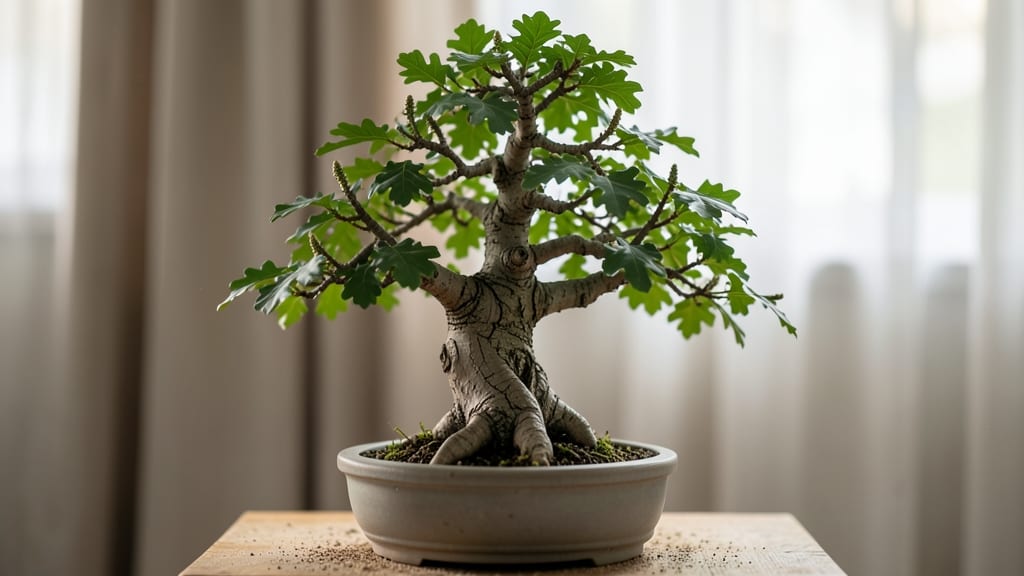
Growing a bonsai oak tree from an acorn means five years of quiet triumph. 🌱 I learned the hard way that oak acorns demand special care—too many beginners rush the process and lose their saplings before they even sprout.
The secret lies in patience, the right soil mix, and understanding that oak trees grow at their own pace, even when miniaturized.
Start with a mature, healthy acorn from a white oak or pin oak—these varieties respond best to bonsai training. The soil must be a precise mix of inorganic grit (like pumice) and organic matter to prevent rot while allowing roots to breathe.
Water lightly but consistently, keeping the soil damp but never soggy, and expect germination to take anywhere from 4 to 12 weeks—sometimes longer. The first year is all about nurturing that fragile sprout into a sturdy seedling.
By year three, you’ll begin shaping the tree with gentle wire pruning and strategic cuts to encourage branching. Oak wood is dense, so pruning too aggressively will shock the tree—think of it as sculpting stone with patience.
The result? A miniature oak with the character of an ancient forest, its gnarled trunk and delicate foliage telling a story of years in the making.
This method works best in USDA zones 6-9, where oak trees thrive naturally. For colder climates, overwinter the young tree indoors near a bright window. The real magic happens in the details—soil, light, and timing—each step building toward that first true bonsai masterpiece. Ready to begin?
📚 In This Guide
- What you need
- Instructions
- Tips and common mistakes
- Wrapping up and next steps
What you need
- ● Fresh acorns – Collect at least 10-20 acorns from a mature oak tree (preferably white oak or red oak for better bonsai potential). Ensure they’re plump and free of cracks or damage.
- ● Well-draining soil mix – Combine: 50% peat moss or coconut coir (for moisture retention)
- ● 30% perlite or pumice (for aeration)
- ● 20% sand (coarse horticultural grade) (to prevent compaction)
- ● Small pots or seed trays – Use 3-4 inch pots with drainage holes for germination (or a shallow tray with individual cells).
- ● Plastic wrap or humidity dome – To maintain moisture during germination.
- ● Misting bottle – For gentle watering without disturbing seeds.
- ● Pruning shears – Sharp, bypass-type shears (for trimming roots and branches as the tree grows).
- ● Wire cutters – For shaping branches (use aluminum or copper bonsai wire, 1-3mm thick).
- ● Root rake or chopsticks – To loosen roots during repotting.
- ○ pH testing kit – Optional but helpful to monitor soil acidity (ideal range: 5.5-6.5).
- ● Grow lights or sunny windowsill – Acorns need bright, indirect light (6+ hours daily).
- ● Patience – Germination can take 4-12 weeks, and bonsai shaping takes 5+ years.
- ● Space – A dedicated area for seedlings (outdoor or indoor with proper light).
- ● Knowledge of oak care – Research oak tree needs (e.g., watering, pruning, and seasonal adjustments).
Step-by-Step instructions for growing a bonsai oak from acorn
Here's the slow, rewarding process I've used to nurture acorns into stunning bonsai oaks.
🌱 Step 1: Select and Stratify Your Acorns
Choose mature, plump acorns from healthy oak trees—avoid those with cracks or holes. I like to collect them in fall and store them in a moist paper towel in the fridge for 3 months (this mimics winter's cold period). This cold stratification breaks dormancy so the seed knows spring has arrived.
After 90 days, remove the acorns and plant them ½ inch deep in a small pot filled with well-draining bonsai soil mix. Keep the soil consistently moist but never soggy—you'll know it's right when the surface stays slightly damp but doesn't glisten with water.
🌿 Step 2: Germinate and Nurture the Seedling
Place the pot in a warm, bright location (around 70-75°F) where it gets indirect light. Germination can take 4-8 weeks, so patience is key. I cover the pot with plastic wrap to maintain humidity, checking daily for condensation—if it's too heavy, lift it for 10 minutes to air out.
Once the first true leaves appear (not the initial seed leaves), remove the plastic wrap completely. This is your signal to move the seedling to a south-facing window where it can get 4-6 hours of morning sun daily. Too much direct sun now will scorch the delicate young leaves.
☀️ Step 3: Train the Seedling's Growth Habit
After 6 months, when the seedling reaches 4-6 inches tall, it's time to start shaping. I use my fingers to gently bend the main stem downward—this encourages branching. Secure it with a small piece of wire wrapped loosely around the trunk, leaving room for the stem to thicken.
Rotate the pot a quarter turn weekly so the seedling grows evenly toward the light. You'll see new leaves emerge on the underside of the stem as it responds to the training. Keep the soil lightly moist—never let it dry out completely, but avoid waterlogging, which causes root rot.
✂️ Step 4: Prune and Refine Over Years
When the seedling reaches 1 year old, begin pruning to encourage dense growth. Cut back the longest stems by ⅓ just above a leaf node. This might seem harsh, but it triggers bushier growth. I also remove any suckers or unwanted growth at the base to focus energy on the main trunk.
Every spring, repot the tree into a slightly larger container (just 1 inch wider than the previous pot) using fresh bonsai soil. This refreshes the root system and prevents it from becoming root-bound. After repotting, place the tree in a shaded area for 1 week to reduce stress before returning it to normal light.
🪴 Step 5: Develop the Miniature Form
By year 3, the tree should have a well-established trunk and branches. Now, I focus on wiring the branches into the desired shape—think of it like sculpting. Use aluminum or copper wire to gently bend branches into curves, securing them with a figure-eight wrap around the trunk and branch.
Leave the wire on for no longer than 3-4 months to avoid scarring the bark. Remove it carefully and prune any new growth that spoils the shape. In late fall, reduce watering to prepare the tree for dormancy, and move it to a cooler spot (40-50°F) until spring.
Tips & tricks for perfect miniature oak bonsai
These little details make all the difference when transforming an acorn into a masterpiece.
Stratification Success: The 3-month cold period is non-negotiable for breaking dormancy, but here's the secret: wrap your acorns in slightly damp paper towels, not soaking wet. Too much moisture can cause rot before germination even begins. I place mine in a sealed plastic bag with a few air holes to maintain that perfect dampness without creating a swamp. After 90 days, you'll notice the shell starts to crack—this is your cue to plant immediately.
Germination Game-Changer: When covering the pot with plastic wrap in Step 2, prop it up slightly so it doesn't touch the soil. Condensation dripping onto leaves can cause rot. I use small pebbles under the edges to create airflow while maintaining humidity. And remember those 10 minutes of daily ventilation? Set a timer—it's easy to forget when you're eagerly watching for sprouts!
Light Management: That 4-6 hours of morning sun is crucial, but here's what I've learned: if your south-facing window gets intense afternoon sun, move the seedling back a foot during the hottest hours (11am-3pm). Oak seedlings are tough, but they'll scorch if suddenly exposed to full sun. I test by running my hand near the leaves—if it feels too hot for your hand, the plant feels it too.
Pruning Precision: When you're cutting back those longest stems by ⅓ in Step 4, always make your cuts just above a leaf node (where leaves attach). This is where new growth will emerge. I use sharp bonsai shears and make clean cuts at a 45-degree angle to prevent tearing. And here's a pro move: after pruning, wipe the cut with a damp cloth to remove sap—it helps prevent disease.
Pro Tips for Bonsai Oak Tree From Acorn
- These little details make all the difference when transforming an acorn into a masterpiece.
- Stratification Success: The 3-month cold period is non-negotiable for breaking dormancy, but here's the secret: wrap ...
- Germination Game-Changer: When covering the pot with plastic wrap in Step 2, prop it up slightly so it doesn't touch ...
Frequently asked questions
Got questions about growing a bonsai oak tree from an acorn? You’re not alone—this journey takes time, care, and a few clever tricks! Here are the answers to the most common queries to keep your miniature oak thriving.
How long does it take for an acorn to sprout into a bonsai-ready oak?
Patience is key! Acorns typically sprout in 4–8 weeks under ideal conditions (warmth, moisture, and shade). However, shaping it into a bonsai-ready tree takes 5+ years—this includes controlled growth, pruning, and wiring. Start early, and you’ll reward yourself with a stunning miniature in no time!
Can I speed up the growth process for my bonsai oak?
While you can’t rush nature, you can optimize growth! Provide bright, indirect light, use a well-draining soil mix, and fertilize lightly during spring/summer. Avoid overwatering—oaks hate soggy roots. A growth regulator (like paclobutrazol) can also slow elongation, helping you shape the tree faster.
What if my acorn doesn’t sprout? How do I troubleshoot?
Don’t panic! Acorns need stratification (a cold, moist period) to break dormancy. If yours isn’t sprouting after 2–3 months, try:
- Chilling it in the fridge (in a damp paper towel) for 6–8 weeks.
- Checking for rot—discard mushy or moldy acorns.
- Ensuring it’s planted pointy-end down and buried shallowly.
Are there easier bonsai trees for beginners than oak?
If oak feels too challenging, try juniper, ficus, or Chinese elm—they grow faster, tolerate pruning better, and forgive beginner mistakes. Oak bonsai is a long-term project, but these species offer quicker gratification while you master the basics.
Can I grow a bonsai oak indoors?
Oaks are outdoor trees and need seasonal changes to thrive. However, you can start the acorn indoors (in a sunny window) until it’s strong enough to transplant outside. Once sprouted, move it to a protected outdoor space (like a greenhouse or shaded patio) to mimic natural conditions.
Pro Tip: Label your acorn’s planting date and track growth milestones—it’s amazing how fast those first leaves appear!
Wrapping up and next steps
Growing a bonsai oak tree from an acorn is a journey of patience, skill, and deep connection with nature—one that rewards you with a living masterpiece over time. 🌱✨ Whether you're a beginner or an experienced gardener, every small step—from selecting the right acorn to refining your pruning techniques—brings you closer to your miniature oak dream.
Now that you’re armed with the right tools and knowledge, take that first acorn and start your bonsai adventure today! Next, plant it, nurture it, and watch your vision grow—one careful year at a time.