
How To
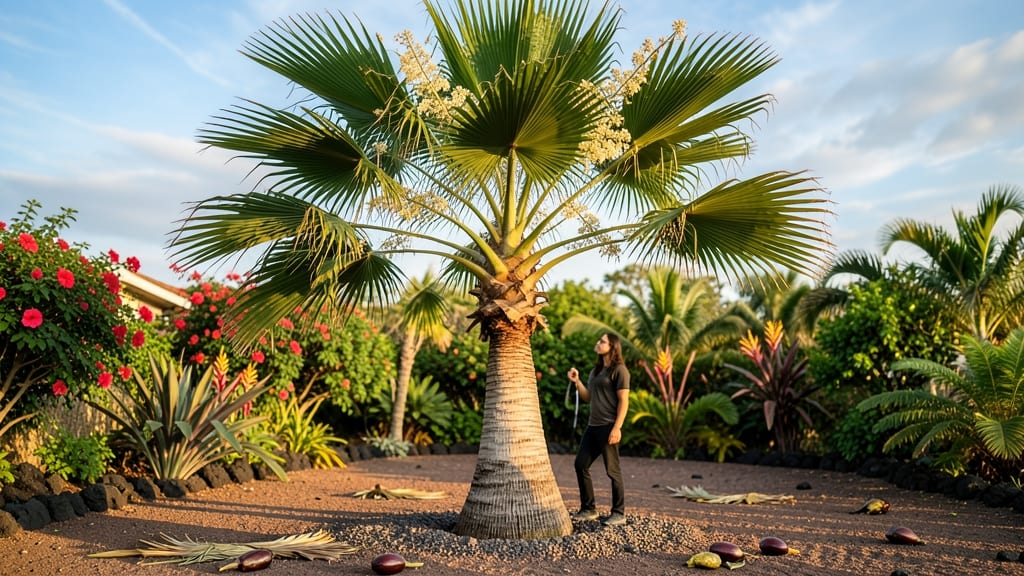
How tall can a palm tree grow? The answer ranges from a modest 8 feet to a staggering 200 feet—depending on the species and growing conditions, that’s the difference between a backyard accent and a skyscraper rival.
Imagine a towering 🌴 coconut palm soaring above your house or a delicate dwarf palm barely reaching your knee. The height of a palm tree isn’t just about genetics; it’s shaped by climate, soil, and care.
If you’ve ever wondered how these tropical giants reach such extremes—or how to pick the right size for your space—this guide breaks down everything you need to know.
Some palms, like the towering oil palm, can grow 150 feet in ideal conditions, while others, such as the pygmy date palm, stay under 10 feet forever.
Understanding these differences helps you choose the perfect palm for your yard, whether you want a dramatic statement or a compact centerpiece.
Here, we’ll explore the tallest species, how to predict growth, and even whether you can control their height—spoiler: most can’t be pruned down, but there are workarounds for small spaces. Ready to find out which palm fits your vision?


The tallest palm trees in the world: species and record heights explained
When most people picture palm trees, they imagine tropical beaches with trees reaching 30-50 feet—tall, but not towering. Yet some palm species defy expectations, growing taller than 10-story buildings.
The tallest palm trees on Earth push the limits of plant growth, reaching heights that challenge our perception of what’s possible in nature. These giants thrive in ideal conditions, combining perfect genetics with tropical climates, nutrient-rich soils, and abundant sunlight.
The record-breaking heights of palm trees aren’t just about species—it’s also about location. Take the coconut palm (Cocos nucifera), for example.
In its native habitats like the Seychelles or the Philippines, it can grow over 100 feet tall, while in cooler climates, it might max out at 30-40 feet. This variance highlights how climate and care shape a palm’s potential.
Let’s explore the world’s tallest palms and the secrets behind their sky-scraping growth.
🌴
| Palm Species | Record Height (ft) | Natural Habitat | Key Growth Factors |
|---|---|---|---|
| Coconut Palm (Cocos nucifera) | 120+ ft | Tropical coastlines (Seychelles, Philippines) | High humidity, sandy soil, full sun |
| Oil Palm (Elaeis guineensis) | 80-100 ft | West African rainforests | Rich organic soil, year-round warmth |
| Royal Palm (Roystonea regia) | 60-70 ft | Cuba, Florida (native) | Well-draining soil, consistent moisture |
| Imperial Palm (Roystonea oleracea) | 100+ ft | Cuba, Bahamas | High rainfall, limestone soil |
| Wine Palm (Cocos vinifera) | 150+ ft (tallest recorded) | South America (Amazon basin) | Flood-prone areas, nutrient-rich riverbanks |
The wine palm (Jessenia bataua) holds the record for the tallest palm tree ever measured, with specimens exceeding 150 feet in the Amazon rainforest. These giants grow in floodplains where the soil is perpetually moist, providing the perfect conditions for rapid vertical growth.
Their thick, fibrous trunks and sprawling root systems anchor them against tropical storms, allowing them to dominate the canopy.
In contrast, the oil palm (Elaeis guineensis) typically reaches 80-100 feet but thrives in West African rainforests where the soil is rich in organic matter. Unlike the wine palm, oil palms produce edible fruits, making them both ecologically and economically vital.
Their height is influenced by pruning practices in commercial plantations, where fronds are removed to redirect energy toward fruit production rather than vertical growth.
For gardeners in USDA Zones 9-11, the royal palm (Roystonea regia) is a popular choice, often reaching 60-70 feet in ideal conditions. Unlike its towering cousins, the royal palm grows more slowly but is highly adaptable to urban environments.
Its arching fronds and striking trunk make it a favorite for landscaping, even in cities like Miami or Los Angeles where space is limited.
Soil quality plays a critical role in a palm’s height potential. The imperial palm (Roystonea oleracea), native to Cuba, grows best in limestone-based soils that drain quickly but retain moisture. In poorer soils, its growth rate slows dramatically, often capping out at 50-60 feet.
This highlights why amending soil with compost or using well-draining mixes can encourage taller growth in container-grown palms.
Sunlight exposure is another non-negotiable factor. The coconut palm, for instance, requires 6+ hours of direct sun daily to reach its full height. In shaded conditions, it may grow only 30-40 feet tall, with thinner trunks and fewer fronds.
If you’re growing palms in containers or small yards, prioritize the sunniest spot available—even partial shade can stunt growth by 30-50%.
Watering habits also influence height. While most palms prefer consistent moisture, overwatering can lead to root rot, which stunts growth. The wine palm’s ability to thrive in flood-prone areas is due to its aerial roots, which absorb oxygen even when submerged.
Mimic this adaptability by ensuring your palm’s soil drains well—sandy loam is ideal for most tropical species.
If you’re dreaming of a skyscraper-sized palm in your yard, start with the right species and location. For coastal climates, the coconut palm is unbeatable, while urban landscapes benefit from the royal palm’s slower, more manageable growth.
And remember: patience is key—even the fastest-growing palms take 10-15 years to reach maturity. With the right care, your palm could one day rival the giants of the Amazon!
🌳
How to determine a palm tree’s growth potential before planting
Before planting a palm tree, understanding its mature height is critical to avoid overcrowding or structural conflicts. Palm trees vary wildly—from dwarf varieties that top out at 15 feet to giant species like the coconut palm, which can reach 100+ feet.
Your climate, soil, and even sunlight exposure play huge roles in how tall your palm will grow. Let’s break down how to predict growth and choose the right species for your space.
Start by checking your USDA hardiness zone. Most palm trees thrive in zones 9-11, but some cold-hardy varieties like the windmill palm can survive in zone 7. If you’re in a cooler zone, opt for dwarf or cold-resistant species to prevent winter damage.
Always verify the minimum temperature tolerance of your chosen palm—some can’t handle drops below 20°F, while others survive 10°F with protection.
Next, measure your available space. A standard coconut palm needs 20-30 feet of clearance at maturity, while a pygmy date palm stays under 10 feet. Sketch your landscape and mark the mature height of nearby structures, power lines, or rooflines.
Pro tip: Use a measuring tape or laser tool to visualize the palm’s canopy spread—some varieties grow wider than they do tall.
Growth rate is another key factor. Fast-growing palms like the Mexican fan palm can add 3–4 feet per year, while slower varieties like the dwarf palmetto grow just 1 foot annually.
Multiply the annual growth rate by the number of years until maturity to estimate your palm’s future height. For example, a coconut palm growing at 2 feet per year will reach 60 feet in 30 years—plan accordingly!
Soil and sunlight also influence height. Palm trees in well-draining, sandy soil with full sun exposure grow taller and faster than those in clay soil or shade. If your yard has poor drainage, consider raised beds or containers to prevent root rot, which can stunt growth.
Always plant palms in locations with minimal competition for water and nutrients—overcrowding slows height development.
Finally, consult local nurseries or extension services for region-specific advice. They can recommend palm varieties that thrive in your area and provide insights on local microclimates that may affect growth.
With the right research, you’ll avoid the heartbreak of a palm outgrowing its space—or worse, damaging your home. Happy planting!