
How To
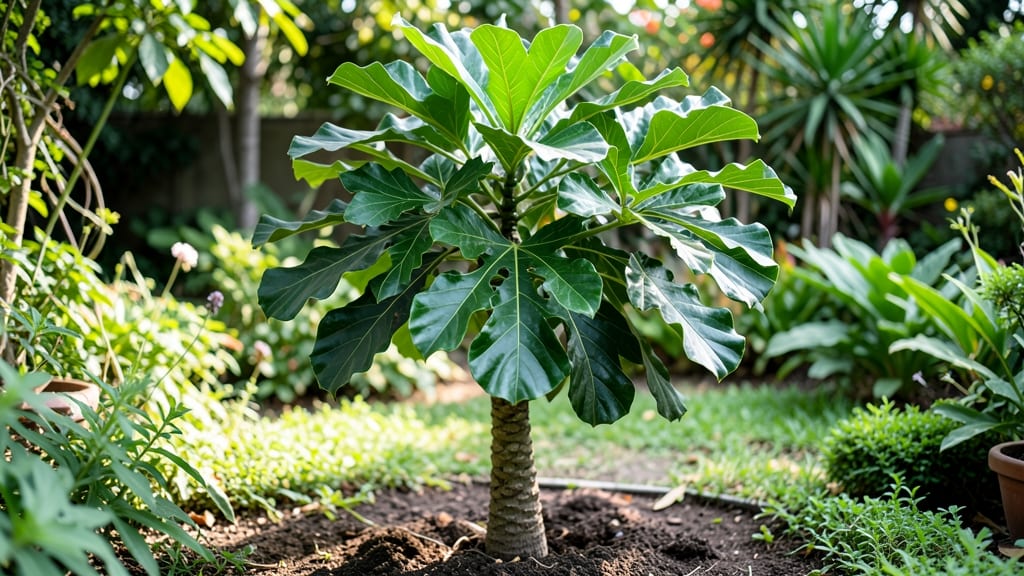
A money tree can grow anywhere from 3 to 10 feet tall, depending on where you grow it and how you care for it. That’s right—your living room ceiling might soon become its new height limit if you don’t prune it, or it could stay compact with the right care.
Picture this: a 6-foot-tall money tree 🌿 thriving in a sunny conservatory, its braided trunk reaching for the sky, while the same plant in a dim corner stays a modest 2 feet tall. The difference isn’t just luck—it’s light, water, and a little strategic pruning.
Indoors, most money trees top out around 6 feet if given bright, indirect light and regular pruning. Outdoors in warmer climates, they can stretch to 10 feet or more, mimicking their tropical origins. But don’t worry—controlling its height is easier than you think.
In this guide, I’ll break down the key factors that determine how tall your money tree grows, whether you want it to stay small or become a statement plant. You’ll also learn how to prune it for the perfect size, so it fits your space without taking over.


Money tree height limits: indoor growth potential explained
If you’re dreaming of a money tree (Pachira aquatica) that stretches toward your apartment ceiling, you’re not alone! This tropical beauty can grow surprisingly tall indoors—but its height depends entirely on your care routine.
With the right conditions, some indoor money trees reach 6 to 10 feet, while others stay compact at 3 to 4 feet. The key lies in understanding how light exposure, pruning, and pot size interact to shape its growth trajectory.
For most apartment gardeners, a 5-foot money tree is the sweet spot—tall enough to make a statement without dominating your space. However, if you’re willing to invest in larger pots, bright indirect light, and regular pruning, you can push those limits even higher.
Let’s explore what’s realistic and how to steer your plant’s growth in your desired direction.
| Growth Factor | Indoor Height Range | Key Influences |
|---|---|---|
| Light Exposure | 3–10 ft | Bright indirect light = faster growth; low light = stunted growth |
| Pot Size | 3–8 ft | Larger pots = taller growth; root-bound = slower height gain |
| Pruning Habits | 2–6 ft | Regular pruning = bushier growth; no pruning = taller, leggier stems |
| Fertilization | 4–9 ft | Balanced fertilizer = faster growth; over-fertilizing = weak stems |
| Growth Rate | 1–2 ft/year | Optimal conditions = 2 ft/year; stress = slower growth |
Your money tree’s height is directly tied to its light conditions. Place it near an east or west-facing window for bright indirect light, which fuels rapid growth. Under these conditions, expect 1 to 2 feet of new growth per year.
If your plant is struggling in dim corners, supplement with a grow light—this can double its growth rate within months.
Pot size plays a surprising role in height control. Money trees in 12-inch or larger pots grow taller because they have more space to develop deep root systems.
However, if you want a compact money tree, keep it in a smaller 6- to 8-inch pot—this restricts vertical growth while encouraging bushier foliage. Just remember to repot every 2 to 3 years to prevent root-bound stress.
Pruning is your secret weapon for shaping your money tree’s height. If you prune the top branches regularly, the plant will focus energy on lateral growth, keeping it shorter and fuller.
For a taller money tree, avoid heavy pruning and let it grow naturally. Even a single light trim every few months can redirect growth patterns dramatically.
Fertilizer choices also impact height. A balanced 10-10-10 fertilizer applied every 6 to 8 weeks in spring and summer promotes steady growth. Skip fertilizing in fall and winter, as the plant enters dormancy.
Over-fertilizing can lead to weak, leggy stems that struggle to support their own weight—so always follow the 1 tablespoon per 6-inch pot rule.
Seasonal changes affect growth too. In spring and summer, your money tree will grow most aggressively, potentially adding up to 2 feet if conditions are ideal. During fall and winter, growth slows dramatically, making this the perfect time to prune for shape or adjust light exposure if needed.
Never prune during active growth phases, as this stresses the plant.
If you’re aiming for a money tree under 5 feet, focus on these three strategies: prune the top branches, keep it in a smaller pot, and place it in moderate light.
For a towering indoor tree, maximize light, use a large pot, and fertilize consistently. With patience, you can train your money tree to fit your space perfectly—whether that’s a bushy tabletop plant or a room-dividing giant.
Remember, every money tree has its own personality. Some grow vertically like trees, while others branch out horizontally. Pay attention to how yours responds to your care routine, and adjust as needed.
With the right balance of light, pruning, and pot size, you’ll unlock your money tree’s full indoor growth potential—no matter how tall (or short) you’d like it to be! 🌿
Outdoor money tree growth: can it reach tree-like heights?
Your money tree (Pachira aquatica) can absolutely grow into a tree-like specimen outdoors—but only in the right conditions. Native to tropical regions, this plant thrives when given year-round warmth, humidity, and protection from frost.
In ideal climates, it can reach 10+ feet tall with proper care, mimicking its wild counterparts in Central and South America.
However, temperate climates pose major challenges. Money trees are frost-sensitive and will die back if exposed to temperatures below 40°F (4°C). Even a single frost can kill the plant, so gardeners in colder zones must treat it as an annual or container plant brought indoors during winter.
| Climate Type | Growth Potential | Key Conditions | Frost Risk |
|---|---|---|---|
| Tropical (Zones 10-12) | 10-20 ft | Humidity 60%+, well-draining soil, full sun to partial shade | None |
| Subtropical (Zones 9-10) | 6-12 ft | Humidity 50%+, mulch for root protection, partial shade | Minor (light frosts) |
| Temperate (Zones 6-8) | 3-6 ft (container) | Well-draining soil, container with wheels, indoor wintering | High |
In tropical climates, money trees grow rapidly outdoors, often reaching 10 feet in 3-5 years when planted in fertile, well-draining soil. They develop thick trunks and lush canopies, making them stunning focal points in landscapes.
For example, in Hawaii or Florida, money trees are commonly grown as small shade trees in gardens.
For temperate zone gardeners, the key to outdoor success is container growing. Use a large pot with drainage and move it indoors before fall temperatures drop.
Even in Zone 9, where light frosts occur, wrapping the pot in burlap and insulating it can help protect roots during brief cold snaps.
Soil type also plays a crucial role. Money trees prefer sandy loam with good drainage to prevent root rot. Amend heavy clay soils with compost or perlite to improve aeration.
In urban environments, raised beds with organic matter can mimic their natural tropical habitat, encouraging faster, healthier growth.
If you're in a cooler climate, don’t give up hope! With seasonal adjustments, your money tree can still thrive outdoors during warm months. Just be prepared to bring it inside when temperatures dip—your plant will thank you with vigorous new growth come spring! 🌳