
Size
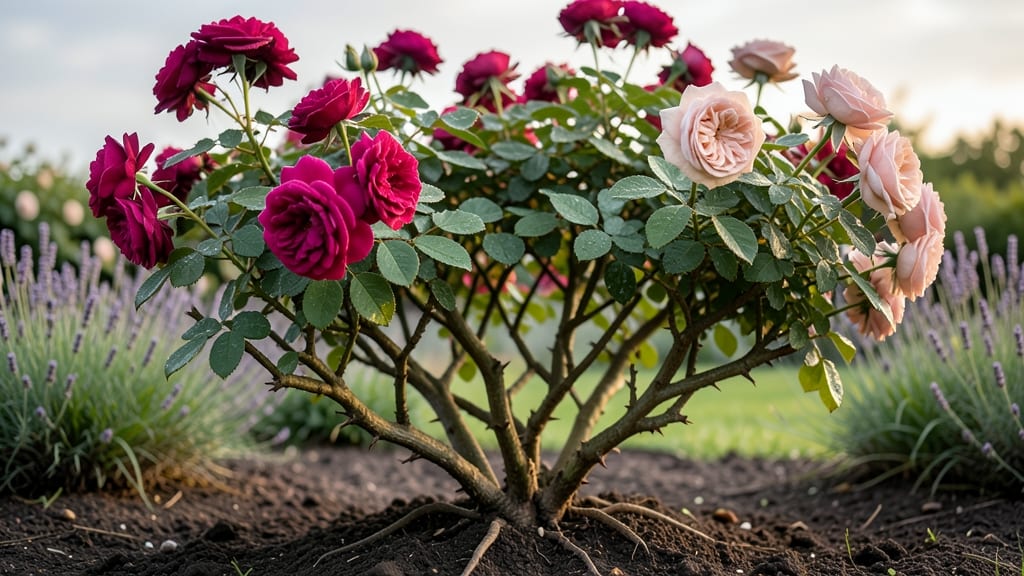
How big does a rose tree get? It can range from a few feet tall to towering 20-foot climbers, depending on the variety and how you prune them.
If you’re dreaming of planting roses but wondering whether they’ll fit in your garden—or if they’ll sprawl uncontrollably—knowing their mature size is critical. The answer varies wildly by variety, from compact shrubs to towering climbers, and pruning can dramatically alter their growth.
For example, a Knock Out rose stays neatly under 4 feet, while a climbing tea rose can reach 15 feet or more if left unchecked. Even the same rose bush can look completely different with proper pruning versus neglect.
Below, I break down the mature sizes of the most popular rose types, how spacing affects their growth, and the pruning secrets that keep them in check—so you can plan your garden with confidence.
Mature rose tree size by variety: from dwarf to climbing giants
When planning your rose garden, knowing the mature size of each variety is essential for spacing, pruning, and overall design. Roses range from dwarf varieties that fit in containers to climbing giants that need trellises or fences for support.
The size you end up with depends on the variety type, pruning habits, and even the planting location—whether in the ground or a pot. Let’s break down the most popular types and their typical dimensions.
Understanding these growth patterns helps you avoid overcrowding, which can lead to disease spread and reduced airflow. For example, a climbing rose planted too close to a shrub rose will compete for nutrients and light, stunting both.
Always check the label or nursery notes for specific variety details, as mature sizes can vary slightly based on growing conditions.
Here’s a quick reference for the most common rose types and their mature sizes, including spacing recommendations for a thriving garden:
If you’re growing ‘Knock Out’ roses, one of the most popular shrub varieties, expect them to reach 3–4 feet tall and wide with minimal pruning. These roses are known for their continuous blooms and disease resistance, making them perfect for small gardens or containers.
Plant them 3 feet apart to allow for airflow and reduce fungal risks.
For climbing roses, like the stunning ‘New Dawn’, plan for heights of 10–15 feet or more when trained on a trellis or fence. These varieties need strong support structures and should be planted 6–8 feet away from other plants to avoid shading.
Their long canes can sprawl dramatically if left unchecked, so regular pruning is key.
When choosing David Austin English Roses, such as ‘Gertrude Jekyll’, you’ll get a romantic, old-fashioned look with heights of 4–6 feet and widths of 3–5 feet.
These roses thrive in sunny spots and benefit from regular deadheading to encourage more blooms. Space them 3–4 feet apart to prevent overcrowding.
For container gardening, opt for dwarf or mini varieties like the ‘Fairy’ roses, which max out at 1–2 feet tall. These are ideal for balconies, patios, or window boxes and can even thrive in 5-gallon pots.
Just ensure the container has drainage holes and use a well-draining potting mix to prevent root rot.
One common mistake is assuming all roses need the same amount of space. For instance, hybrid tea roses, like ‘Mister Lincoln’, can grow 5–6 feet tall and need 4–5 feet of clearance from other plants.
If you’re planting them near a walkway or fence, leave extra room for pruned canes that may extend beyond the bush’s natural width.
Pro tip: Always check the nursery tag or seed packet for the <
How pruning affects rose tree size: techniques to control growth
Pruning isn’t just about shaping your roses—it’s the secret weapon to controlling their height, bushiness, and even flowering intensity. A single cut can turn a sprawling climber into a tidy shrub or encourage a compact rose to reach its full potential.
The key is understanding how timing and pruning intensity shape growth patterns, so you can tailor your approach to your garden’s needs.
Roses naturally grow based on their variety, but pruning techniques can shrink or expand their mature size by up to 50%. For example, a climbing rose left unpruned might soar to 15–20 feet, while the same plant pruned aggressively could stay under 6 feet.
The difference lies in whether you remove old wood (encouraging new growth) or new shoots (limiting height).
Pruning Impact on Rose Tree Size
| Technique | Resulting Size | Best For |
|---|---|---|
| Hard Pruning | Compact (3–5 ft) | Small gardens, Knock Out® roses |
| Moderate Pruning | Medium (5–8 ft) | Hybrid teas, Floribundas |
| Minimal Pruning | Large (8–15+ ft) | Climbers, old garden roses |
✂️ Pro Tip: Use clean cuts at 45-degree angles to prevent disease and encourage faster healing.
Start with late winter or early spring pruning for most roses, just as new buds form. This is when you’ll see the most dramatic size control—cutting back 1/3 to 1/2 of the plant’s height stimulates bushier growth.
For climbing roses, prune after flowering to redirect energy into longer canes rather than blooms. Avoid pruning in fall, as this can leave cuts vulnerable to fungal infections over winter.
Your tools matter just as much as your technique. Use bypass pruners for clean cuts on thin stems and a pruning saw for thick, woody branches. Disinfect tools with rubbing alcohol between cuts to prevent spreading black spot disease.
I’ve learned the hard way that skipping this step can turn a healthy rose into a sad, spotted mess in weeks.
Common mistakes like over-pruning (cutting into old wood) or under-pruning (leaving dead wood) can stunt growth or invite pests. For example, hybrid teas pruned too lightly may produce fewer blooms, while climbers pruned too aggressively lose their natural climbing structure.
Always leave at least 3–5 strong canes to maintain the plant’s health and vigor.
Visualize your goal: A well-pruned rose has an open center, allowing air and light to reach all parts of the plant. In contrast, an over-pruned rose looks skeletal, with sparse foliage and weak stems.
Strike a balance—your roses will thank you with vibrant blooms and controlled growth all season long. 🌹