
Pruning
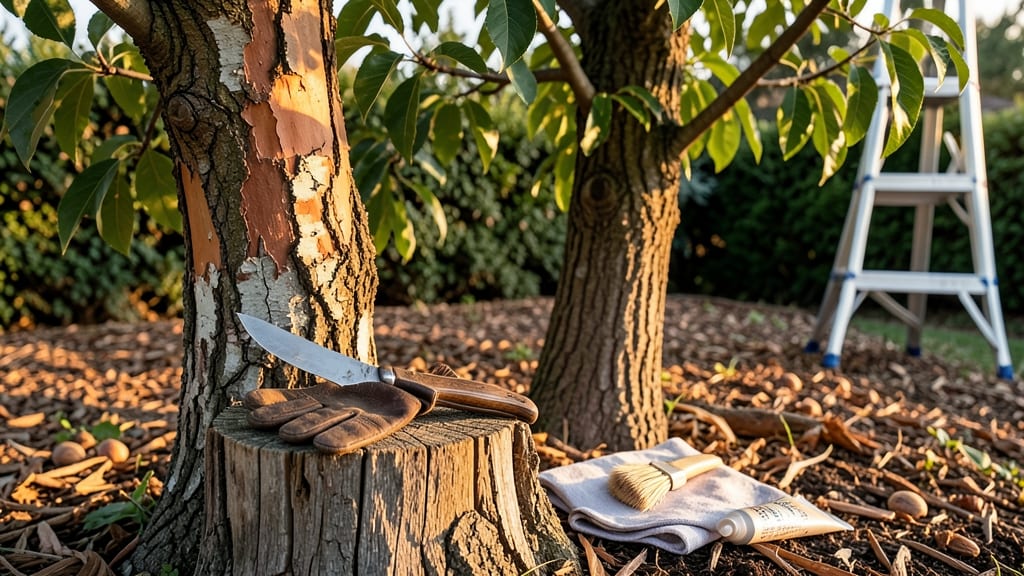
Fixing the damage to your tree’s scratched bark isn’t just about aesthetics—it’s a critical step to prevent pests and disease from taking hold. 🌳 I’ve seen deep gouges from lawnmowers, animal rubs, and even DIY pruning mistakes spiral into bigger problems if left unchecked. The good news?
With the right sealants and timing, you can heal wounds and protect your tree’s health for years. Start by cleaning the damaged area with a mix of 1 part hydrogen peroxide to 10 parts water—this kills lingering bacteria.
Then choose your sealant: pruning sealant for fresh cuts, beeswax for minor scratches, or tree wound dressing for larger injuries. Apply it within 24 hours of the damage to seal out moisture and pests.
By spring, you’ll see new bark forming over the treated area, and the tree will look like it never had a scratch. The key is acting fast—before sap oozes or fungi take hold. This method works for oak, maple, and even fruit trees.
Works for both young and mature trees, and the supplies cost less than $20. Let’s get that bark healed up!
Root Causes Of Bark Damage
Understanding why tree bark gets damaged is the first step to restoring its health—and preventing future harm. Trees are resilient, but their bark faces constant threats from nature, wildlife, and even human activity.
Below, we break down the most common culprits behind scratched, stripped, or wounded bark, explained in clear scientific terms.
---
Trees are built to withstand the elements, but high winds, hail, and storms can strip bark like sandpaper against skin. When branches rub against each other (a phenomenon called flagging), the outer bark wears down, exposing the cambium layer—the tree’s growth engine.
This damage is especially severe in: - Thin-barked trees (like birch or willow) that lack protective thickness. - Overhanging branches that collide during storms. - Urban areas where wind tunnels amplify force.
💡 Pro Tip: Trees with co-dominant stems (two main trunks growing close together) are prime candidates for wind damage. Pruning to create space between branches can reduce friction.
---
Animals don’t just nibble leaves—they gouge, scrape, and strip bark for food, shelter, or territorial marking.
Common offenders include: - Squirrels, rabbits, and deer that chew bark in winter when food is scarce (a behavior called bark stripping). - Beavers and porcupines, which can peel off entire sections of bark for nesting or food. - Insects like bark beetles that burrow into the cambium, creating girdling wounds (a death sentence for trees if unchecked).
🔍 Key Sign: Look for parallel grooves (from rodent teeth) or sawdust-like frass (insect droppings) near the damage.
--- We’re the worst offenders—lawnmowers, string trimmers, and even well-meaning pruning mistakes can devastate bark.
Common human mistakes include: - Lawn equipment collisions that scrape or gouge the trunk (especially in young trees). - Improper pruning cuts that leave jagged edges, exposing the cambium to disease. - Tie wounds from stakes or wires that constrict growth and create pressure points. - Vandalism or pet damage (dogs scratching, kids carving initials).
🚨 Warning: A deep wound (over 1/3 of the trunk’s circumference) can girdle the tree, cutting off nutrient flow. Act fast to seal it!
--- Once bark is compromised, pathogens move in like squatters. Fungi and bacteria exploit wounds to: - Weaken structural integrity (e.g., Armillaria root rot). - Discolor and kill tissue (e.g., Nectria canker). - Spread through the vascular system, clogging water transport.
🌡️ Red Flags: Oozing sap, black or orange fungal growth, or sunken, dead patches signal infection.
--- Even without direct damage, sun, drought, and pollution can degrade bark over time: - Sun scald occurs when rapid temperature swings (common in winter) cause bark to split or peel. - Drought stress makes bark brittle and prone to cracking. - Air pollution (like ozone or sulfur dioxide) weakens bark, making it susceptible to further damage.
💡 Fix It: Mulch properly and water deeply during dry spells to maintain bark elasticity.
--- A struggling tree is an open invitation for damage. When trees are nutrient-deficient, diseased, or root-bound, their bark becomes: - Thinner and more fragile (easy prey for pests). - Less resistant to physical stress (like wind or snow). - More attractive to boring insects seeking weak wood.
📊 Check for: Yellowing leaves, stunted growth, or excessive leaf drop—signs your tree needs help before bark damage sets in.
--- One scratch can spiral into disaster if ignored: 1. Wound → Pathogen entry (fungi/bacteria). 2. Infection → Decay (rotting wood). 3. Decay → Structural failure (branches or entire tree collapse).
🚨 Act Now: Seal wounds within 24 hours to block invaders and prune properly to minimize future trauma.
Quick Fixes for Damaged Tree Bark
Now that you know what’s causing those unsightly scratches, peeling, or deep wounds on your tree’s bark, it’s time to roll up your sleeves and get to work! The good news? Most tree bark damage can be repaired with simple, natural solutions—no fancy tools or expensive treatments required.
Below, we’ve matched the most common causes to practical fixes, plus pro tips to keep your tree looking (and staying) healthy.
---
(From lawnmowers, pets, or tools)
How to Fix It: 1. Clean the Area 🧼 Use a soft brush or cloth to gently remove dirt, debris, or sap from the scratch. Avoid harsh scrubbing—you don’t want to create micro-tears.
2. Apply a Natural Sealant 🛡️ - Beeswax or Tree Wax: Melt beeswax (or a tree-specific wax sealant) and brush it lightly over the scratch.
This creates a protective barrier while allowing the tree to breathe. - Pruning Sealant (Optional): For deeper scratches, a 100% natural pruning sealant (like those made from linseed oil or pine tar) can prevent disease entry. Skip synthetic sealants—they can suffocate the bark.
3. Monitor for Healing 🌱 Most shallow scratches will heal on their own in a few months. If the area turns black or oozes sap for weeks, it may need a second coat of sealant.
💡 Prevention Tip: - Train pets to avoid rubbing against trees (use pet-safe deterrents like citrus sprays on the bark). - Use a shield on lawnmowers or weed whackers when trimming near tree bases. - Mark trees with reflective tape or flags in high-traffic areas (like driveways).
---
(From harsh sunlight, drought, or rapid temperature swings)
How to Fix It: 1. Hydrate the Tree 💦 Deep-water the tree (1–2 inches per week, depending on climate) and mulch the base with 3–4 inches of organic mulch (wood chips or shredded bark). Keep mulch 6 inches away from the trunk to avoid moisture buildup.
2. Protect from Sun ☀️ - Shade cloth (lightweight, breathable fabric) can shield young or sensitive trees during extreme heat. - Reflective barriers (like aluminum foil wrapped around the trunk) can deflect sunlight—but remove it in winter to avoid frost damage.
3. Gently Exfoliate Dead Bark 🧤 Use a soft-bristle brush to remove loose, peeling bark. Avoid scraping—this can expose healthy tissue.
🌡️ Prevention Tip: - Water deeply but infrequently (encourages deep root growth). - Avoid pruning in late summer—this stresses trees when they’re already battling heat. - Choose shade-tolerant species (like dogwood or serviceberry) if your yard gets intense afternoon sun.
---
(From storms, improper pruning, or animal damage)
How to Fix It: 1. Assess the Damage 📏 - Minor cuts (under ½ inch deep): Seal with beeswax or a natural pruning sealant. - Major wounds (deeper or wider than 1 inch): These may need professional help, especially if the tree is large or valuable. A certified arborist can determine if the wound is too severe for DIY repair.
2. Shape the Wound (If Needed) ✂️ If the cut is jagged, use sterilized pruners to trim it into a smooth, slightly concave shape. This helps the tree seal the wound faster.
3. Disinfect the Area 🦠 Wipe the wound with a 1:10 bleach-water solution (or hydrogen peroxide) to kill bacteria or fungi. Let it dry completely before sealing.
4. Apply a Healing Paste 🩹 Mix 1 part beeswax + 1 part coconut oil and spread a thin layer over the wound. For larger cuts, a tree wound dressing (like Tanglefoot Tree Wound Pruning Sealer) can work—but avoid synthetic products that don’t allow the tree to heal naturally.
✨ Prevention Tip: - Prune correctly: Use clean, sharp tools and make cuts at a 45-degree angle just outside the branch collar. - Install tree guards (like metal collars) on young trees to prevent animal damage. - Trim branches gradually—never remove more than 25% of the canopy in one season.
---
(From bark beetles, powdery mildew, or canker diseases)
How to Fix It: 1. Identify the Culprit 🔍 - Fungal spots? Scrape a small area—if it’s powdery or slimy, it’s likely mildew or rot. - Holes or sawdust? Check for bark beetles or borers.
2. Treat Fungal Issues 🍄 - Neem oil spray (1 tsp per quart of water) can kill mild fungal growth. Spray early in the morning to avoid burning leaves. - Baking soda solution (1 tbsp baking soda + 1 tsp dish soap + 1 gallon water) works for powdery mildew.
3. Combat Pests 🐛 - Bark beetles: Prune and destroy infested branches immediately. Use beneficial nematodes (like Steinernema carpocapsae) in the soil to target larvae. - Sap-sucking insects: Blast them off with a strong hose spray or apply insecticidal soap.
4. Remove Infested Bark 🧹 Scrape off all infected, peeling, or discolored bark and sterilize your tools with rubbing alcohol between cuts.
🎯 Prevention Tip: - Keep trees healthy with proper watering and fertilization. - Encourage natural predators (like birds or ladybugs) by planting pollinator-friendly shrubs nearby. - Inspect trees twice a year (spring and fall) for early signs of pests or disease.
--- Final Note: Patience is key! Trees heal at their own pace—some scars may remain, but with the right care, your tree will bounce back stronger. For persistent or severe damage, consult a local arborist to avoid unintended harm. 🌳✨
Frequently asked questions
Can I use regular paint to seal tree bark damage?
Never use regular paint—it can suffocate the tree and prevent proper healing. Instead, opt for 100% natural tree sealants like beeswax or pruning paste, which allow the bark to breathe while protecting against pests and moisture. These products are specifically designed to integrate with the tree's natural healing process.
How long does it take for a sealed wound to heal?
Most shallow scratches heal within 6-12 months, while deeper wounds may take 2-3 years or longer, depending on the tree species and size. The key is sealing the wound within 24 hours to prevent infection. Monitor the area regularly for signs of healing or potential issues like oozing sap or fungal growth.
What's the best way to protect young trees from lawnmower damage?
Install tree guards (metal or plastic collars) around the trunk to create a barrier between the tree and lawn equipment. For extra protection, use a mulch ring (3-4 inches thick) around the base while keeping it 6 inches away from the trunk to prevent moisture buildup. Train pets away from the area using pet-safe deterrents like citrus sprays.
Is it safe to use hydrogen peroxide on all types of tree bark?
Yes, a 1:10 dilution of hydrogen peroxide to water is safe for most tree species as it kills bacteria without harming the tree. However, avoid using it on very young or sensitive trees like willows or birches, as their bark is more delicate. Always test a small, hidden area first to ensure no adverse reactions occur.
When is the worst time of year to prune damaged branches?
The worst times are late summer and early fall, when trees are already stressed from heat and preparing for winter. The best times are late winter/early spring (just before buds swell) or mid-summer (after the tree has finished its main growth period). Avoid pruning during drought conditions or extreme cold.