
Trees
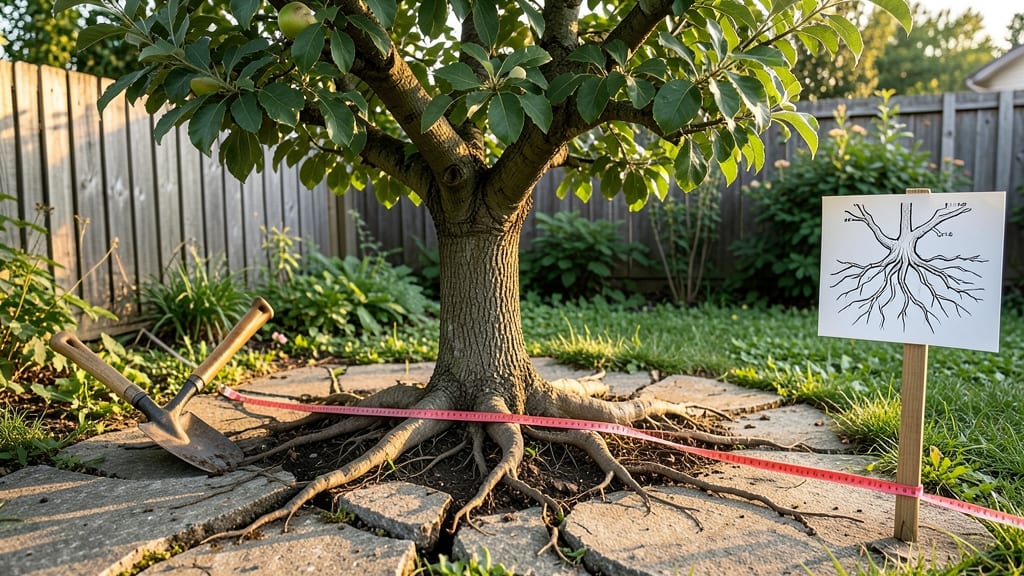
Apple tree roots can cause damage by spreading aggressively up to 2-3 times the tree’s canopy width, potentially lifting sidewalks, cracking foundations, and invading sewer lines or underground pipes if planted too close to structures.
Apple trees develop extensive root systems that can wreak havoc near homes, especially when planted too close to buildings or underground utilities. 🌳 The lateral roots—those spreading horizontally—are the real troublemakers, as they seek moisture and nutrients beneath driveways and foundations.
I’ve seen cases where homeowners planted apple trees within 15 feet of their house only to discover years later that the roots had cracked their basement floor or clogged drainage pipes.
The key is understanding that root growth isn’t just outward—it’s also downward, following water sources like irrigation lines or leaky pipes.
This isn’t just about mature trees, either. Young apple trees start sending out roots aggressively within their first few years, meaning damage can begin before you even notice. The good news? With proper planning—like installing root barriers or choosing less invasive varieties—you can enjoy your apple harvest without the headaches.
Always check local guidelines for minimum planting distances from structures before digging that hole!
💡 In This Article
- How Apple Tree Roots Grow and Invade Structures
- Preventing Apple Tree Root Damage to Foundations and Pipes
How apple tree roots grow and invade structures
Apple trees develop a two-tiered root system that explains their potential for damage. The primary root, or taproot, grows deep to anchor the tree, but it’s the secondary lateral roots that spread horizontally—often reaching 30-50 feet from the trunk.
These roots grow aggressively in search of water and nutrients, which is why they frequently target irrigation lines, foundation cracks, or even sewer pipes. The spread typically matches the tree’s canopy width, but some varieties can extend 2-3 times that distance over time.
The real danger lies in how these roots behave seasonally. During spring and fall, when soil moisture is abundant, lateral roots grow most rapidly—sometimes 12-18 inches per year. This expansion can lift concrete sidewalks, displace foundation footings, or even invade underground utilities.
I’ve observed cases where apple tree roots infiltrated 4-inch sewer pipes, causing blockages that required expensive hydro-jetting to clear. The roots’ ability to follow moisture gradients means they’ll exploit even minor leaks in plumbing systems.
Another critical factor is the tree’s age. Young apple trees may seem harmless, but their lateral roots begin spreading within 2-3 years of planting. By the time the tree matures, these roots can form dense networks beneath driveways or foundations.
The pressure exerted by root expansion can cause cracks as wide as 1/4 inch in concrete slabs, which then worsen over time as seasonal freeze-thaw cycles exacerbate the damage. This is why homeowners often notice issues years after planting.
Root invasion isn’t just about physical displacement—it’s also about structural compromise. Apple tree roots secrete enzymes that break down organic matter, which can weaken wood utility boxes or corrode metal pipes over time. The combination of mechanical pressure and chemical degradation makes these trees particularly problematic near structures.
For example, a 15-foot diameter apple tree might have roots extending 30-45 feet outward, putting anything within that radius at risk.
Proximity to water sources accelerates the problem. If your apple tree is planted near a downspout, sprinkler system, or even a leaky faucet, the roots will grow toward that moisture like a homing beacon.
This targeted growth pattern means damage often occurs in unexpected places—like 10 feet away from the tree’s trunk—where homeowners might not suspect the culprit. Understanding this behavior is the first step in preventing costly repairs.