
Blooming
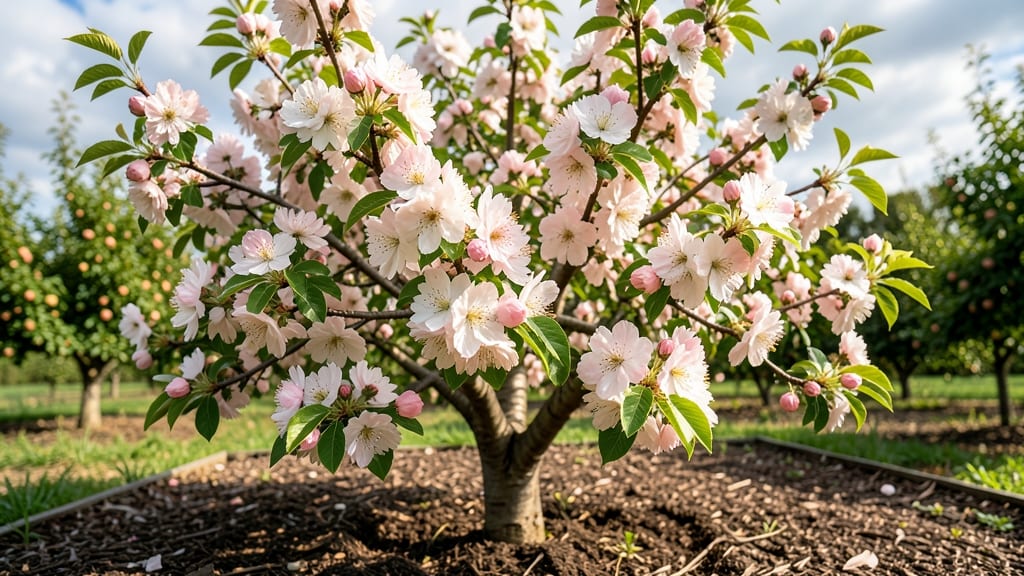
Peach tree blossom time arrives like a whisper of summer—pale pink clouds that perfume the air and promise juicy fruit to come. 🌸 I’ve watched my tree burst into bloom for years, and each season reminds me why this fleeting window matters so much: it’s the tree’s one shot at setting fruit for harvest.
The timing varies wildly—from late March in warm zones to May in cooler climates—but that first cluster of blossoms signals the most critical 2-week period of the year.
The magic happens when temperatures hover between 40°F and 85°F during the day, with cool nights to slow petal drop. Too much heat or frost can ruin the blossoms before they even pollinate, so I’ve learned to keep a close eye on forecasts.
A simple frost cloth draped over branches can save the season if cold snaps threaten, and a gentle shake of the tree helps pollen spread when bees are scarce. Even a light rain boosts pollination, turning each blossom into a potential peach.
What you’ll notice next is the dramatic shift from bloom to fruit set—tiny green peaches forming where petals once floated. This is when the real work begins: thinning excess fruit to ensure size, protecting against pests like stink bugs, and preparing for the long haul to harvest.
The tree’s heavy canopy of blossoms might look overwhelming, but it’s nature’s way of hedging its bets against failure. A successful bloom time means a bountiful summer ahead.
Regional differences matter here: Southern peach varieties bloom earliest, while Northern trees wait until late spring. Even within a single yard, microclimates can shift bloom times by days. The key is observing your tree’s rhythm—marking the first bloom date each year helps you predict frost risks and adjust care.
Once you understand this delicate dance, you’ll see how every petal fallen or saved directly impacts your harvest.
📚 In This Guide
- What you need
- Instructions
- Tips and common mistakes
- Wrapping up and next steps
What you need
- ● Peach tree (or access to a blooming one): Young saplings (3–5 years old) for planting
- ● Mature trees (10+ years) for optimal blossoms
- ● Variety tip: Choose early-blooming cultivars like Elberta or Redhaven for peak spring color.
- ● Gardening tools: Trowel (for planting/saplings)
- ● Pruning shears (sterilized, sharp)
- ● Garden gloves (nitrile-coated for durability)
- ● Measuring tape (10–25 ft for spacing)
- ● Soil & amendments: Well-draining soil mix (60% native soil, 30% compost, 10% perlite)
- ● Slow-release fertilizer (10-10-10 NPK ratio, 1 lb per tree)
- ● Mulch (3–4 inches of wood chips or straw)
- ● Watering supplies: Garden hose with adjustable nozzle
- ○ Drip irrigation kit (optional but ideal for young trees)
- ● Photography gear: DSLR/mirrorless camera with macro lens (50mm or 100mm)
- ● Tripod (for low-light shots)
- ● Reflector (5-in-1, 24" diameter)
- ● Decor & ambiance: Fairy lights or lanterns (for evening shoots)
- ● Blankets or cushions (for picnics under the tree)
- ● Peach blossom-scented candles (for indoor vibes)
- ● Safety & comfort: Sturdy ladder (if pruning tall branches)
- ● Bug spray (for outdoor sessions)
- ● Sun hat + sunscreen (SPF 30+)
- ● 🌡️ Timing is everything: Plant bare-root trees in late winter/early spring (before buds swell) or container-grown trees in fall.
- ● ✨ Pollination boost: Attract bees with nearby wildflowers (e.g., lavender, clover) to ensure fruit later!
- ● 🎯 Prune smart: Remove dead wood in late winter (before blossoms appear) to encourage healthy growth.
How to prepare your peach tree for stunning blossom time
Spring’s sweetest show begins with the right care—here’s how to coax your peach tree into full, fragrant bloom.
🌱 Step 1: Prune for Airflow and Light
Start pruning in late winter (just before buds swell) to remove dead, crossing, or inward-growing branches. I always cut at a 45-degree angle just above an outward-facing bud—this encourages strong new growth and prevents disease from settling in open wounds. Aim to open the tree’s center so sunlight reaches all branches evenly.
Watch for branches thicker than your thumb—these need thinning to reduce weight stress. You’ll see buds plump up along the remaining branches within 2-3 weeks, signaling the tree’s energy is shifting toward blossoms. Prune on a dry day to let cuts heal faster and avoid spreading fungal spores.
☀️ Step 2: Apply Fertilizer for Blooming Strength
Spread balanced 10-10-10 fertilizer (using the amount recommended for your tree’s age) around the drip line—that’s the outer edge of the tree’s canopy. Gently scratch it into the top 2-3 inches of soil to avoid burning roots. Peach trees need phosphorus for strong blooms, so I add a bonemeal top-dressing (about ½ cup per year of tree age) at the same time.
Water deeply after fertilizing to help nutrients dissolve and reach the roots. You’ll know it’s working when new pinkish buds appear along branches by early March. Avoid over-fertilizing—too much nitrogen now delays blooming and encourages leafy growth instead of flowers.
💧 Step 3: Water Deeply as Buds Swell
Increase watering as buds begin to plump and turn pink (usually 4-6 weeks before bloom). Water deeply once a week—about 15-20 gallons for a mature tree—soaking the soil to 18 inches deep. Check moisture by pushing a screwdriver into the soil; if it resists at 6 inches, water again.
Morning watering is best—it gives leaves time to dry before evening, reducing fungal risks. You’ll notice buds bursting open within 7-10 days of consistent moisture. Avoid wetting blossoms directly; use a soaker hose or drip irrigation to keep petals dry and disease-free.
✂️ Step 4: Thin Blossoms for Larger Fruit
Once 50% of blossoms have opened (usually 2-3 weeks after full bloom), thin clusters to 1 bloom per 6-8 inches of branch. I use clean pruners to snip entire clusters at the base—this prevents energy drain from too many developing fruits. Focus on keeping well-spaced blossoms along the outer branches where sunlight reaches.
Thinning now ensures the remaining fruit gets full sunlight and nutrients. You’ll see pollen tubes (tiny white threads) on remaining blossoms—these confirm successful pollination. Avoid thinning on windy days or when bees are active; they rely on these blossoms for nectar.
🌿 Step 5: Protect Blooms from Late Frosts
Cover the tree with frost cloth on nights when temperatures drop below 28°F after buds open. Secure the cloth loosely over the branches—tight fabric can break them. I also water the soil deeply the day before a frost; moist ground holds heat longer and protects roots.
Check for frost damage the next morning by gently touching blossoms. If they feel mushy or blackened, remove them immediately to redirect the tree’s energy. Healthy blossoms will open fully by mid-April in most climates, filling your yard with fragrance for 1-2 weeks. Save damaged blossoms for compost—they’ll break down quickly.
Tips & tricks for perfect peach tree blossom time
Here's what nobody tells you about making your peach tree's springtime display truly spectacular.
Pruning Precision: When you're pruning in Step 1, look for branches that grow toward the center of the tree—these are the ones causing shade and limiting airflow. I always make my cuts just above an outward-facing bud, which gives you that perfect 45-degree angle. This isn't just about aesthetics; it's about creating a framework where sunlight can reach every blossom, ensuring even blooming throughout the entire tree. The buds will start plumping up within those 2-3 weeks, and that's your first sign everything's working!
Fertilizer Timing: In Step 2, that early March target for pinkish buds is your cue that the fertilizer is working. But here's the thing: don't rush it. The balanced 10-10-10 formula needs time to dissolve and reach the roots. I've seen people overdo it with nitrogen-rich fertilizers, which actually delays blooming. Stick to the phosphorus-focused approach with bonemeal, and you'll see those buds appear right on schedule. The key is patience—those nutrients need 4-6 weeks to show visible results.
Watering Wisdom: That deep watering in Step 3 is crucial, but timing matters just as much as quantity. I've learned this the hard way—watering in the evening can leave moisture on the leaves overnight, creating perfect conditions for fungal diseases. Morning watering gives everything time to dry, while still providing that consistent moisture the roots need. And when you're checking soil moisture with that screwdriver test, remember: if it resists at 6 inches, that's your signal to water again. The goal is to keep that soil moist down to 18 inches deep.
Frost Protection Strategy: When you're covering with frost cloth in Step 5, think about how you secure it. Tight fabric can actually damage branches as they swell with morning warmth. I use soft twine or clothespins to loosely drape the cloth, allowing room for expansion. And that deep watering the day before? It's not just about the roots—moist soil actually holds heat better than dry soil, giving your blossoms an extra degree of protection during those critical cold snaps.
Pro Tips for Peach Tree Blossom Time
- Here's what nobody tells you about making your peach tree's springtime display truly spectacular.
- Pruning Precision: When you're pruning in Step 1, look for branches that grow toward the center of the tree—these are...
- Fertilizer Timing: In Step 2, that early March target for pinkish buds is your cue that the fertilizer is working. Bu...
Frequently asked questions
Got questions about peach tree blossom time? You’re not alone! Here are some of the most common queries—plus quick, practical answers to help you make the most of this magical season.
When is the best time to plant a peach tree for optimal blossoms?
Plant your peach tree in early spring (before buds swell) or late fall (6–8 weeks before frost). This gives roots time to establish before winter or summer heat stress. Choose a location with full sun (6+ hours/day) and well-draining soil for vibrant blooms next spring!
How long do peach tree blossoms last, and why do mine fade so fast?
Peach blossoms typically bloom for 7–14 days, but factors like temperature swings, pests, or poor pollination can shorten their lifespan. To extend their beauty:
- Plant two compatible varieties (e.g., ‘Redhaven’ + ‘Elberta’) for cross-pollination.
- Avoid late frosts (below 25°F) that damage buds.
- Use neem oil to deter aphids or mites.
Can peach trees bloom without producing fruit? What’s wrong?
Yes! Trees may bloom without fruit due to:
- Lack of pollinators (bees/bats). Try hand-pollinating with a paintbrush.
- Improper pruning (over-trimming reduces flower buds). Prune in late winter.
- Young age (trees under 3–5 years may bloom but not fruit). Be patient!
- Environmental stress (drought, poor soil). Mulch and water deeply.
Are peach blossoms edible? Can I use them in recipes?
While not as sweet as fruit, peach blossoms add a delicate floral aroma to:
Caution: Harvest blossoms early morning from pesticide-free trees. Avoid if allergic to roses! Create a pollinator-friendly garden with these companions:
Pro tip: Avoid planting walnut trees nearby—their roots release juglone, which stunts peach growth.
What can I plant near peach trees to attract pollinators and boost blossoms?
Plant
Benefit
Lavender
Attracts bees; repels pests like aphids.
Dill or Fennel
Lures beneficial wasps that control fruit flies.
Clover or Cilantro
Provides early-season nectar for bees.
Marigolds
Deters nematodes in soil.
Wrapping up and next steps
Peach tree blossom time is a fleeting yet magical moment that transforms gardens into dreamy, fragrant landscapes.
Whether you’re admiring their beauty, planning your own orchard, or simply soaking in nature’s splendor, this season reminds us of the joy in patience—waiting for those delicate petals to give way to juicy, sweet rewards. 🌸
Now that you’re armed with tips and answers to common questions, why not take the next step? Plant a peach tree sapling, sketch the blossoms, or even bake a peach-themed treat to celebrate the season. Every little action brings you closer to your own slice of springtime magic!