
How To
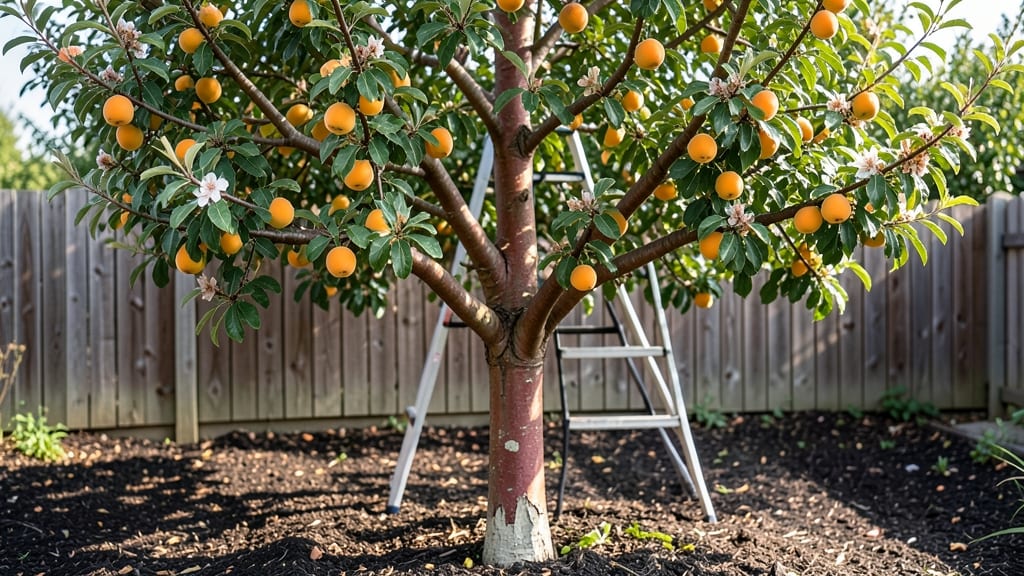
An apricot tree can grow anywhere from 10 feet to towering 30 feet tall, depending on the variety and growing conditions — and yes, even the smallest ones produce sweet, juicy fruit.
If you love apricots but lack backyard space, you might be surprised to learn that some apricot trees stay small enough for containers or tight urban gardens—without sacrificing fruit quality.
The key is choosing the right variety: dwarf types like 'Gold Bar' max out at 10-15 feet, while standard trees reach their full 20-30 foot height. Below, I’ll break down how to pick the perfect size for your space, plus pruning tips to keep even full-size trees manageable.
Whether you’re dreaming of a patio-sized tree or need to fit one into a small yard, this guide covers everything you need to know about apricot tree height and space-saving strategies.


Average apricot tree height by variety: from dwarf to standard
Choosing the right apricot tree variety can make all the difference when space is limited. Standard apricot trees can reach 20 to 30 feet tall, towering over most backyards, but dwarf and semi-dwarf varieties offer compact options without sacrificing fruit production.
The key is understanding each variety's growth habit and space requirements to ensure optimal fruit quality and tree health.
Whether you're working with a small urban patio or a spacious orchard, selecting the right size apricot tree ensures you get delicious fruit while keeping your garden manageable. Dwarf varieties typically stay under 10 feet, while semi-dwarfs reach 15 to 20 feet.
Standard trees, on the other hand, demand significant space but produce larger yields for those with room to spare.
Apricot tree height isn't just about aesthetics—it directly impacts fruit production, ease of harvest, and long-term care. Taller trees require more pruning and may need staking, while dwarf varieties thrive in containers or tight spaces. Let’s explore the most popular varieties and their mature heights to help you choose the perfect fit for your garden.
Dwarf apricot trees, like the 'Gold Bar' variety, are perfect for container growing or small urban gardens. These trees typically mature between 8 and 12 feet tall, making them ideal for patios or balconies.
Their compact size also means they produce fruit earlier—often within 2 to 3 years—compared to standard varieties, which can take 5 to 7 years to bear fruit.
If you have a bit more space, semi-dwarf varieties like 'Tilton' or 'Moongold' strike a balance. These trees grow to 15 to 20 feet tall and are well-suited for backyards or larger containers.
They offer a good compromise between manageable size and higher fruit yields, making them a favorite among home gardeners with moderate space.
For those with ample room, standard apricot trees like 'Blenheim' or 'Perfection' can reach 20 to 30 feet, producing larger quantities of fruit. However, these trees require significant space—30+ square feet—and may need regular pruning to maintain health and fruit quality.
If you're planting a standard tree, consider its final height and spread when choosing a location.
Another factor to consider is the growth habit of the variety. Some apricot trees grow upright, while others have a more spreading or weeping form. For example, the 'Patio' variety is known for its bushy, compact growth, making it ideal for small spaces.
Meanwhile, standard varieties often have a more traditional vase shape, requiring careful pruning to keep them manageable.
When planning your apricot tree’s location, remember that these trees need full sun exposure—at least 6 to 8 hours daily—to thrive. Poor sunlight can stunt growth and reduce fruit production, regardless of the variety.
Additionally, ensure your soil is well-draining, as apricot trees are sensitive to waterlogged roots, which can lead to root rot.
For container growing, choose a dwarf variety and select a pot that’s at least 18 inches in diameter with drainage holes. Use a high-quality potting mix and repot every 2 to 3 years to refresh the soil.
Container-grown apricot trees may need more frequent watering, especially during hot, dry periods, as pots dry out faster than in-ground plantings.
No matter which variety you choose, regular pruning is essential to control height, improve air circulation, and encourage fruit production. Prune in late winter or early spring before new growth begins, removing any dead, diseased, or crossing branches.
This not only keeps your tree manageable but also promotes healthier fruit development.
If you're unsure which apricot tree to plant, start with a dwarf or semi-dwarf variety to test the waters. These trees offer the flexibility to grow in containers or small gardens while still delivering a bountiful harvest.
Once you’ve gained experience, you can always expand to a standard tree if space allows.
Best space-saving apricot tree varieties for small gardens
If you're dreaming of homegrown apricots but have limited space, don't worry—there are compact apricot varieties perfect for small gardens, containers, and urban patios. These dwarf and semi-dwarf trees produce sweet, flavorful fruit while staying under 12 feet tall, making them ideal for balconies, courtyards, or even large pots.
I've grown several of these varieties myself, and the key is choosing the right one for your climate and space. 'Tilton' and 'Gold Bar' are my top picks for their reliability and manageable size, while 'Patio' is a true dwarf that thrives in containers.
Let's explore the best options to fit your tiny garden perfectly.
🌱 How Tall Do Apricot Trees Grow?
💡 Pro Tip: Dwarf varieties like 'Patio' stay under 6 feet and thrive in 15-gallon containers—ideal for patios and small yards.
For urban gardeners, 'Tilton' is a standout choice, reaching 10-12 feet at maturity. It's cold-hardy down to Zone 5 and produces large, golden-yellow apricots perfect for fresh eating or jams.
I planted mine in a large raised bed with well-draining soil, and it's thrived for three years with minimal pruning.
If container growing is your goal, 'Gold Bar' is another excellent option. This semi-dwarf variety tops out at 12 feet but can be kept smaller with regular pruning. It's also self-pollinating, meaning you only need one tree for a fruit harvest.
Just ensure your container has drainage holes and is at least 24 inches wide.
For the smallest option, 'Patio' apricot trees are bred specifically for containers and tight spaces. These true dwarfs stay under 6 feet tall and produce abundant fruit despite their size. They're perfect for balconies or small courtyards and can even be grown indoors near a south-facing window during winter.
When selecting a variety, consider your USDA hardiness zone and sunlight exposure. Most compact apricot trees need at least 6 hours of full sun daily and well-draining soil to prevent root rot.
In my Zone 7 garden, I've found that mounding soil around the base helps retain moisture while keeping roots cool during summer.
With the right variety and care, you can enjoy homegrown apricots even in the smallest spaces. Start with a dwarf or semi-dwarf tree, choose a sunny spot, and give it regular water and pruning—you'll be harvesting sweet fruit in just a few years. Happy gardening! 🌳