
Pruning
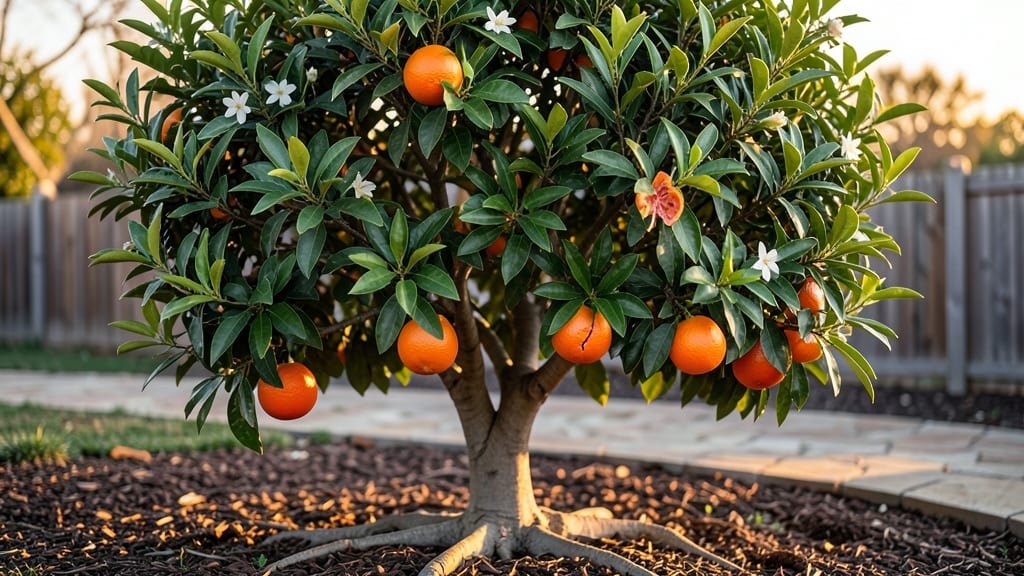
A Cara Cara orange tree size can reach 15 to 25 feet tall at maturity 🍊, making it a statement plant in any garden—but that doesn’t mean it’ll dominate your space if you plan ahead.
If you're dreaming of growing your own Cara Cara orange tree but wondering how much space it’ll need, the right size matters—especially if you’re balancing it with other plants or limited garden space.
A standard variety will stretch skyward, while dwarf or semi-dwarf options keep it manageable for patios or small yards.
Beyond height, spread is key: these trees need 10 to 20 feet of clearance to thrive, so spacing is critical for airflow and sunlight. Pruning and container growing can shrink their footprint, but even then, they’re not small—think "small tree," not shrub.
Here’s what you need to know about managing size, from variety choices to pruning tips, so your tree fits your space without sacrificing fruit—or your sanity.


How tall does a mature Cara Cara orange tree grow?
If you're planning to grow a Cara Cara orange tree, understanding its mature size is key to creating the perfect space for it to thrive. These vibrant, blood-orange varieties are stunning additions to any garden, but their size can vary dramatically depending on the variety you choose.
Whether you're dreaming of a backyard orchard or a container-grown tree for your patio, knowing the height and spread will help you plan accordingly.
The standard Cara Cara orange tree typically reaches heights of 20-25 feet at maturity, with a spread of 15-20 feet. This makes it a medium-sized tree that can dominate a landscape if not managed properly.
If you're working with limited space, you might want to consider dwarf or semi-dwarf varieties, which are specifically bred to stay smaller while still producing delicious fruit.
🌱 Here’s a quick breakdown of what to expect:
| Variety | Mature Height | Mature Spread | Growth Rate | Ideal For |
|---|---|---|---|---|
| Standard | 20-25 ft | 15-20 ft | Moderate (1-2 ft/year) | Large gardens, orchards |
| Semi-Dwarf | 10-15 ft | 8-12 ft | Moderate (1 ft/year) | Medium yards, patios |
| Dwarf | 6-10 ft | 5-8 ft | Slow (6-12 in/year) | Containers, balconies, small spaces |
A standard Cara Cara orange tree will take about 3-5 years to reach its full height, depending on growing conditions like sunlight, soil quality, and water availability. These trees grow at a moderate pace, adding about 1-2 feet per year once established.
If you're planting in USDA Zone 9b or warmer, you’ll likely see faster growth due to ideal citrus-growing conditions.
For those with smaller spaces, a semi-dwarf Cara Cara is an excellent compromise. These trees typically reach 10-15 feet tall and 8-12 feet wide, making them perfect for medium-sized yards or even large patios.
They still produce abundant fruit but require less space than their standard counterparts. Semi-dwarfs grow at a slightly slower rate, adding about 1 foot per year, which gives you more control over their final size.
If you're considering container growing, a dwarf Cara Cara orange tree is your best bet. These varieties stay between 6-10 feet tall and 5-8 feet wide, making them ideal for balconies, rooftops, or even large windowsills.
Dwarf trees grow even slower, at about 6-12 inches per year, which allows you to manage their size more easily through pruning and repotting as needed.
One important factor affecting a Cara Cara orange tree’s size is its rootstock. Many dwarf varieties are grafted onto dwarfing rootstock, such as Swingle citrumelo or Carrizo citrange, which naturally restricts the tree’s growth.
Standard trees, on the other hand, are often grafted onto seedling rootstock, allowing them to grow much larger. Choosing the right rootstock can make a big difference in how much space your tree will occupy.
Another consideration is how you prune your Cara Cara orange tree. Regular pruning can help control its size, improve airflow, and encourage healthier fruit production.
For standard trees, you might prune to remove dead or overcrowded branches, while dwarf trees benefit from more frequent shaping pruning to keep them compact. Always use sterilized pruning shears and prune during the dormant season (late winter or early spring) to minimize stress on the tree.
If you're planting multiple Cara Cara orange trees, keep in mind that they’ll need adequate spacing for proper airflow and sunlight. Standard trees should be planted at least 20-25 feet apart, while semi-dwarfs can be spaced 10-15 feet apart.
Dwarf trees can be planted closer together, around 6-10 feet apart, but ensure they still receive plenty of sunlight. Proper spacing helps prevent disease and ensures each tree gets the nutrients it needs to thrive.
No matter which variety you choose, remember that patience is key when growing a Cara Cara orange tree. It can take 2-3 years for a young tree to start producing fruit, and reaching full maturity may take even longer.
However, once established, these trees can live for decades, providing you with a steady harvest of sweet, juicy oranges for years to come. With the right variety and care, you’ll have a beautiful and productive addition to your garden or patio.
Optimal spacing requirements for Cara Cara orange trees
When planning your Cara Cara orange tree placement, proper spacing requirements are crucial for healthy growth and fruit production. These trees need room to breathe—literally—for airflow circulation and sunlight exposure, which directly impacts their size and yield.
In-ground planting vs. container growing also changes the spacing rules, so let’s break it down for your garden setup.
Standard Cara Cara orange trees reach 15-25 feet tall at maturity, with a spread of 10-15 feet. This means they’re not just tall—they’re wide too, requiring significant space for their roots to expand without competing with neighbors.
If you’re planting multiple trees, spacing them too closely can lead to fungal diseases, poor fruit quality, and stunted growth due to root competition.
For in-ground planting, standard Cara Cara orange trees need 15-20 feet between each tree to ensure adequate air circulation and root development. This spacing prevents overcrowding, which can lead to blossom drop or fruit rot.
If you’re working with a semi-dwarf variety, you can reduce the spacing to 10-12 feet, making them a great fit for smaller orchards or mixed gardens.
If you’re growing your tree in a container, the rules change slightly. While the tree itself won’t spread as much, it still needs 3-5 feet of clearance from walls or other structures to avoid root binding and ensure proper airflow.
Containers should be at least 20 gallons in size to accommodate root growth, and you’ll need to water more frequently since potted trees dry out faster.
Another key factor is sunlight exposure. These trees thrive in full sun (6+ hours daily), so avoid planting them under the shade of taller trees or structures.
If you’re in a hot climate, like USDA Zone 9b, providing afternoon shade can prevent leaf scorch while still ensuring they get morning sun for energy production.
Finally, consider your long-term garden layout. If you’re planting multiple trees, think about their mature size and how they’ll interact with other plants. For example, pairing them with companion plants like rosemary or thyme (which tolerate dry conditions) can maximize your space while keeping the citrus healthy and productive.